
Introduction to Snowflake Bentley
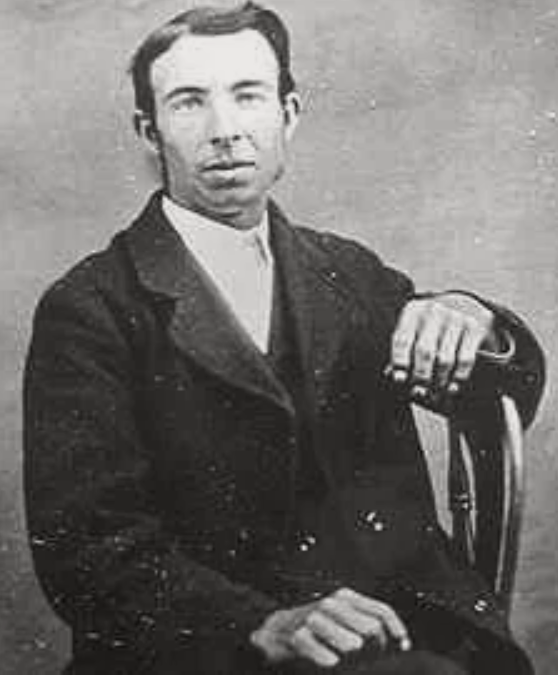
Snowflake Bentley was the nickname of Wilson Bentley, a farmer-scientist from Vermont who loved snowflakes. He spent his life studying snow and became the first person to take close-up photographs of individual snowflakes. With a special camera and microscope, he captured thousands of snowflake pictures and discovered that each snowflake has a unique pattern – no two snowflakes are exactly alike. His work helped the world appreciate snow as “tiny miracles of beauty,” turning winter’s frost into an exciting science discovery for kids and adults alike. Bentley’s dedication to photographing snowflakes is why we remember him today as Snowflake Bentley, a pioneer in science and photography who showed that even the smallest snow crystal can be amazing.
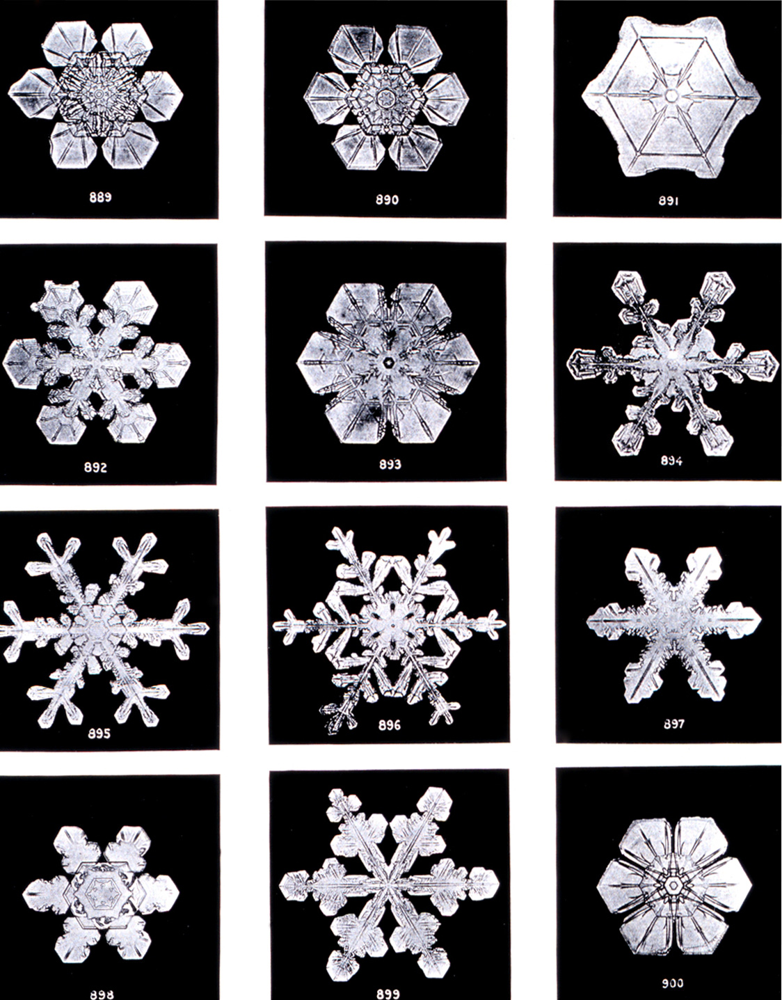
A selection of real snowflake photographs taken by Wilson “Snowflake” Bentley in the early 1900s. His images revealed the intricate six-sided designs of snow crystals and supported the idea that no two snowflakes are alike. Bentley’s photos, like those above, helped people see snowflakes as unique works of natural art.
About the Snowflake Bentley Book
One of the best ways for kids to learn about Wilson Bentley is through the picture book Snowflake Bentley by Jacqueline Briggs Martin.
This Caldecott Medal–winning book tells the true story of Bentley’s life in simple, engaging language. The book celebrates how Bentley revealed the hidden beauty of snowflakes – perfect for winter science or biography units. It’s available to read on Epic, a popular kids’ digital library. The story is rated at Lexile AD830L, suitable for approximately Grades 1–3 (ages 6–8).
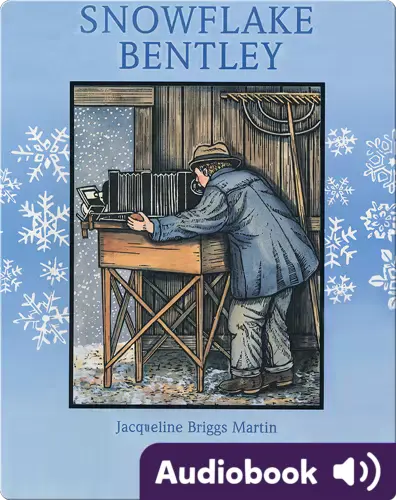
Teachers and parents love using this book for winter because it blends science and history in a kid-friendly way. Snowflake Bentley also makes a wonderful read-aloud – the narrative has a poetic flow and the detailed illustrations captivate young audiences. Children will enjoy hearing about how a curious boy grew up to photograph snow, and the book’s factual sidebars give extra info for curious minds. Whether it’s a snowy day or a classroom science lesson, the Snowflake Bentley book is an excellent choice to spark conversations about curiosity, perseverance, and the wonders of winter.
Watch the Snowflake Bentley Video
In addition to the book, kids can also watch the Snowflake Bentley story as an animated video on Epic or Youtube. This short video (narrated by actor Sean Astin) brings the book’s illustrations to life on the screen.
The Snowflake Bentley video is a “loving homage” to Bentley, showcasing how he viewed snowflakes as “mini-miracles” and highlighting his determination to capture their wonder. This format is fantastic for visual learners – children can see the snowflakes and winter scenes while listening to the story, which can improve understanding and keep them engaged. The video’s Lexile is 830L (similar to the book) and it’s great for ages 5–7, making it suitable for the early elementary audience.
More Winter Science Books for Kids
Animals in Winter
By Jenna Lee Gleisner
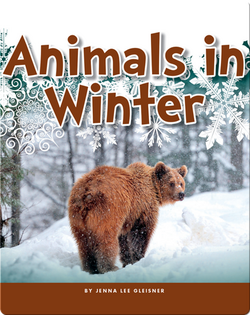
A colorful nonfiction book that explores how different animals survive the winter.
It introduces hibernation, migration, and other winter animal adaptations in simple language. Young readers learn, for example, how bears hibernate and birds fly south. The book also includes a kid-friendly winter project and glossary, making it great for classroom use. (Lexile ~340L, Ages 5–7)
Perfect for teaching about hibernation and winter animal science.
Over and Under the Snow
By Kate Messner
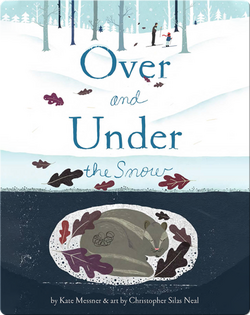
A beautifully illustrated picture book that reads like a story but is packed with science. As a father and child ski through the quiet woods, the book reveals a “secret kingdom” of animals living under the snow to stay safe and warm.
Kids will discover how frogs, squirrels, bears, and other creatures cope with winter beneath the snow’s surface. The text is gentle and poetic, making it a wonderful winter read-aloud, and it sneaks in facts about animal behavior. (Lexile AD600L, Grades 1–3).
A magical blend of literature and science that highlights animals in a winter habitat.
Studying Snowflakes
By Joseph Otterman
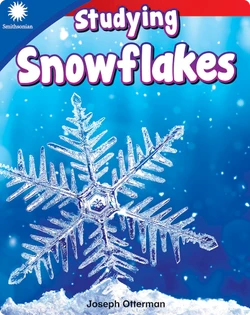
A STEAM book all about how snowflakes form, perfect for curious young scientists. It explains in an easy way how cold water droplets turn into ice crystals in the clouds, creating snowflakes with sixfold symmetry.
The book is “perfect for 1st grade students” and early readers, with fun facts and even simple science activities. Children will learn why each snowflake has a unique pattern and see real examples of crystal shapes. (Lexile ~500L, Ages 5–7)
Ideal for a winter science center or an extension after learning about Bentley. Kids can connect this to Bentley’s snowflake photos, understanding the science behind those “mini-miracles.”
What Happens In Winter? Weather In Winter
By Jennifer F. VanVoorst
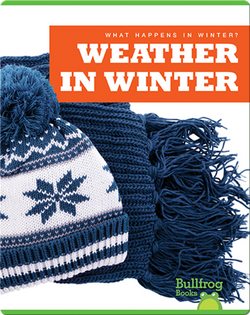
A beginner reader book that looks at winter weather and how it affects the world.
With very simple text and big photos, it shows what cold temperatures bring: ponds freeze, days are shorter, we see snow and ice, and people bundle up! Early readers also learn how winter weather impacts animals and plants.
This book is great for Kindergarten and Grade 1, as it has a low reading level (Lexile ~70L) and an AR level of 1.0.
It’s perfect for discussing the seasons – you can ask kids, “What changes do you notice in winter?” as they read along. A handy introduction to weather science in the wintertime.
How Do We Know It Is Winter?
By Molly Aloian
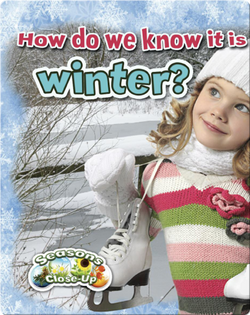
A slightly more advanced book (for grades 2–3) that explores all the signs of winter. It covers winter weather, how plants and animals change, and even how winter affects our daily lives. Children will read about bare trees, snow on the ground, animals growing thicker fur, and things like holiday time – all evidence that it’s winter. The book provides a nice mix of science facts and real-world examples, helping kids understand the winter season as a whole. (Lexile NC540L, Ages 8–10.
If you’re covering the four seasons in class, this book offers great factual content and discussion points. It encourages young scientists to observe and describe seasonal changes.
How to Use Snowflake Bentley as a Read-Aloud (Classroom & Home)
Snowflake Bentley is an excellent read-aloud book for early elementary students, especially in Grades 1–3. The language is accessible, the story is short enough to hold young attention spans, and the illustrations naturally invite discussion. Many teachers use it during winter science units, while parents often choose it for cozy seasonal reading at home.
As a read-aloud, the book works well because it combines storytelling and nonfiction. Children follow Wilson Bentley’s curiosity while also learning real scientific facts about snowflakes. During a read-aloud session, adults can pause to ask simple questions such as: Why do you think Bentley was so curious about snow? or What do you notice about the snowflakes in the pictures? These moments help build listening comprehension and critical thinking skills.
For families, Snowflake Bentley is also a great bedtime or shared reading choice. Its calm pacing and winter theme make it especially appealing on cold days, and it naturally sparks conversations about nature and science without feeling like a lesson.
Simple Winter Science Activities Inspired by Snowflake Bentley
After reading Snowflake Bentley, many parents and teachers look for easy winter science activities to extend learning. The good news is that you don’t need complicated materials to build on the book’s ideas.
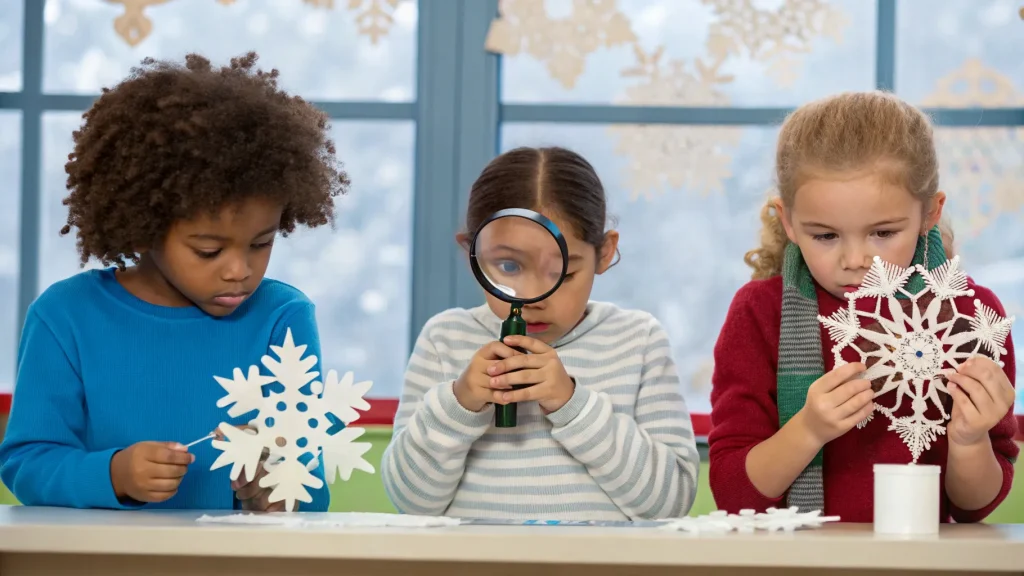
One simple activity is a “No Two Snowflakes Are Alike” art project. Children can cut paper snowflakes and compare their shapes, reinforcing Bentley’s discovery in a hands-on way. Another idea is a snowflake observation activity, where kids examine photos of real snowflakes or look closely at frost patterns on windows, then describe what they see using words or drawings.
For classrooms, teachers often pair the book with a short science writing prompt, such as: What makes snowflakes special? or Why did Bentley keep studying snow even when others didn’t understand him? These activities connect science, literacy, and creativity, making the book useful across subjects.
What Kids Can Learn from Snowflake Bentley (Beyond Science)
Beyond winter science, Snowflake Bentley offers meaningful character and social-emotional learning (SEL) themes. Wilson Bentley’s story shows children the value of curiosity, patience, and perseverance. He continued studying snowflakes even when others didn’t see their importance, a message that resonates with young learners.
Teachers often use the book to discuss what it means to follow your interests and not give up when something is difficult. Parents can also connect the story to everyday life by asking children about things they are curious about or enjoy learning, reinforcing the idea that passions can grow into something meaningful.
Why Snowflake Bentley Works So Well for Winter Learning
Snowflake Bentley remains a favorite in American classrooms and homes because it fits naturally into winter-themed learning. It supports science standards, encourages observation skills, and works beautifully as a read-aloud. With both the book and video available on Epic, families and educators have flexible options for reading, watching, and learning together.
If your child or students enjoy this story, it’s a great starting point for exploring more winter science books for kids, hands-on activities, and seasonal discussions that make learning feel timely and engaging.
FAQ:
What is Snowflake Bentley about?
Snowflake Bentley is a nonfiction picture book about Snowflake Bentley, a man who devoted his life to photographing snowflakes. The book explains how he discovered that no two snowflakes are alike and shows children how curiosity and persistence can lead to scientific discovery.
What reading level is Snowflake Bentley?
The book has a Lexile level of AD830L, which means it is best suited for adult-directed reading. Most children in Grades 1–3 enjoy it as a read-aloud, while stronger readers in Grade 2 or 3 may be able to read it independently.
Where can I read Snowflake Bentley online?
Parents and teachers can read Snowflake Bentley online on Epic, a digital library for kids. Epic also offers an animated video version, making it easy to choose between reading, watching, or combining both.
What can kids learn from Snowflake Bentley?
Children learn basic winter science concepts, such as snowflake formation and observation, as well as important life skills like curiosity, patience, and perseverance. The book also supports listening comprehension, vocabulary development, and nonfiction reading skills.
What other winter science books pair well with Snowflake Bentley?
Many teachers and parents pair Snowflake Bentley with other winter science books for kids, especially titles about animals in winter, weather, snow, and seasonal changes. These books help reinforce winter themes and expand scientific understanding.