


Finding the right chapter books for a second grader can feel tricky—you want something engaging, age-appropriate, vocabulary-friendly, and exciting enough to keep them turning pages. Many children at this stage are transitioning from picture books to early chapter books, and the right story can boost reading confidence almost overnight. Chapter books also make a thoughtful gift for young readers, encouraging their love of books and learning.
In this guide, I’ve personally reviewed ten of the best chapter books for 2nd graders in 2025, all thoughtfully selected from the Chapter Books Level 2 Collection, including classic chapter books that have stood the test of time. These stories are funny, relatable, emotionally warm, and perfect for emerging independent readers. Whether your child loves mysteries, humor, real-life situations, or STEM adventures, you’ll find the ideal book here.
Let’s dive into the stories that kids genuinely enjoy—and parents trust. Some of these may even become your child’s favorite book. I hope these recommendations will inspire a love of reading and spark hope for a joyful reading journey ahead.
What Makes a Good Beginner Chapter Book for 2nd Graders?
When you’re choosing chapter books for 2nd graders, you’re not just picking “any longer book with chapters.” You’re helping kids cross an important bridge from early readers to more complex stories. That means the language, plot structure, illustrations, and page length all matter. Pictures are also crucial, as they support young readers by aiding engagement, comprehension, and motivation.
A great second-grade chapter book feels exciting and “older kid,” but still gives plenty of support through short chapters, clear fonts, and familiar vocabulary. It also respects their emotional world—no overly scary themes or mature content. In this section, we’ll break down the key elements that define a strong 2nd-grade chapter book so you can quickly spot good fits and avoid common pitfalls. The right chapter book not only entertains but also supports learning and development for 2nd graders.
Reading Level and Text Support
A great 2nd-grade chapter book lives in that perfect space between challenge and comfort. Many recommended lists for this age align with Lexile levels roughly 300L–650L or similar early-chapter labels.
The best titles include:
- manageable paragraph sizes
- larger, friendly fonts
- generous line spacing
- illustrations sprinkled throughout just often enough to help kids visualize scenes
These features reduce cognitive load, allowing kids to focus on the story rather than struggling through dense text.
Pro Tip:
Use the “1–2 tricky words per page” rule. If your child stumbles on only one or two words, the book is likely the right level.
Themes, Content, and Emotional Readiness
Second graders live in a world full of friendship shifts, school discoveries, family routines, and small adventures that feel big. Relationships with a mother, sister, brother, or daughter are also common themes in these stories, helping children connect with the characters. The most engaging chapter books mirror these experiences in relatable, not overwhelming, ways. Memorable events in these stories help children understand important lessons about family and friendship.
Stories with:
- light suspense
- mild humor
- warm emotional arcs
- familiar daily conflicts
…tend to hold their attention best. Diversity also matters—children feel more excited about reading when they see characters and families that reflect the world around them. Many stories feature girl characters and their adventures, which can be especially engaging for young readers.
Humor is an especially powerful hook. Many reluctant readers become enthusiastic readers once they discover a funny series that speaks their language. Stories about friendship, best friends, and the lessons they learn together are especially meaningful at this age.
Series vs Standalone Books
Series offer predictability—kids know what to expect, which helps them read more confidently and fluently. Once they love Book One, they often race through the rest. The first book in a series is crucial for hooking young readers, while the second book can inspire them to keep going and deepen their engagement with the story.
Standalone titles are perfect for exploring new genres and discovering different writing styles. A mix of both keeps reading fresh while offering reliable wins.
In this section, we explore ten carefully selected chapter books perfect for second graders who are beginning to read independently. These titles come from Epic’s Chapter Books Level 2 Collection, designed with short chapters, friendly vocabulary, and relatable themes that help young readers grow in confidence. Each mini-review is written from a first-person perspective to help you understand exactly why the book works—and which type of child will love it most. From mysteries to heartfelt school stories to silly adventures, these picks cover a range of interests and reading personalities. Let’s look at the stories that truly stand out in 2025.
1. Evan in the Middle by mercy watson
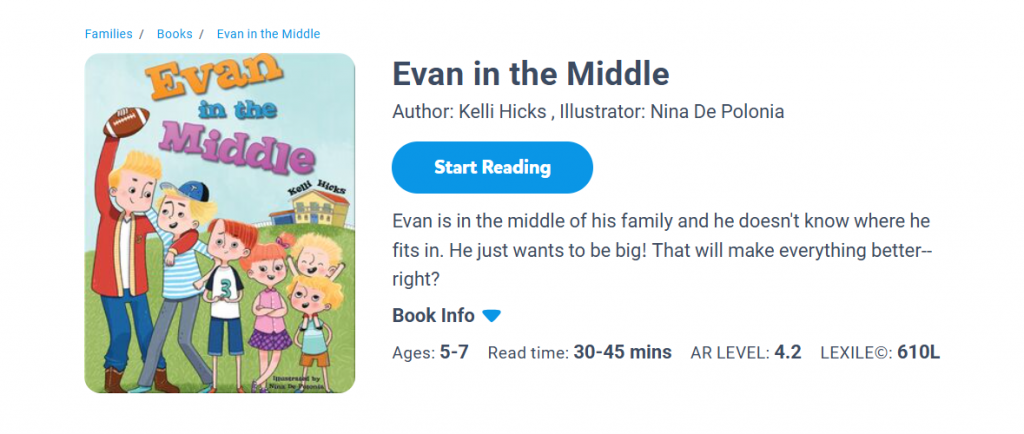
“Evan in the Middle” is one of those books that feels like a gentle hand on a young reader’s shoulder. I love how it captures the feeling of being caught between growing up and still needing reassurance. The chapters are intentionally short, making it perfect for kids who may still be intimidated by long stretches of text. Evan’s worries, tiny victories, and moments of courage feel incredibly familiar to second graders. This is the kind of book that quietly builds confidence, one warm chapter at a time.
Best for: Reluctant readers or kids transitioning from picture books
Why it works: Encouraging tone, gentle pacing, relatable themes
2. Charlie’s Big Break
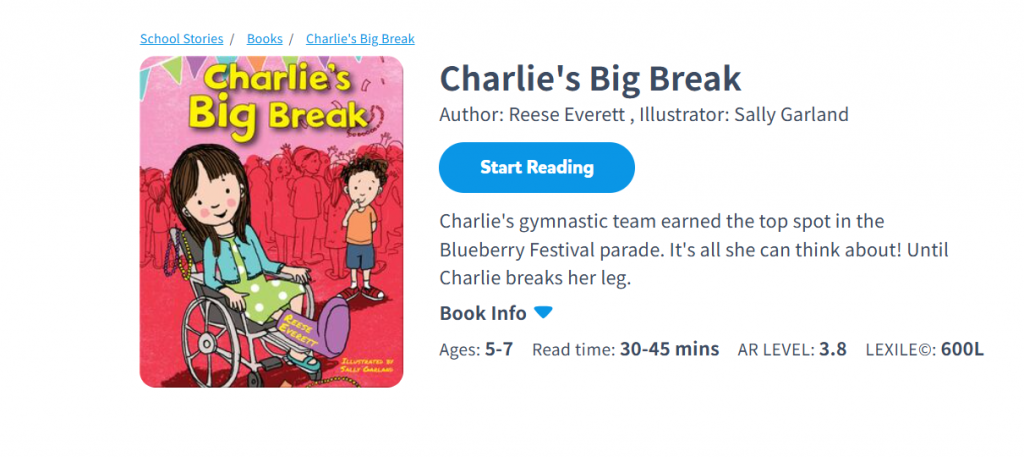
Charlie is instantly relatable. Every child knows what it feels like to want a moment to shine, and this book captures that feeling beautifully. I love how it balances humor with deeper emotions—disappointment, bravery, friendship. The writing respects the emotional intelligence of 7- and 8-year-olds without becoming heavy. This book often becomes a favorite among kids who enjoy real-world stories about school life.
Best for: Kids who enjoy realistic friendship or school-life stories
Why it works: Emotional authenticity, great pacing, age-perfect problems
3. Gumshoe Gang Cracks the Case
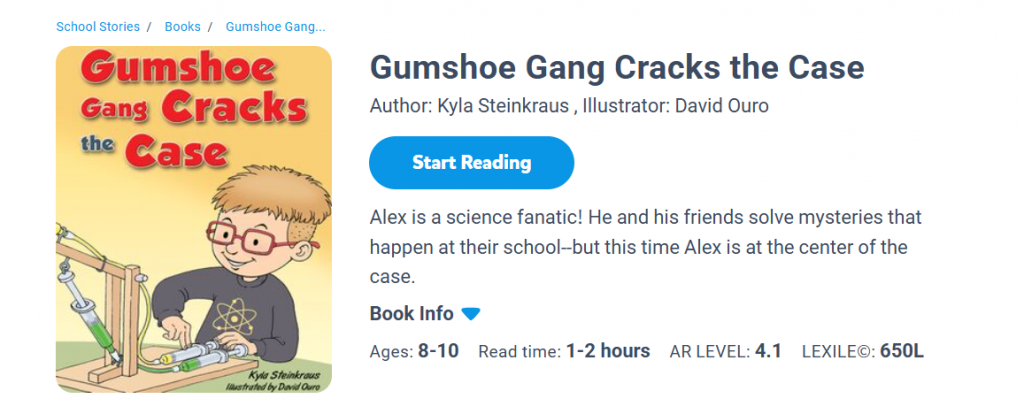
If your child loves solving things—clues, mysteries, riddles—this is such a fun pick. This is one of those early mysteries that kids devour. The Gumshoe Gang acts exactly the way second graders imagine real detectives would. The clues are fun, the pacing is lively, and the mystery feels exciting without ever becoming confusing or intimidating. I love how the story nudges kids to observe details and make predictions—it keeps them thinking while still having fun.
Best for: Curious and analytical readers
Why it works: Clear clues, strong momentum, fun teamwork dynamic
4. Curious Case of the Ransom Riddler
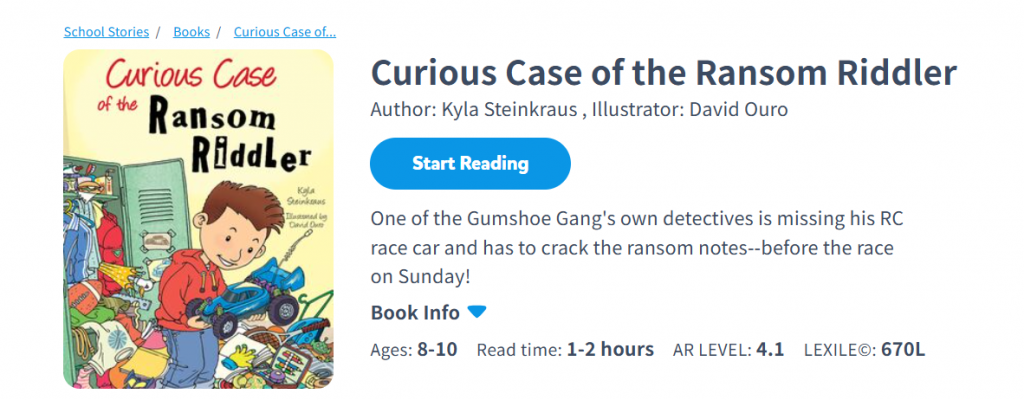
If your child loves puzzles or riddles, this book is a standout. I especially enjoy how the riddles pull the reader directly into the story, making them feel like part of the team. The suspense is gentle, never too intense for sensitive children, and each chapter ends with just enough intrigue to encourage “one more chapter.”
Best for: Kids who enjoy mental challenges
Why it works: Clever structure, interactive feel, gentle suspense
5. Birthday Gone Wrong
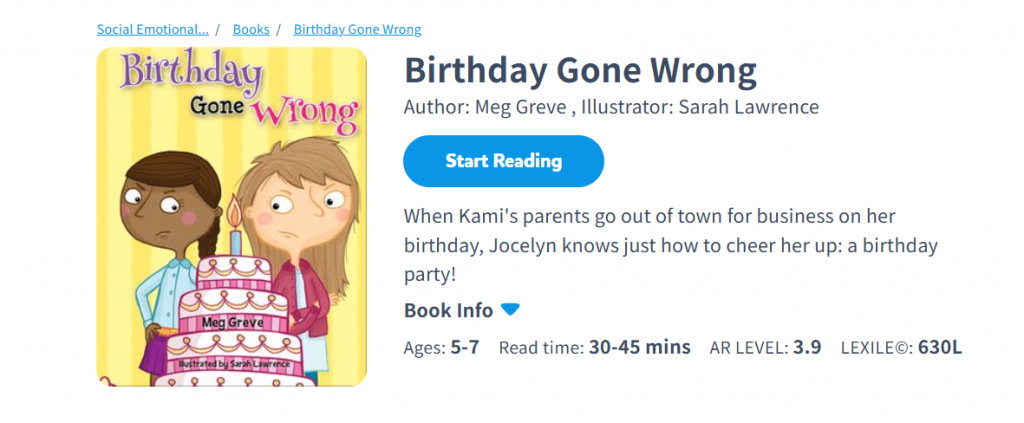
This story captures big feelings through a very relatable disaster: a birthday gone completely off track, including a gift that doesn’t go as planned. I appreciate the humor woven into the story because it balances out the emotional moments perfectly. Kids at this age often see minor mishaps as huge problems, so they connect deeply with this kind of story. By the end, the book leaves them with a sense of resilience and problem-solving.
Best for: Kids who enjoy realistic, emotion-driven stories
Why it works: Teaches resilience, relatable problems, gentle humor
6. Daisy Daisy
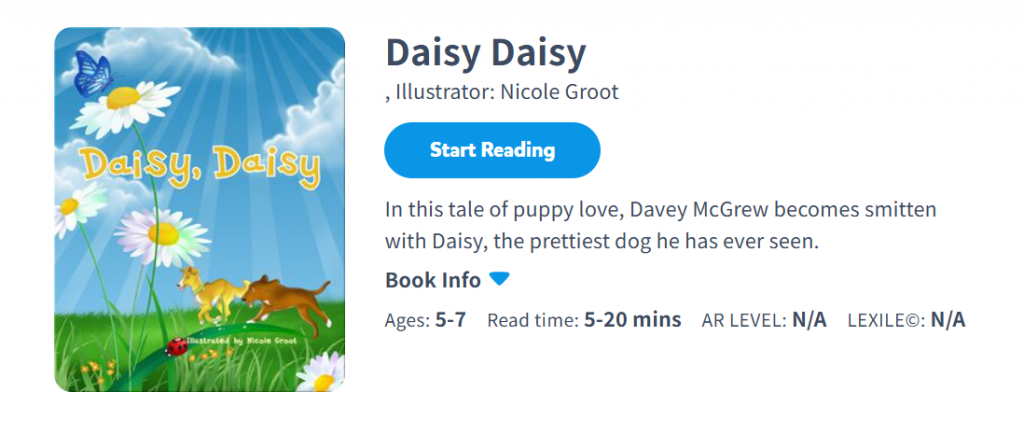
If your child prefers calm, tender stories, Daisy Daisy is a lovely match. It’s warm, comforting read—the kind of book sensitive children instantly fall in love with. The pacing is gentle, the tone is soft, and Daisy’s small emotional discoveries feel meaningful. I love recommending this book to children who prefer quiet stories over action-heavy adventures. It builds confidence in a very soothing way.
Best for: Sensitive or thoughtful kids
Why it works: Gentle tone, warm storytelling, confidence-building text
7. Ty’s Triple Trouble
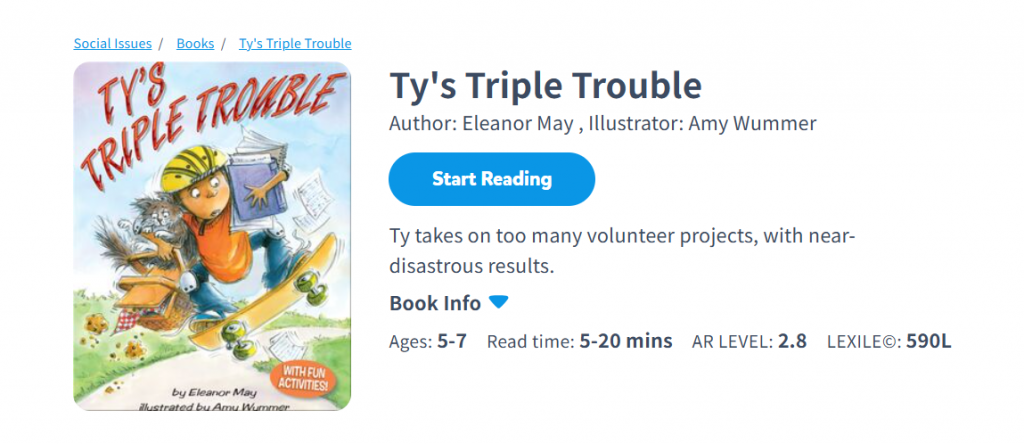
This is the kind of book that makes kids giggle out loud. Ty stumbles into one hilarious mishap after another, often while he and his friends engage in playful adventures and imaginative play, and the chaos keeps the story moving at a fast, joyful pace. I especially recommend it for restless or reluctant readers who need high energy and humor to stay engaged.
Best for: Kids who love humor and action
Why it works: High-energy pacing, funny situations, great engagement
8. A Frog in My Throat
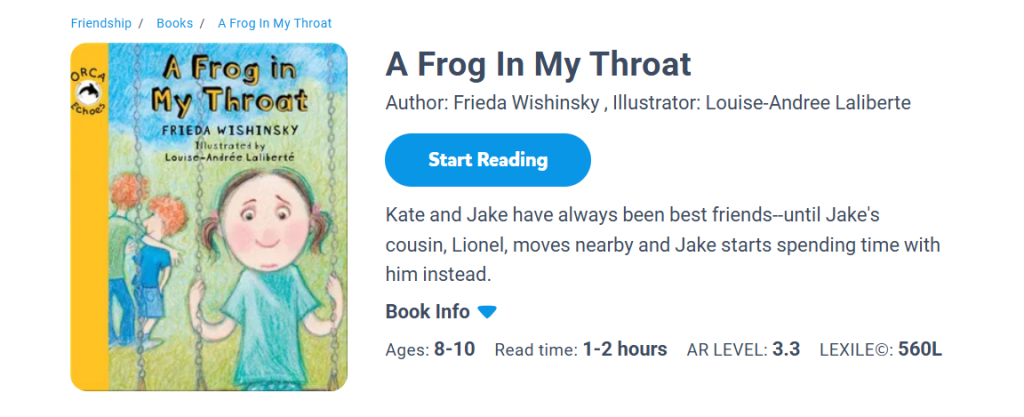
Kids who love animals instantly connect with this book, which features a memorable cat among its cast of animal characters. The premise is funny, the pacing is light, and the writing is extremely approachable. It’s a great option for readers who want something entertaining but not overwhelming. I love how it boosts reading stamina without feeling like “a big book.”
Best for: Animal lovers and emerging readers
Why it works: Funny concept, light reading, easy to stay focused
9. The Wrong Bus
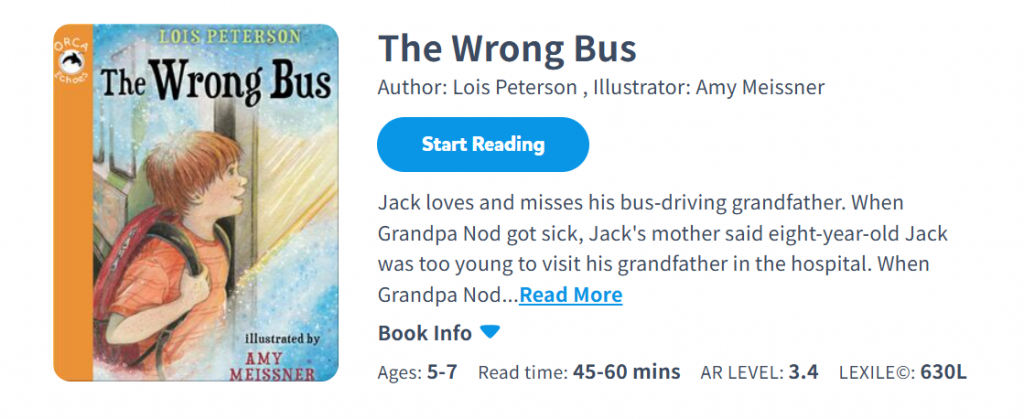
This story blends light suspense with real-life adventure. The idea of getting on the wrong bus is exciting but safe, and second graders love imagining what they would do in that situation. This could easily happen when starting at a new school or meeting a new teacher, making the story even more relatable for kids experiencing these changes. The chapters move quickly, and the problem-solving moments feel empowering rather than stressful.
Best for: Kids who enjoy problem-solving and adventure
Why it works: Gentle suspense, fast pacing, relatable fears and solutions
10. Electrifying Eco-Race Cars
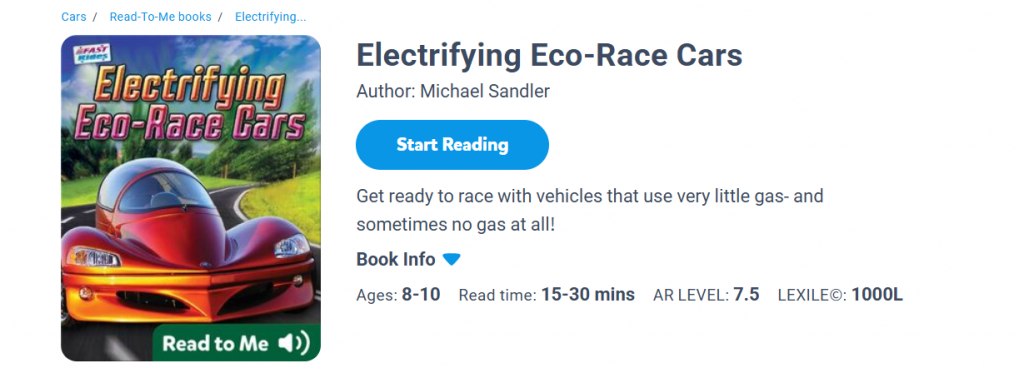
A perfect choice for STEM-minded readers. I love how this book mixes science, environmental awareness, and race-car excitement. It introduces big ideas—but in a way that feels fun and accessible. Kids who like machines, inventions, or fast-paced stories almost always gravitate toward this title.
Best for: STEM-loving readers
Why it works: Cool concepts, exciting theme, sparks curiosity
Comparison Table: 10 Best Chapter Books for 2nd Graders
| Chapter Books | Suitable Reader | Best For | Reading Tone |
|---|---|---|---|
| Evan in the Middle | New readers | Warm & supportive | Confidence-building |
| Charlie’s Big Break | School-life lovers | Emotional & fun | Relatable problems |
| Gumshoe Gang Cracks the Case | Mystery fans | Fast, clue-driven | Feels like real detective work |
| Curious Case of the Ransom Riddler | Puzzle solvers | Light suspense | Interactive riddles |
| Birthday Gone Wrong | Emotional learners | Heartfelt | Teaches resilience |
| Daisy Daisy | Sensitive kids | Gentle | Cozy storytelling |
| Ty’s Triple Trouble | Energetic readers | Silly & fast | High humor |
| A Frog in My Throat | Animal lovers | Funny | Easy-to-read fun |
| The Wrong Bus | Adventurers | Quick-paced | Safe suspense |
| Electrifying Eco-Race Cars | STEM kids | Exciting & educational | Cool science + race premise |
Key Takeaway Box
- If your child is new to chapter books, start with Evan in the Middle or Daisy Daisy
- If your child loves mysteries, try Gumshoe Gang Cracks the Case or Ransom Riddler
- If your child loves humor, pick Ty’s Triple Trouble or A Frog in My Throat
- If your child likes excitement or STEM, go with Electrifying Eco-Race Cars
How to Choose the Right Chapter Books for Your Second Grader
Even with a strong book list in hand, parents and teachers often wonder: “Which book should we begin with?” The truth is, the best starting point depends on more than reading level, including the appropriate ages for each book. A good match considers your child’s personality, attention span, interests, and emotional readiness. Some second graders love magical stories that whisk them away; others prefer everyday school adventures or silly, laugh-out-loud plots. And many thrive when animals, humor, or gentle mysteries are involved.
Below is a simple, intuitive framework you can rely on whenever you’re choosing a new chapter book. Think of it as a practical guide—something you can mentally run through in just a minute to build a richer reading life. You can visit a shop to purchase books or post recommendations for other parents to help them discover great chapter books for 2nd graders.
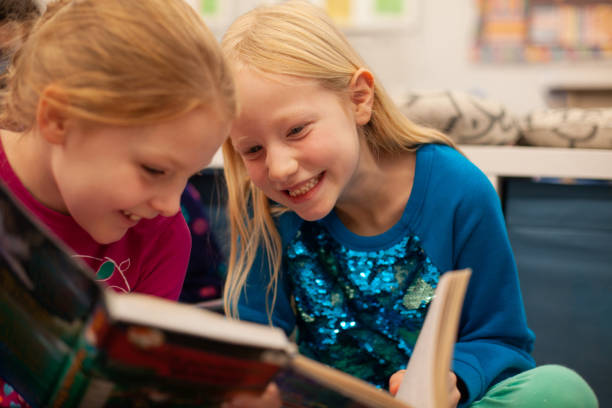
1. Start With the Basics: Is the Book Actually a Good Fit?
Before anything else, check whether the book naturally suits a 7–8-year-old reader. You don’t need to analyze Lexile scores or reading levels; a quick flip through the pages will often tell you everything you need to know.
A 2nd-grade-friendly book usually has:
- short, digestible chapters
- text that looks approachable rather than dense
- supportive spacing and clear fonts
- occasional illustrations to anchor the story
If your child picks up the book without shrinking back from the page, you’re already on the right track.
Quick Test:
Ask yourself, “Does this look readable without feeling overwhelming?” If the answer is yes, keep going.
2. Match the Book to Your Child’s Interests
No matter how well-leveled a story is, kids stay engaged when they care about the subject. Spend a moment connecting the book’s theme to what your child already enjoys.
A simple question can unlock their preferences:
“Do you feel like reading something funny, magical (like wizard stories, Harry Potter, or Judy Moody), real-life, adventurous, or mysterious today?”
Then skim the book summary together. Look for:
- animals
- school stories
- sports
- friendship challenges
- problem-solving adventures
- light mysteries
- humorous chaos
Matching interests reduces resistance and boosts reading excitement instantly.
3. Try the One-Page Read-Aloud Test
Before committing to a book, read the first page aloud—slowly and warmly. This does two things at once:
- it hooks the child emotionally,
- it lets them gauge whether they want to continue.
Listening skills are key here—engaging with the story through listening helps 2nd graders build comprehension and enjoy chapter books even more.
After you read, simply ask:
“Do you want to know what happens next?”
If their eyes light up—even a little—you’ve likely chosen a winner. If they shrug, it doesn’t mean the book is bad; it just might not be today’s book.
Finding the Right Challenge Level Without Overwhelming Your Child
A healthy reading diet includes a blend of “comfort reads” and slightly more challenging titles.
Here’s the balance that works best:
- Choose books your child can mostly read independently
- Allow for occasional new or unfamiliar vocabulary
- Rotate between easier and more advanced stories to build stamina
For readers who struggle with confidence, it’s completely fine to stay on heavily illustrated chapter books or shared read-alouds longer. Progress comes from enjoyment, not pressure.
Key Takeaway:
The best chapter book is the one your child happily finishes. Engagement matters as much as reading level—sometimes more.
When Digital Libraries Make Choosing Easier
Platforms like Epic make the selection process even smoother. Their curated collections—such as Chapter Books (Level 2)—remove the guesswork by gathering books that already match the typical 2nd-grade reading range. Popular series like A to Z Mysteries are often included, giving young readers access to engaging mystery stories right at their level.
Digital reading can help because:
- built-in read-aloud audio supports emerging readers
- kids can browse many books quickly without commitment
- switching between books is instant, so momentum never stalls
- teachers and parents can easily save “favorites” lists
It’s a great way to explore widely before buying print versions of your child’s most-loved stories.
If you want a ready-made starting shelf, explore the Chapter Books for 2nd Graders Collection. Then mix in print copies from the library or bookstore to build a richer reading life.
How to Help Your 2nd Grade Kids Fall in Love With Chapter Books?
Helping a second grader fall in love with chapter books isn’t about pushing harder books or hitting arbitrary reading milestones. It’s about nurturing curiosity, building warm associations with stories, and giving children a sense of safety and accomplishment when they read. At this age, tiny changes in routine can create big shifts: a cozy reading corner, a predictable time of day, and gentle encouragement often matter far more than reading level or page count.
Think of reading as an emotional experience first, an academic skill second. When books feel comforting, fun, or exciting, children naturally choose to read more—and that’s what builds lifelong habits. Below are simple, practical approaches you can start using right away.
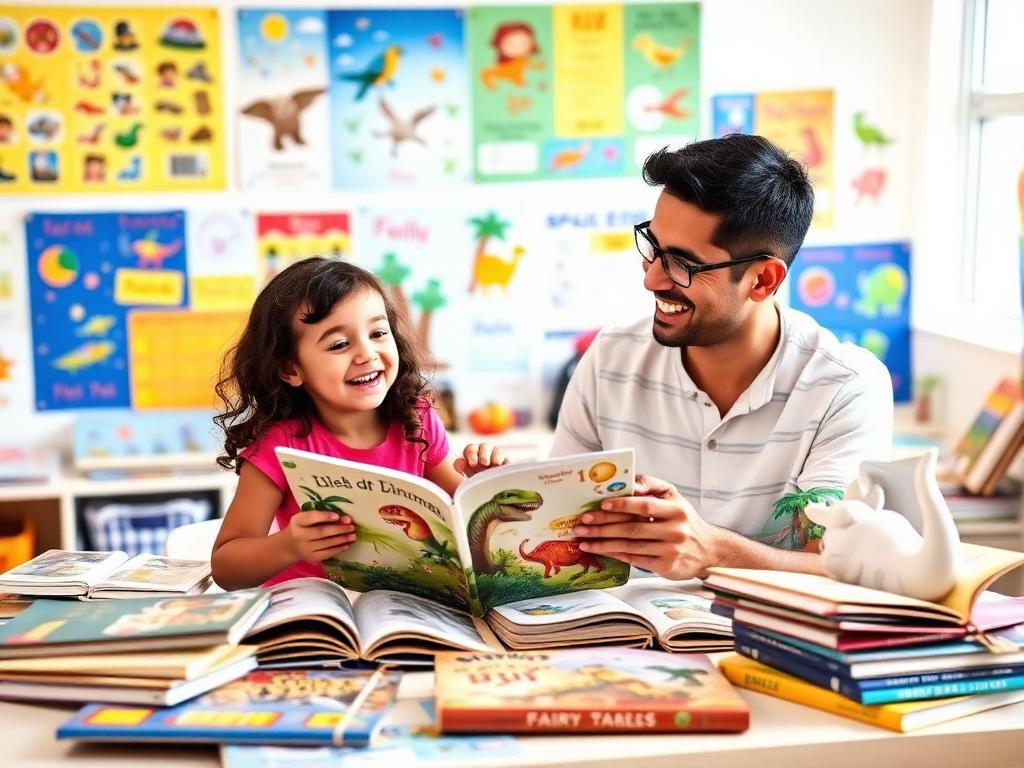
Create a Predictable, Low-Pressure Reading Rhythm
Children thrive on routine, and reading is no exception. Instead of long, occasional reading sessions, try short, consistent ones—15 to 20 minutes is plenty for this age. A consistent timeframe (after school, before bed, during breakfast) signals to your child that reading is part of daily life, not a chore.
A “to-read” stack also helps create momentum. This can be a small pile on a nightstand or a saved favorites list on Epic. As the stack grows, so does your child’s sense of ownership over their reading life.
Many families find it motivating to celebrate each finished book in a simple, meaningful way—maybe a sticker on a chart, a quick conversation about favorite parts, or letting the child choose the next title. These rituals reinforce the joy of reading without turning it into a performance.
Blend Read-Aloud Time With Independent Reading
Even strong readers still benefit deeply from being read to. Read-aloud time isn’t just comforting—it stretches children’s comprehension, exposes them to richer vocabulary, and keeps reading fun rather than tiring.
A helpful pattern many parents use is:
- You read the first chapter aloud to spark interest
- Your child reads the next chapter independently
- Alternate sections if they begin to lose energy
This creates a gentle bridge between comfort and independence. It also lets you introduce slightly more advanced stories without overwhelming them.
Use Gentle Questions to Spark Thinking—Not Quizzing
Comprehension grows through conversation, not tests. Simple, open-ended questions can help your child reflect on the story while keeping the mood light and enjoyable.
Try asking:
- “What surprised you in this chapter?”
- “Which character would you want to be friends with?”
- “What do you think might happen next?”
For digital reading, especially on platforms like Epic, pause after a chapter and invite your child to tell you what happened—almost like they’re the storyteller. This strengthens understanding in a natural, playful way.
Give Kids Choice and Flexibility
If your child resists picking up a new book, it often doesn’t mean they dislike reading—it usually means the book isn’t the right match at that moment. A simple fix is to build a routine around browsing digital shelves together, letting them sample several first chapters until something “clicks.”
On Epic, for example, switching between books is fast and low-pressure. Kids can try three or four titles in minutes, which makes finding the right one far easier than scanning physical shelves.
Reading Tip:
Many children fall in love with reading when they feel free to abandon books that don’t interest them. The ability to switch easily is a feature, not a flaw.
Key Idea to Remember
A child doesn’t fall in love with reading because a book is “good for them”—they fall in love because it feels exciting, safe, or comforting. Your role is not to push them up a staircase of difficulty, but to create an environment where stories feel like a treat, not homework.
Why a Curated Level 2 Collection on Epic Helps
One of the hardest parts of supporting young readers is simply curating—sorting through thousands of possible books to find the ones that truly match a 2nd grader’s needs. That’s where a focused digital collection can save you time and reduce decision fatigue. The “Chapter books (level 2)” collection on Epic is created by an Epic teacher and built around early chapter titles that fit this transition stage from picture books to longer narratives, including stories set in places like Longfellow School or an apartment building, which are familiar and engaging settings for young readers.Epic – Books for Kids Instead of starting from zero, you start from a shelf that’s already filtered for level and age. In this section, we’ll highlight how to get the most from that collection.
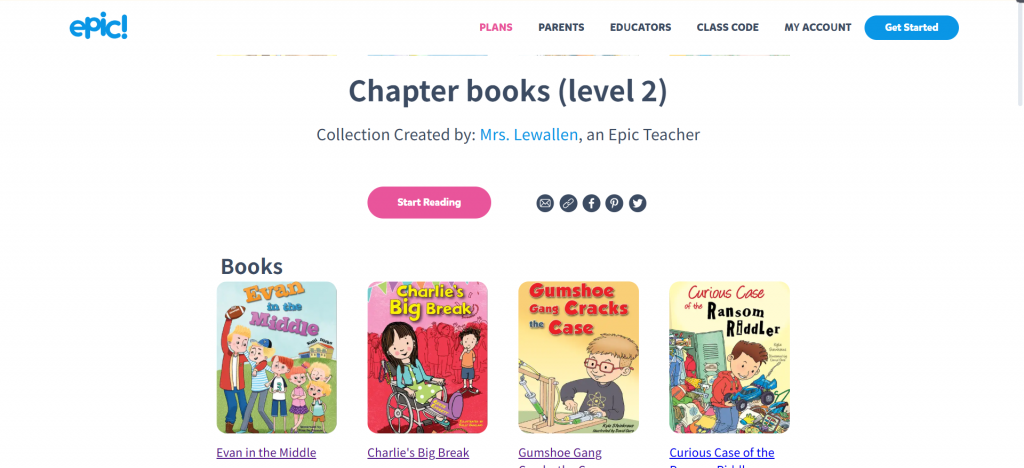
What “Level 2” Typically Means in Practice
- Early chapter book structure: short chapters, supportive illustrations.
- Language that stretches young readers without overwhelming them.
- Themes that match 1st–3rd grade life: school, friends, small adventures.
Using the Collection With Parents and Teachers
- Parents can quickly build a “favorites” list inside the collection for bedtime or after-school reading.
- Teachers can assign specific titles or series to small groups based on reading level and interest.
- Because all books live in the same digital space, kids can easily move from one finished book to the next without a gap.
Combining Digital and Print Reading
- Let your child discover new series in the Epic collection first.
- When a series becomes a favorite, consider buying a few print copies or borrowing them from the library.
- This hybrid approach uses digital for discovery and print for deeper, repeated reading.
Explore the Chapter books (level 2) collection on Epic as your “home base” for 2nd-grade chapter books, then build outward with library and bookstore finds that match your child’s new favorites.
FAQ: Chapter Books for 2nd Graders
Q1: Should all second grade kids be reading chapter books already?
Not necessarily. Some 2nd graders are ready for longer chapter books, while others are still building confidence with leveled readers and heavily illustrated stories. It’s more important that they have regular, positive reading experiences than that they hit a specific format at a specific age.
Q2: How many chapter books should my 2nd grader read in a month?T
his depends on book length, reading speed, and how busy your schedule is. A common target is 2–4 shorter chapter books per month, plus plenty of picture books and read-alouds. Focus on consistency (reading most days) rather than a fixed number.
Q3: Are graphic novels okay for 2nd graders?
Yes, as long as the content is age-appropriate. Graphic chapter books and comics can be a powerful gateway for reluctant readers because they reduce the visual load and keep kids engaged with strong visuals and dialogue. Many teachers now include them on recommended reading lists for this grade, with popular series like The Bad Guys and Mercy Watson often recommended for their humor, adventure, and engaging illustrations.
Q4: What if the book is “too easy” for my child?
Easier books still have value—they let kids practice fluency and feel successful. If everything feels too easy, gradually introduce slightly more complex titles while still allowing “comfort reads.” A mix of easy and just-right books is ideal.
Q5: As a new teacher, how can I tell if a book’s content is appropriate?
Skim the first couple of chapters and flip through the rest, looking for language, themes, or images you’d rather your child not see. Trusted school reading lists, teacher recommendations, and curated collections like Epic’s Level 2 chapter books can also help filter out titles that don’t fit your family or classroom values.
Conclusion
Choosing chapter books for 2nd graders doesn’t have to feel overwhelming. When you understand the basics—appropriate reading level, age-sensitive themes, and the power of high-interest series—you can quickly spot stories that will both challenge and delight young readers. In this guide, we walked through how to evaluate chapter books, shared practical tips for building simple reading routines, and highlighted 10 popular series and titles that teachers, librarians, and kids themselves consistently love. Stories like The Wild Robot, set on a wild island, or other island adventures, capture young readers’ imaginations with themes of survival, friendship, and discovery.
By using tools like Epic’s Chapter books (level 2) collection alongside your local library and bookstore, you can give your 2nd grader a rich mix of digital and print reading experiences. Most importantly, you’re helping them see reading not as a homework task, but as a doorway into new worlds, ideas, and characters. Start with one or two books from this list, watch which stories they can’t put down—and let that excitement guide your next choice.


Thanks for sharing. I read many of your blog posts, cool, your blog is very good.