
What is Christian Easter for kids?
Christian Easter is the celebration of Jesus Christ coming back to life after He died. For children, Easter can be explained as a happy and hopeful story about love, new life, and why Jesus is important. To help kids understand Easter, parents can use simple language, focus on the idea of hope, and read age-appropriate books that explain the story in a clear and gentle way.
Why Easter Is Important for Children to Understand?
Easter is one of the most important holidays in the Christian faith. However, for many young children, its meaning is not immediately clear. They often experience Easter through fun and visible traditions—such as egg hunts, candy, and spring celebrations—long before they understand the story behind it. Because of this, many children grow up associating Easter with activities rather than meaning. That’s why it’s important for parents to take a gentle and intentional approach.
Helping children understand Easter is not about removing the fun parts of the holiday. Instead, it’s about adding meaning to what they already see and experience. At its core, Christian Easter is about Jesus—his death, his resurrection, and the promise of new life. When children begin to understand this story, Easter becomes more than just a celebration—it becomes something meaningful and memorable. This is where storytelling plays an important role. Books provide a natural and age-appropriate way to introduce these ideas, helping children move from simple traditions to deeper understanding over time.
Understanding Christian Easter: Meaning, Misconceptions, and How Children Learn
Helping children understand Easter begins with a clear foundation. However, for young children, Easter is often experienced very differently than it is understood. They may see colorful eggs, candy, and spring celebrations, but the deeper meaning of Easter—the story of Jesus and His resurrection—is not always immediately clear. To guide children effectively, it’s important to understand three things:
what Easter means, why children often misunderstand it, and how they learn best at this stage.
What Christian Easter Really Means
At its core, Christian Easter celebrates the resurrection of Jesus Christ. According to Christian belief, Jesus died on the cross and rose again three days later.
This event represents:
- Hope
- Fogiveness
- New life
For adults, these ideas carry deep spiritual meaning. However, for children, they need to be introduced in a simple and reassuring way. A clear starting point might be: “Easter is when we remember that Jesus came back to life, and that’s why it’s a happy and hopeful day.” This type of explanation gives children a foundation they can understand without feeling overwhelmed.
Why Easter Can Be Confusing for Young Children
lthough Easter has a deep meaning, children naturally focus on what they can see and experience.
For many kids, Easter is about:
- Egg hunts
- Candy and treats
- Decorations
- Springtime fun
These traditions are important and enjoyable, but they don’t explain the full story. As a result, children often understand Easter as a celebration—but not as a story. The challenge for parents is not to remove these traditions, but to help children see that there is a deeper meaning behind them.
How Children Learn the Meaning of Easter
Young children do not learn through abstract explanations. Instead, they learn through:
- Stories
- Visual experiences
- Repetition
- Emotional connection
That’s why storytelling is one of the most effective ways to teach Easter.
Books help children:
- Turn ideas into something they can imagine
- Connect emotions with meaning
- Understand the story of Jesus step by step
Rather than explaining everything at once, stories allow children to build understanding gradually.
Over time, they begin to connect:
- · What they see (eggs, celebrations)
- · With what it means (Jesus, hope, new life)
This process is what makes learning meaningful—and lasting.
3 Best Easter Books to Explain Christian Easter to Kids
Easter by Julie Murray
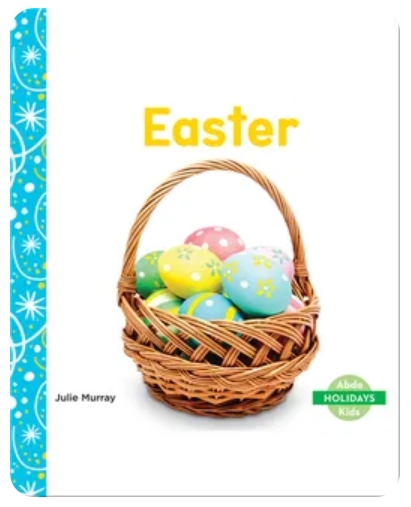
This book offers one of the clearest and most direct introductions to the meaning of Easter for children.
It explains that Easter is a Christian holiday and focuses on the idea that Jesus rose from the dead. The language is simple and designed for early readers, making it especially effective for children who are learning about Easter for the first time.
Why this book stands out
First, it introduces Jesus as the central figure of Easter, which is essential for understanding the holiday.
Second, it explains the concept of resurrection in a way that feels calm and approachable, rather than confusing or overwhelming.
Finally, it keeps the message focused on hope, allowing children to understand that Easter is a positive and meaningful celebration.
This makes it an excellent starting point for families who want a clear and accurate explanation of Christian Easter.
Holidays: Easter by Rebecca Pettiford

This book takes a slightly different approach by combining Easter traditions with meaning. Instead of focusing only on the religious story, it also includes familiar elements such as celebrations, family gatherings, and seasonal activities. This makes it especially helpful for children who already associate Easter with these experiences.
Why this book stands out
It helps children connect what they already know—such as egg hunts and celebrations—with the idea that Easter is also an important Christian holiday. Because of this, children are not asked to replace their understanding, but to expand it. This approach is powerful because it builds understanding gradually. Children begin to see that the traditions they enjoy are connected to a deeper story about Jesus and new life.
The Berenstain Bears and the Easter Story by Mike Berenstain
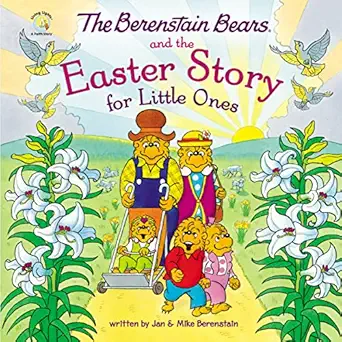
This widely loved book introduces the Easter story through familiar characters, making it easier for children to connect emotionally. Instead of presenting information directly, it tells a story that children can relate to, which makes the message feel more personal and meaningful.
Why this book stands out
First, it gently introduces the story of Jesus in a way that feels safe and understandable.
Second, it focuses on emotional themes such as love, faith, and hope, which are easier for children to grasp than abstract concepts.
Finally, it helps children see why Easter matters—not just what it is.
Because of its storytelling approach, this book is especially effective for helping children feel the meaning of Easter, not just understand it.
How Easter Stories Help Children Understand Faith and Meaning?
Understanding Easter is not just about learning facts—it is about building meaning over time. Children do not immediately grasp ideas like faith or resurrection. Instead, they learn step by step through stories and experiences.
From What Children See to What Easter Means
Children begin with what they see: eggs, celebrations, and springtime. Stories help connect these experiences to deeper meaning. Over time, children begin to understand that Easter is not just about traditions—it is about Jesus and new life.
Making Big Ideas Feel Simple and Safe
Concepts like resurrection can feel complex. Stories simplify these ideas into something children can understand:
- Easter is about Jesus
- Easter is a happy story
- Easter means new life
This makes the learning process feel safe and approachable.
Building Emotional Understanding
Stories allow children to connect emotionally with Easter in a way that simple explanations often cannot. Instead of only hearing what Easter means, they begin to feel it through the story. As they follow characters and events, children naturally connect with ideas like love, hope, and kindness. This emotional engagement is important, because it helps the message stay with them long after the story ends.
Encouraging Curiosity and Questions
At the same time, stories naturally encourage curiosity. As children listen, they often begin to ask questions such as “Who is Jesus?” or “Why is Easter important?” These questions are not only normal, but essential for learning. Through gentle conversations and repeated exposure to the story, children gradually deepen their understanding and begin to see Easter as something meaningful rather than just a celebration.
How Parents Can Make Easter Reading More Meaningful?
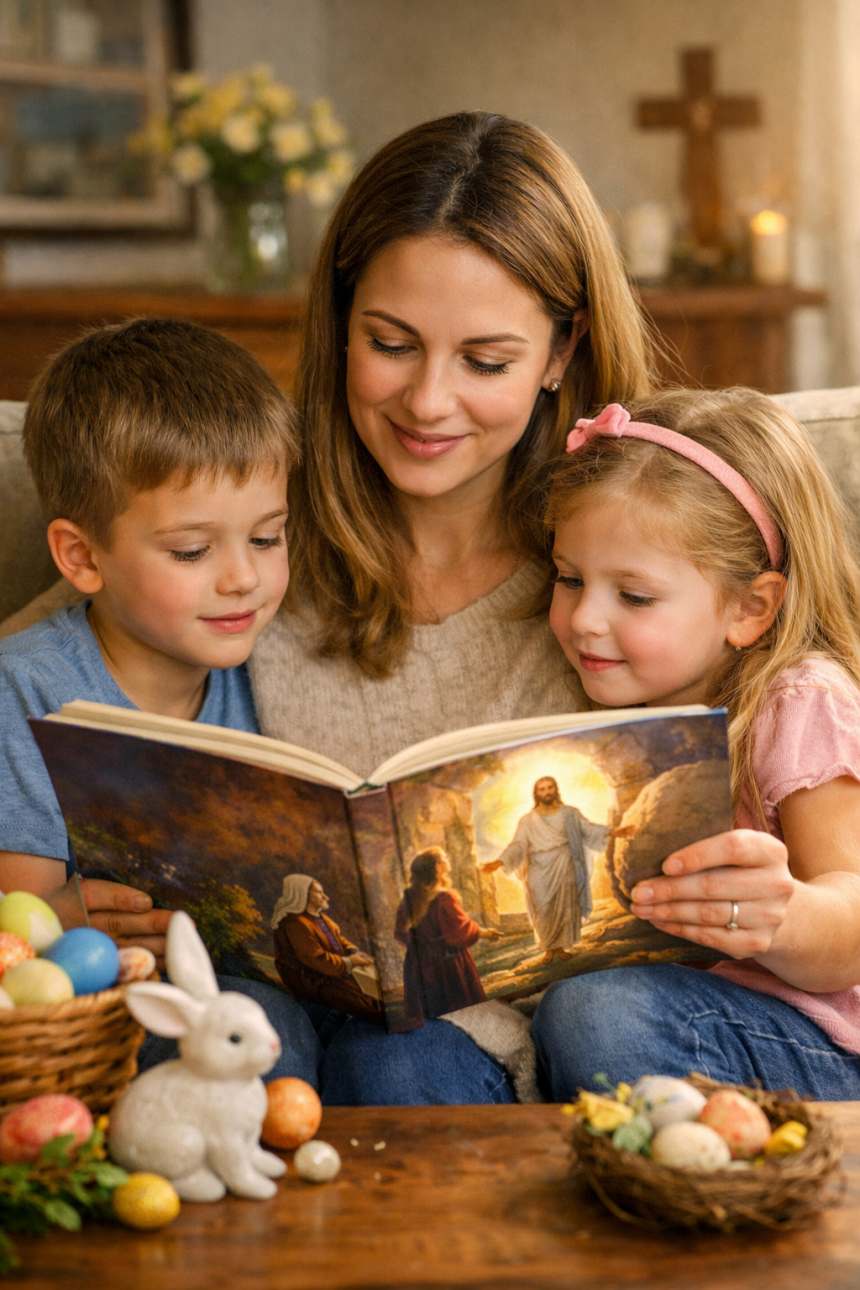
Reading Easter books with your child can be much more than a quiet activity—it can become a meaningful moment of connection and learning. However, the impact of reading depends largely on how it is done. By making small adjustments to your approach, you can help your child not only understand the story of Easter, but also remember and connect with its message over time.
Create a Calm, Thoughtful Reading Experience
The environment in which you read plays an important role in how well your child engages with the story. Instead of rushing through a book, choose a quiet and relaxed moment—such as before bedtime or after a calm activity—when your child is ready to focus.
When children feel safe and unhurried, they are more open to listening, asking questions, and thinking about what they hear. Reading slowly, with a gentle tone, also helps create a sense of comfort, which is especially important when introducing meaningful topics like Easter. This kind of intentional reading moment turns a simple story into a shared experience.
Use Conversation to Deepen Understanding
Reading should not be a one-way activity. Children learn much more when they are invited to think, respond, and ask questions. As you read, pause at key moments—especially when the story mentions Jesus, resurrection, or new life. Instead of moving on quickly, take a moment to explain in simple terms:
“Easter is about Jesus coming back to life. That’s why it’s a happy day.”
You can also ask open-ended questions such as:
- “What do you think this means?”
- “How does this part make you feel?”
These conversations don’t need perfect answers. What matters is helping your child begin to process the meaning of the story in their own way. Over time, these small discussions help build deeper understanding and confidence.
Connect the Story to Real Life and Daily Actions
One of the most powerful ways to make Easter meaningful is to connect the story to your child’s everyday life. Children understand ideas more clearly when they can see how those ideas apply outside of a book.
After reading, you might talk about how Easter is connected to:
- Showing kindness to others
- Helping someone in need
- Talking about hope and new beginnings
For example, you could say: “Easter is about love and hope. What’s one kind thing we can do today?”
This helps children see that Easter is not just something they read about—it’s something they can live and experience.
Final Thoughts
Christian Easter is more than a holiday—it is a story of hope, love, and new life. While children may first experience Easter through traditions, they can gradually learn its deeper meaning through stories and guidance.
The right books make this process easier. They help children understand the story of Jesus in a way that feels simple, safe, and meaningful. And sometimes, all it takes is one story to help a child begin to understand what Easter is truly about.