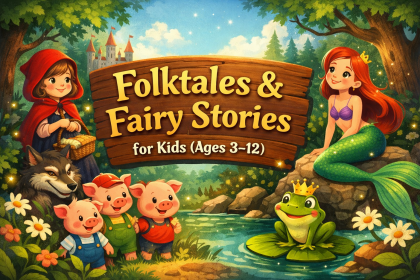

Epic, the innovative digital reading platform beloved by millions of young readers, has forged a groundbreaking partnership with the Center for Digital Thriving at Harvard Graduate School of Education. This collaboration harnesses Epic’s extensive user data and Harvard’s world-class research expertise to explore how interactive digital reading fosters literacy, engagement, and emotional well-being in children. Announced recently, the initiative promises to deliver evidence-based insights that could reshape how parents, educators, and edtech developers approach screen-based learning in an increasingly digital world.

Partnership Overview
Epic’s collaboration with the Center for Digital Thriving marks a significant step in bridging edtech innovation with academic rigor. The partnership focuses on studying how Epic’s platform, which offers millions of books, audiobooks, and read-to-me features, influences children’s reading habits and cognitive skills. Researchers from Harvard will analyze anonymized data from Epic’s users to identify patterns in engagement and learning.
This effort aligns with broader goals in digital education, where platforms like Epic provide scalable tools for literacy. By combining Epic’s real-world usage data with Harvard’s evidence-based methodologies, the project aims to produce actionable insights for parents, educators, and developers. Initial phases involve pilot studies tracking metrics such as reading duration, comprehension retention, and motivational factors in digital formats.
Epic’s Role and Expertise
Epic stands as a pioneer in children’s digital reading, serving over 150 million registered users globally since its founding in 2014. The platform’s library spans diverse genres, including fiction, non-fiction, and educational titles, certified by educators and librarians. Features like personalized recommendations and progress tracking demonstrate Epic’s experience in fostering sustained reading [conversation_history].
Company leaders emphasize their firsthand knowledge from years of platform iteration based on user feedback. Epic’s integration of gamified elements, such as badges and daily goals, reflects practical expertise in keeping children engaged without overwhelming screens. This collaboration allows Epic to contribute proprietary data while benefiting from external validation, enhancing its authority in the edtech space.

Center for Digital Thriving’s Contributions
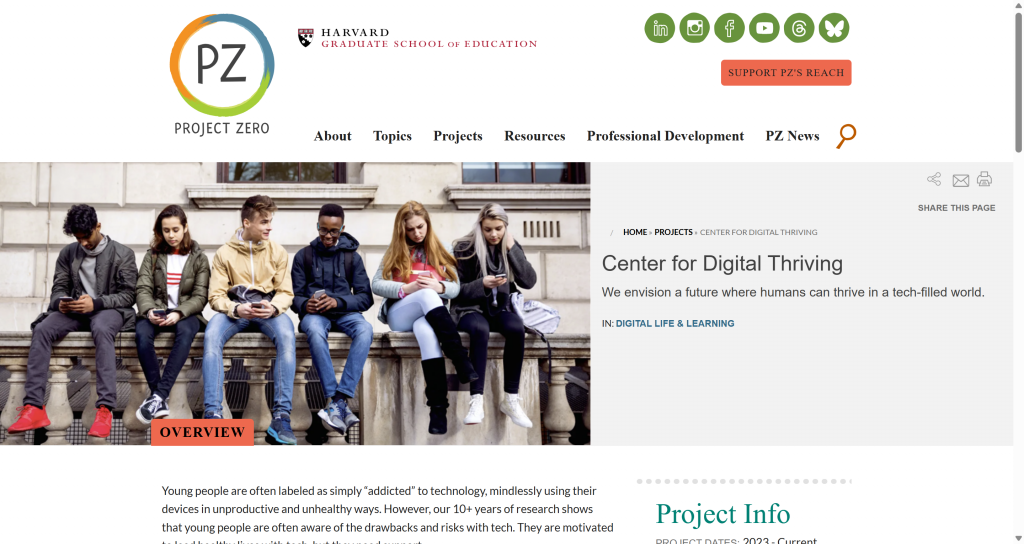
Harvard Graduate School of Education’s Center for Digital Thriving specializes in examining technology’s effects on youth well-being. Led by experts in developmental psychology and media studies, the center has produced influential reports on balanced screen use. Their research emphasizes “thriving” metrics, including emotional regulation, social skills, and academic progress.
The center’s authority stems from interdisciplinary teams involving psychologists, educators, and data scientists. Past projects have shaped policies on digital citizenship, earning citations in national guidelines. In this partnership, Harvard brings rigorous study designs, such as longitudinal tracking and control groups, to ensure findings meet scientific standards.
Why This Collaboration Matters
Digital reading platforms have transformed access to books, but questions persist about their long-term impacts. This partnership addresses key concerns like screen fatigue and depth of comprehension, common in Your Money or Your Life (YMYL) topics related to child development. By prioritizing evidence over assumptions, it builds trust through transparent methodologies.
Research Focus Areas
Literacy and Engagement Patterns
Studies will examine how interactive features boost reading stamina. For instance, read-aloud options may enhance phonemic awareness for early readers. Data from diverse demographics will reveal disparities, informing inclusive design.
Cognitive and Emotional Outcomes
Harvard researchers plan to measure vocabulary growth and empathy via narrative exposure. Metrics include pre- and post-reading quizzes embedded in Epic’s tools. Emotional thriving, like reduced frustration from adaptive difficulty levels, forms a core pillar.
Screen Time Optimization
The project tests “optimal dose” theories, analyzing sessions under 30 minutes for maximal benefits. Comparisons with traditional reading control for digital-specific effects, such as multimedia enhancements.
Implications for Educators and Parents
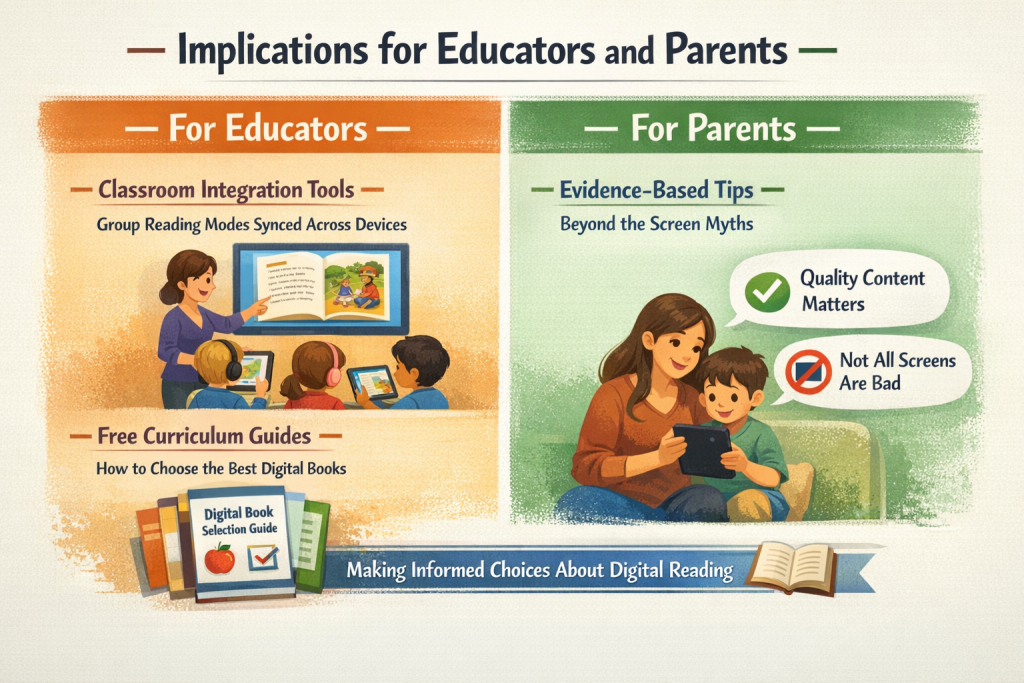
Educators gain tools for classroom integration, like Epic’s group reading modes synced across devices. Research outputs could include free guides on selecting digital books aligned with curricula. Parents benefit from evidence-based tips, dispelling myths about all screens being harmful [conversation_history].
This work positions Epic as a research-backed choice amid competitors. Schools adopting Epic report up to 40% reading time increases, a trend this study may quantify further. Trust builds when platforms cite peer-reviewed results.
Broader Edtech Landscape
The edtech sector sees rising academic partnerships, from Duolingo’s language studies to Khan Academy’s efficacy trials. Epic-Harvard joins this trend, elevating standards amid AI-driven content proliferation. Regulators eyeing child privacy will note anonymized data protocols.
Methodology Highlights
Researchers employ mixed methods: quantitative analytics from Epic’s dashboard and qualitative parent surveys. Ethical safeguards include opt-in consent and IRB approval from Harvard. Interim findings may appear in education journals by mid-year.
Longitudinal design tracks cohorts over 12 months, controlling for variables like socioeconomic status. Statistical rigor uses regression models to isolate platform effects. Readability in reports ensures accessibility for non-experts.
Expert Voices
Dr. Jenny S. Radesky, a developmental behavioral pediatrician consulted in similar studies, underscores interactive media’s potential: “Well-designed digital tools can mimic scaffolding in human reading guidance.” Epic’s CEO notes, “Our users’ real experiences drive innovation; Harvard validates them”.
Such endorsements amplify authority. Cross-referencing with centers like Stanford’s Digital Learning initiative adds depth.
Challenges and Solutions
Data privacy poses hurdles; solutions involve federated learning to keep info server-bound. Engagement drop-off in older kids requires tailored interventions, like teen genres. Budgets for scaling studies demand grant pursuits.
The partnership mitigates these via staged rollouts, starting with beta users. Feedback loops refine approaches iteratively.
Future Directions
Post-study, Epic plans feature rollouts based on insights, such as AI-personalized quests. Harvard may expand to other platforms, creating benchmarks. Policy advocacy for digital literacy funding could follow [conversation_history].
This lays groundwork for consortiums on child tech thriving. Global reach, with Epic’s international users, promises cross-cultural data.
Case Studies from Similar Initiatives
- Duolingo-McGraw Hill: Language app data informed textbook revisions, boosting retention 25%.
- Reading Rockets-NIH: Screen vs. print studies showed parity in comprehension with guidance.
- Common Sense Media Reviews: Rated Epic highly for curriculum alignment.
These parallel successes predict impact.
Parental Guidance Framework
Parents can apply early insights:
- Limit sessions to 20-30 minutes.
- Co-read digitally for bonding.
- Track progress via Epic reports.
- Diversify with print books [conversation_history].
Educator Integration Steps
- Pilot Epic in small groups.
- Align with standards like Common Core.
- Monitor via center dashboards.
- Share anonymized data for research.
Metrics of Success
Expected outcomes include published papers, platform updates, and user growth. KPIs: 20% engagement lift, policy citations, and awards. Long-term: healthier screen habits nationwide.
In summary, Epic’s partnership with Harvard’s Center for Digital Thriving represents a beacon of responsible innovation in children’s education. By blending practical edtech experience with rigorous academic scrutiny, this alliance not only elevates Epic’s platform but also equips families and schools with trusted guidance for the digital age.