

Beatrix Potter’s The Tale of Peter Rabbit is a tiny classic that’s easy to love. The story follows Peter, a curious young rabbit who sneaks into Mr. McGregor’s vegetable garden despite his mother’s warning, eats too much, gets chased, loses his jacket and shoes, and barely escapes — then returns home to be patched up and given chamomile tea. First written as a private letter and published in 1902, the book pairs that simple, memorable plot with charming illustrations and a gentle lesson. Read on for a casual rundown of what stands up today — themes, who it’s best for, the best formats and audiobooks, adaptations worth checking out, and edition recommendations.
The Tale of Peter Rabbit — Plot Summary
The Tale of Peter Rabbit follows Peter, a curious young rabbit who disobeys his mother’s warning and sneaks into Mr. McGregor’s garden to eat cabbages, lettuces, and other vegetables. While exploring and feasting, Peter is discovered by Mr. McGregor and must flee through the garden, narrowly escaping capture. He loses his jacket and shoes in the scramble, returns home exhausted, and is comforted by his mother, who patches him up and gives him chamomile tea for his troubles. Meanwhile, Peter’s well-behaved siblings—Flopsy, Mopsy, and Cotton-tail—enjoy a safer, simpler meal of bread and milk. The story’s compact arc—temptation, transgression, pursuit, retreat, and consolation—makes it especially well suited to read-aloud sessions.
Key Themes of The Tale of Peter Rabbit
The Tale of Peter Rabbit contains a handful of themes and motifs that make it more than a simple children’s anecdote. Its short length belies a story that touches on childhood curiosity, consequence and discipline, the boundaries between human and animal worlds, and the comforting routines of family life.
Childhood Mischief and Consequences
At its core, the story is a cautionary tale. Peter’s curiosity and defiance lead to danger; his misadventure results in loss (his clothes) and fear. The narrative structure underscores an early moral lesson—disobedience can have tangible consequences—while the gentle resolution (mother’s care, chamomile tea) reassures the child reader that mistakes can be mended.
Illustration and Visual Storytelling
Beatrix Potter was both author and illustrator, and the watercolors and pen-and-ink drawings are integral to the tale’s charm. The illustrations do more than decorate: they provide context, pacing, and visual humor (Peter’s progressively disheveled appearance, the stern domesticity of his mother). The compact interplay between text and image makes the book an early exemplar of the picture-book form.
The Tale of Peter Rabbit: Age Suitability & Parent Guide
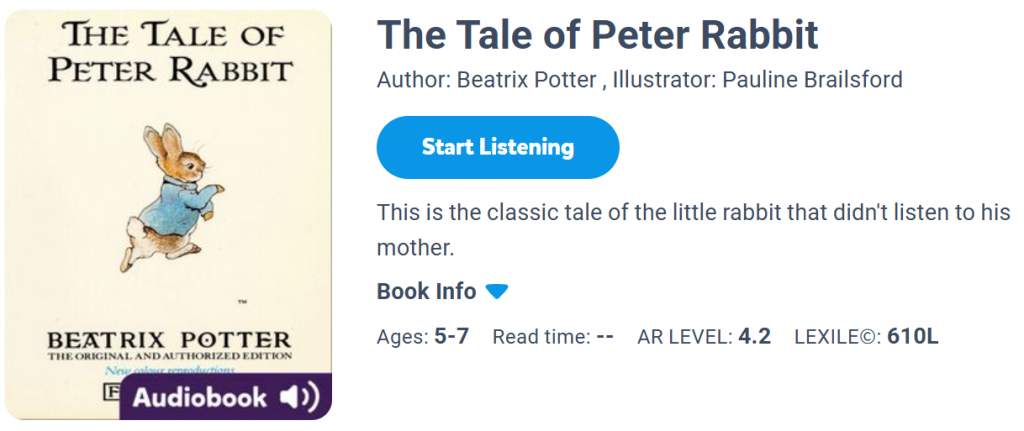
One of the most practical concerns for parents is whether a book is appropriate for their child’s age, temperament, and developmental stage. The Tale of Peter Rabbit is short, simple, and visual—qualities that make it appealing to toddlers and preschoolers—but there are nuances to how it should be presented and discussed.
Recommended Ages
- Ages 1–3 (Toddlers): Board-book renditions and read-aloud sessions are ideal. Younger toddlers may enjoy the repetition and rhythm while being soothed by the narrative’s secure ending. Choose sturdy board-book editions with bright reproductions; shorten the reading if attention wanes.
- Ages 3–6 (Preschool): This is the sweet spot for the full picture-book experience. Children at this age can follow the cause-and-effect sequence, enjoy the suspense of Peter’s escape, and take in the moral without heavy-handed explanation.
- Ages 6+ (Early Readers): Older children may appreciate the historical context, original language, and comparisons to other animal tales. They can also be invited to explore Potter’s later stories and themes about land stewardship and anthropomorphism.
Parent Guide: Reading & Discussion Tips
- Read aloud with expression: Emphasize Peter’s mischief, the soundscapes of the garden, and the comfort of home.
- Discuss consequences without shaming: Use Peter’s experience to talk about rules and safety (e.g., “Why did Peter get into trouble?”).
- Use illustrations as prompts: Ask children to describe what they see, spot small details, or predict what will happen next.
- Extend with activities: Plant a small pot of herbs, do a “lost shoe” scavenger hunt, or make simple rabbit masks to dramatize the story.
- Frame historical context lightly: For older preschoolers, explain that the book was written a long time ago and reflect briefly on household roles or garden practices that may seem different now.
Quick Practical Tips for Parents
- Mix formats: Alternate hardcover reading with an audiobook listen to keep storytime fresh.
- Preview first: Always listen to a full audiobook sample yourself before playing it for young children to confirm tone and pacing.
- Use audio as a tool, not a replacement: Audiobooks are excellent supplements, but shared reading supports bonding and interactive learning.
- Create activities around listening: After an audiobook, ask kids to draw their favorite scene or act it out together.
If you’re exploring audiobooks for kids, consider Epic’s narrated editions. It specializes in children’s audiobooks and read-alongs designed for young listeners — clear, friendly narration, well-paced pacing for different age groups, and kid-safe features that make it easy for parents to use on the go or at bedtime. We recommend trying a short sample to see how the narrator’s tone fits your child before committing to a full listen.
Full Review of The Tale of Peter Rabbit: Pros and Cons
Every classic should be tested by modern readers’ standards. Below is a balanced evaluation, weighing the book’s enduring strengths against elements that may feel dated or less appealing today.
What Works Well
- Brevity and focus: The short narrative is perfect for read-aloud time and for maintaining attention.
- Memorable protagonist: Peter’s personality is vivid and relatable – impulsive, curious, and ultimately remorseful.
- Integrated illustrations: Potter’s artwork complements and extends the text, giving readers visual cues and emotional depth.
- Timeless lesson: The story models consequences and parental reassurance, useful in early moral education.
- Cultural legacy: The book has sparked a century of adaptations, merchandise, and scholarly interest, ensuring accessibility and cultural reference points.
Potential Drawbacks for Modern Readers
- Moral simplicity: The lesson is straightforward and may feel didactic to some modern parents who prefer exploratory learning approaches.
- Limited character development: The short format offers little backstory or growth beyond Peter’s immediate misadventure.
- Sensitivities for very young readers: The chase and threat of capture can be distressing to very sensitive toddlers; parents should gauge temperament.
Picture Books and Audiobooks
Format matters in how children experience a story. When hunting for The Tale of Peter Rabbit editions, think about durability, illustration fidelity, interactivity, and whether you want an audio option — matching the format to your child’s age and attention span will make the story land best.
Picture Book (Hardcover) Editions
- Pros: High-quality reproductions of Potter’s original illustrations, collectible, works well for shared reading.
- Cons: Fragile for young toddlers unless carefully handled; often pricier.
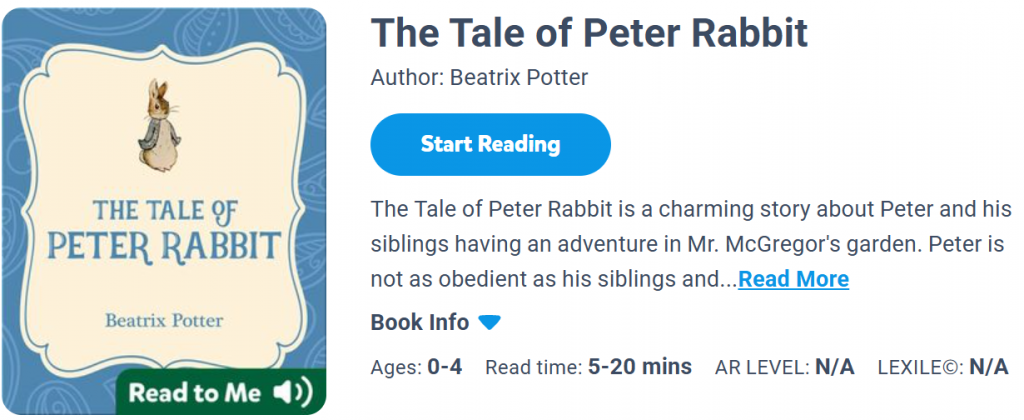
Board Book Editions
- Pros: Durable, small-format, and designed for tiny hands; often simplified text and larger images for toddlers.
- Cons: May abridge or omit some of the original text and nuanced illustration details.
Pop-Up and Novelty Editions
- Pros: Highly engaging and interactive; excellent for attention and sensory engagement.
- Cons: Can distract from the narrative; more delicate and expensive.
Audiobooks and Read-Alongs
- Pros: Good for multi-sensory exposure; can support language development and listening skills. Narrators often add expressive character voices.
- Cons: Lacks visual cues from illustrations; young listeners may miss visual humor or detail.
Other Beatrix Potter Titles
Beatrix Potter wrote a string of animal-centered tales that share thematic affinities with Peter Rabbit. If readers enjoy Peter, several other short books make natural follow-ups.
- Benjamin Bunny: Continues the Peter Rabbit universe; features family members and more garden-centric adventures.
- Jemima Puddle-Duck: Explores themes of naivety and trust, with a slightly darker edge about deception.
- Squirrel Nutkin: Notable for its rhythmic language and an unreliable, mischievous protagonist.
- The Tale of Tom Kitten: Focuses on domestic disorder and parental correction—similar moral territory.
- The Tale of Mrs. Tiggy-Winkle: Gentle rhythms and strong pastoral imagery; excellent for soothing read-alouds.
Notable Film & TV Adaptations
Peter Rabbit has been adapted into multiple media, from early animated shorts to contemporary feature films.
- Early animations: Silent-era and early 20th-century adaptations condensed scenes for short films.
- Beatrix Potter-inspired TV adaptations: Several series and anthology programs adapted her illustrations and stories, often remaining faithful to tone and pacing.
- 2018–2021 feature films: Modern live-action/CGI films reimagined Peter with contemporary humor and expanded plots. These adaptations introduced the character to new audiences but sometimes drew criticism for altering tone or character traits.
Best Editions for Toddlers
For parents selecting a copy for young children, consider durability, legibility, and faithful reproduction of images.
- Top board-book pick: A sturdy, color-accurate board book with simplified text and thick pages for handling.
- Best for teaching: Editions with activity prompts or “read-and-play” layouts that suggest discussion points and crafts.
- Budget-friendly: Mass-market paperback reprints often reproduce illustrations adequately and are easy to replace.
Conclusion
The Tale of Peter Rabbit endures because it is compact, emotionally resonant, and visually cohesive. Its portrayal of a childlike protagonist testing boundaries, facing consequences, and returning to parental safety is a narrative that continues to resonate. While some elements feel rooted in its Edwardian origin, few picture books balance text and illustration with the economy and charm Potter achieved. For parents, educators, and collectors, the book remains a valuable resource—best paired with contextual conversation and age-appropriate editions.
FAQs
What is the story of The Tale of Peter Rabbit?
The Tale of Peter Rabbit follows a young rabbit who disobeys his mother and sneaks into Mr. McGregor’s garden, eats vegetables, is chased, loses his clothes, and returns home to be nursed and patched up.
Who is the author of The Tale of Peter Rabbit?
Beatrix Potter wrote and illustrated The Tale of Peter Rabbit. The book first appeared in its published form in 1902 after Potter privately created the story as a letter.
Is The Tale of Peter Rabbit a fairy tale?
The Tale of Peter Rabbit is not a fairy tale in the strict folkloric sense. It is best described as a children’s picture book or an animal tale, using anthropomorphized characters and a moral structure similar to fables.
When was The Tale of Peter Rabbit first published?
The Tale of Peter Rabbit was first commercially published in 1902 by Frederick Warne & Co., though Potter originally sent a manuscript and illustrations as a private letter to a friend.
What is the theme of The Tale of Peter Rabbit?
Major themes include childhood mischief and consequences, obedience and parental care, and the interplay between domestic, human-ordered spaces and the animal world.