
Introduction
If you’ve ever heard a child ask, “Did that really happen?” after a read-aloud, you’ve seen something important: history books for kids can activate curiosity and meaning. History stories—picture-book biographies, narrative nonfiction, folktales, and culturally rooted stories—help children connect facts to people, places, and choices.
This matters because social studies isn’t just a list of dates. The National Council for the Social Studies defines social studies as an integrated study meant to build civic competence so young people can make informed decisions in a culturally diverse, democratic society. When children read well-chosen history stories, they practice the habits behind that goal: perspective-taking, evidence-seeking, and respectful conversation about how communities live and change over time.
Why children should read historical books
Stories can make information “stick” in ways that disconnected facts often don’t. A large meta-analysis comparing narrative versus expository texts found that stories tend to be more easily understood and better recalled than essays across many studies and samples. For elementary-aged children, that can translate into better retention of key concepts like “freedom,” “migration,” “tradition,” “conflict,” and “fairness”—concepts that show up again and again in US curriculum standards.
Reading history stories also supports early literacy. A synthesis of read-aloud interventions reports positive effects on children’s language and literacy outcomes (including vocabulary and comprehension), particularly when reading is paired with purposeful interaction and questions. In other words: history read-alouds are not “extra.” They can be a strategic way to build both content knowledge and reading skills.
Critical thinking and “How do we know?”
Young children don’t automatically separate story-world details from real-world truth. Research on learning from picture books notes that children often need help deciding what information should transfer to real life and what is fictional or stylized. High-quality historical books make this easier by offering realistic contexts, author notes, clear time/place cues, and opportunities for adult guidance.
Best history stories for kids
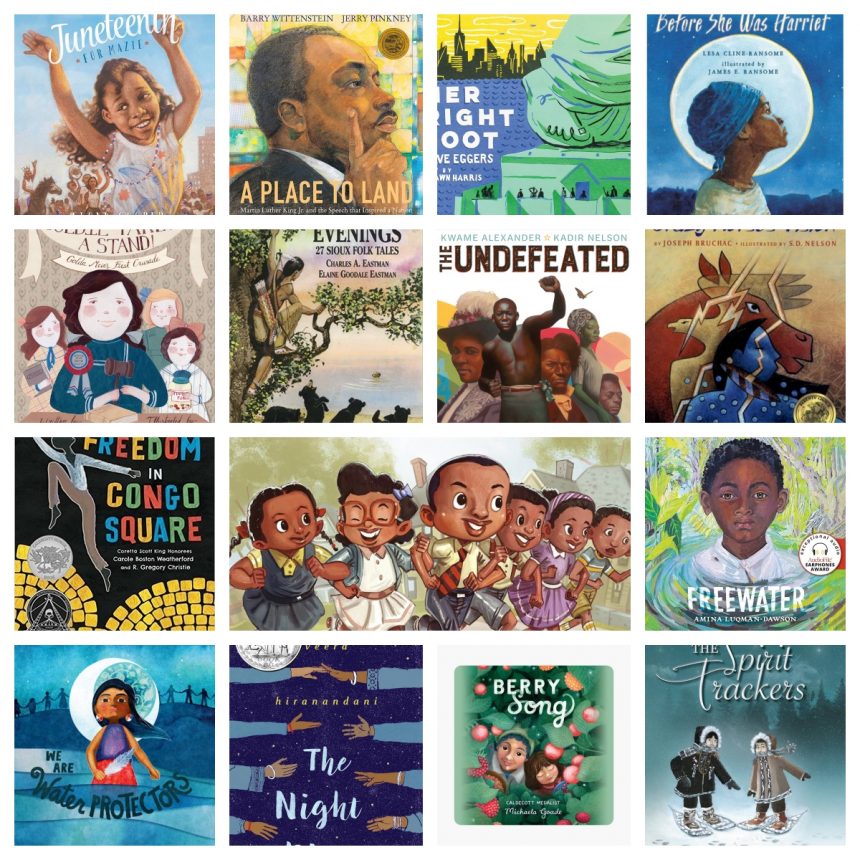
How this list was built (for transparency): These 15 stories are drawn primarily from two Epic “Learn” reading lists—one focused on kindergarten-friendly history books and one on Native American history read-alouds—then verified on Epic title pages for age ranges and basic descriptions.
In addition, we have carefully selected several storybooks that are most suitable for different age groups. Together, they form the book list featured in this blog, which is introduced according to age distribution.
5 top history stories for kids: K – 1
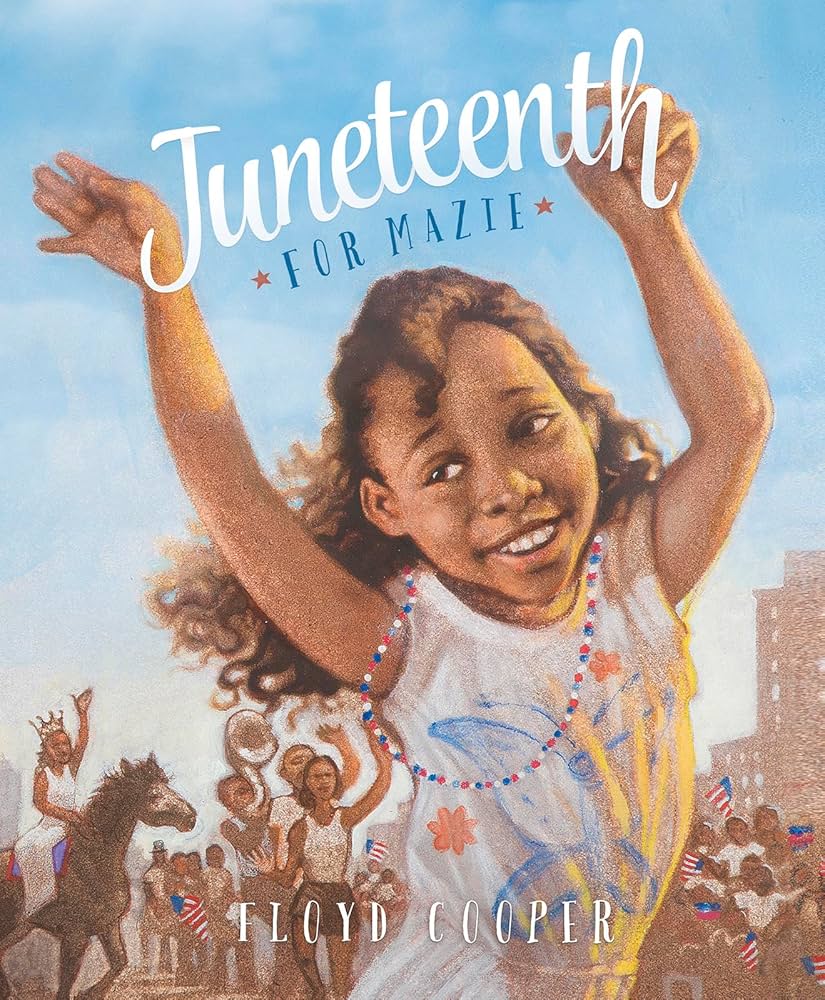
Juneteenth for Mazie — Author: Floyd Cooper
Recommended age: 5–7.
Vocabulary level: developing (AR ~3.6; Lexile AD660L)
Mazie learns why Juneteenth matters through a family story, connecting celebration with the reality of emancipation and the long road to freedom. The book gives children an age-appropriate path into U.S. Black history, grounding “history” in family memory and meaning.
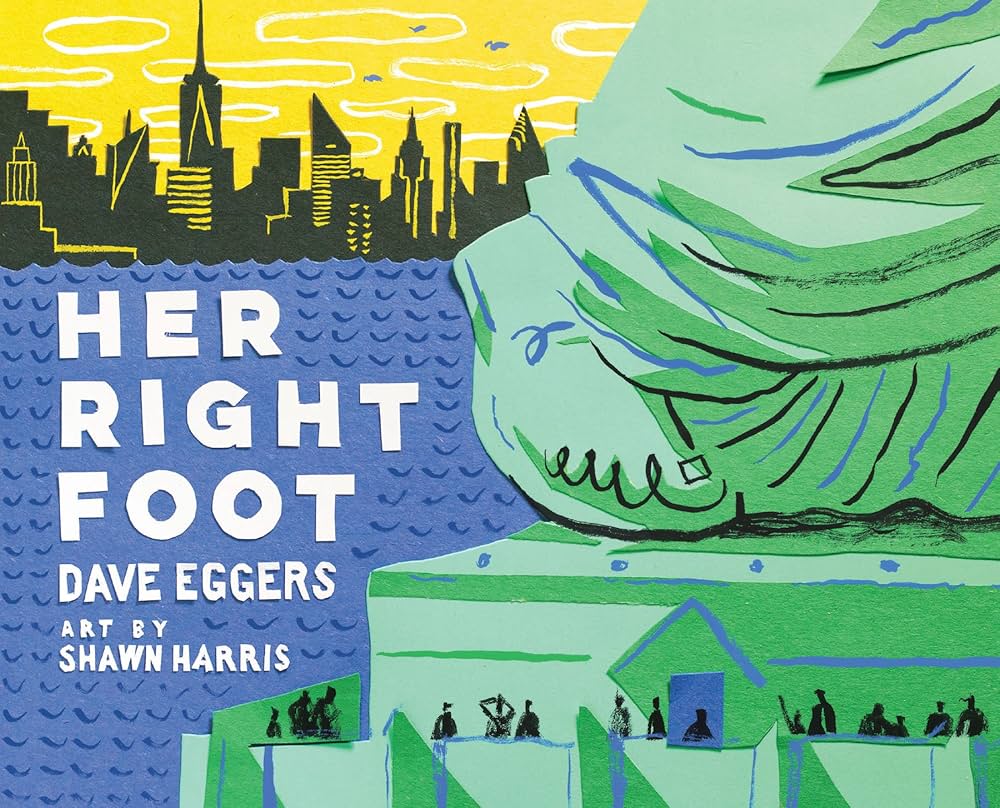
Her Right Foot — Author: Dave Eggers
Recommended age: 5–7.
Vocabulary level: developing (AR ~4.5; Lexile NC800L
This story points kids to a surprising detail about the Statue of Liberty—her moving, forward-stepping foot—and uses it to talk about welcome, immigration, and national ideals. It invites children to connect symbols to values: Who is welcomed? What does “freedom” look like in practice?
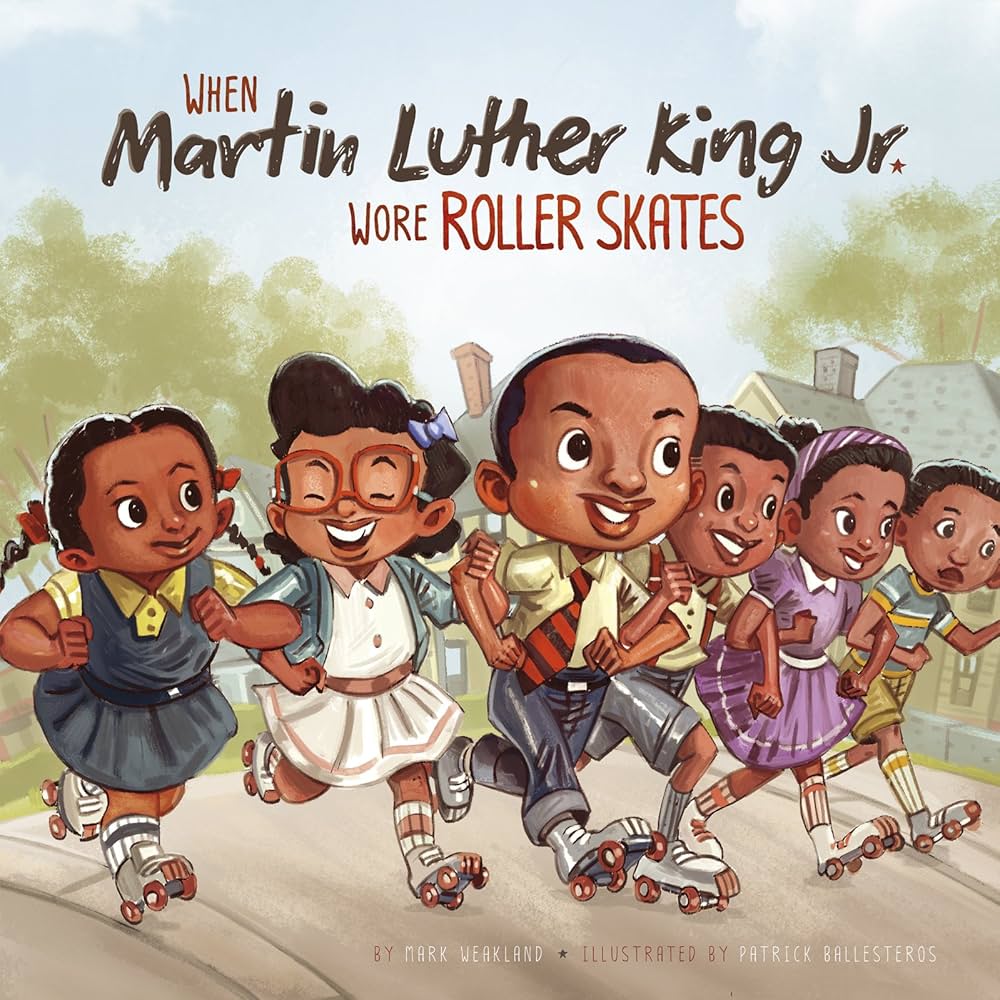
When Martin Luther King Jr. Wore Roller Skates — Author: Mark Weakland
Recommended age: 5–7.
Vocabulary level: developing (AR ~4.2; Lexile ~660L).
Instead of beginning with speeches and marches, this book starts with Martin as a child—playing, skating, learning. It supports a “leaders are people” message, then bridges to how ordinary childhood becomes extraordinary impact.
We Are Water Protectors — Author: Carole Lindstrom
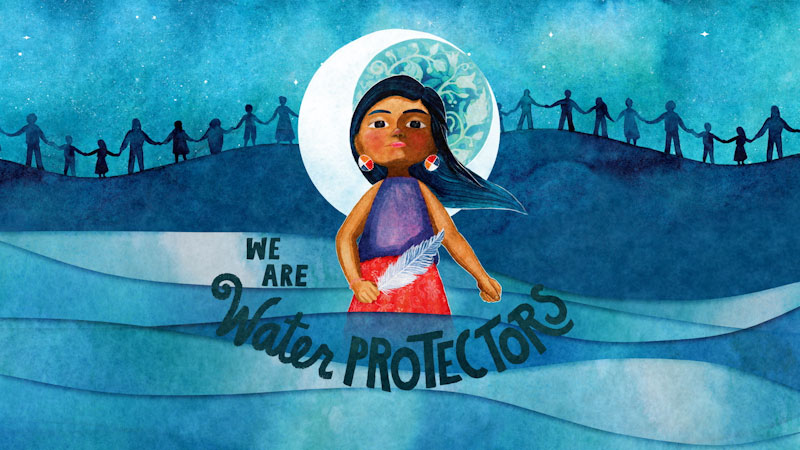
A young narrator calls her community to protect water from a “black snake” threatening land and life—an allegory rooted in real Indigenous-led environmental movements. It frames history as living: communities remember, resist harm, and protect the future.
Recommended age: 3–6
Vocabulary level: early
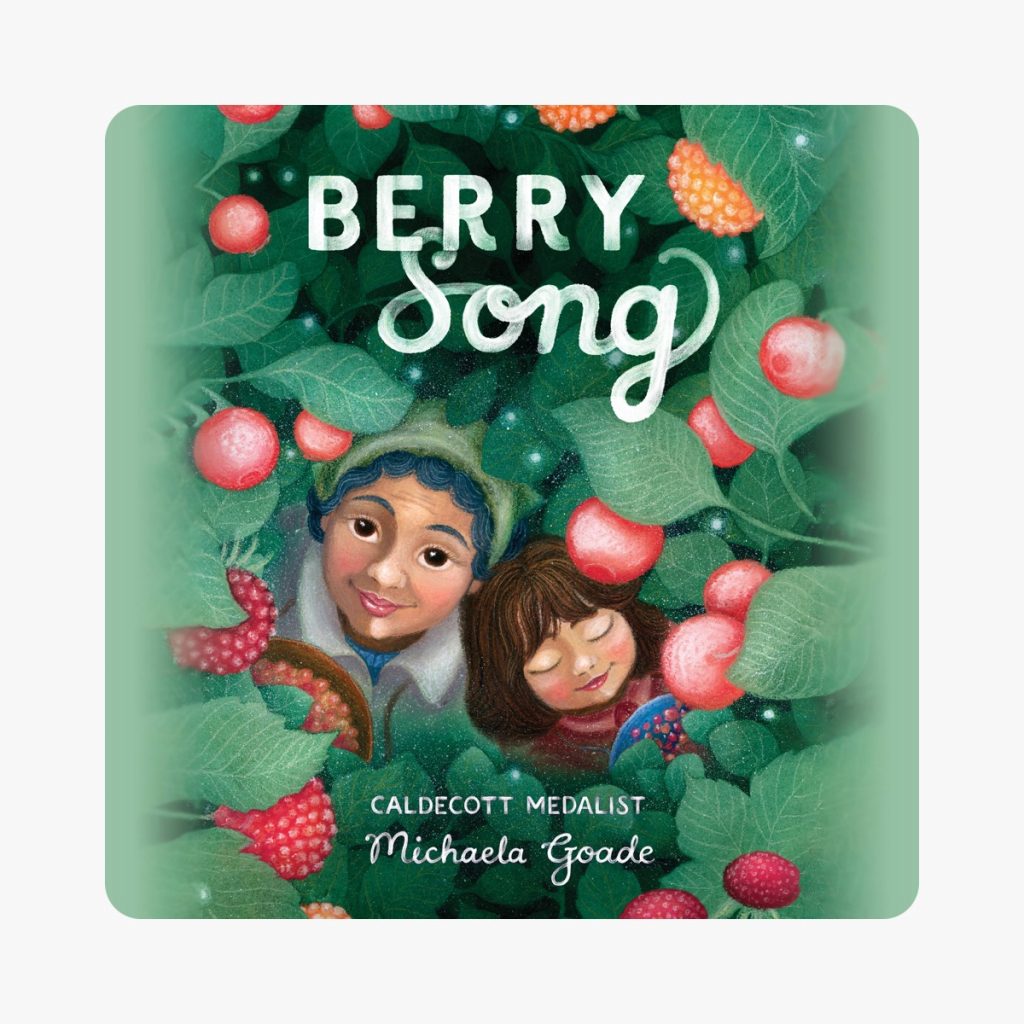
Berry Song — Author: Michaela Goade
Recommended age: 3–7 .
Vocabulary level: early
A child and grandmother gather food through the seasons—berries, fish, and other gifts of land and sea—learning gratitude, ancestral knowledge, and relationship to place. It supports “history as living culture,” showing how knowledge is passed between generations.
5 top history stories for kids: Grades 2–3
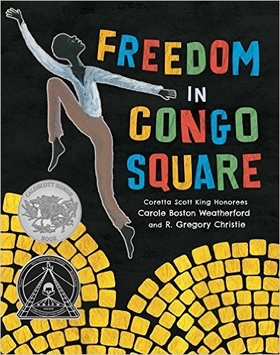
Freedom in Congo Square — Author: Carole Boston Weatherford
Recommended age: 5–7
Vocabulary level: developing (AR ~5.4; Lexile AD600L).
Set in New Orleans, this poetic narrative highlights the historic gathering space of Congo Square—where enslaved people used Sundays to drum, dance, trade, and reclaim joy and culture. It shows children that history includes resilience and community, not only oppression.
Goldie Takes a Stand: Golda Meir’s First Crusade — Author: Barbara Krasner
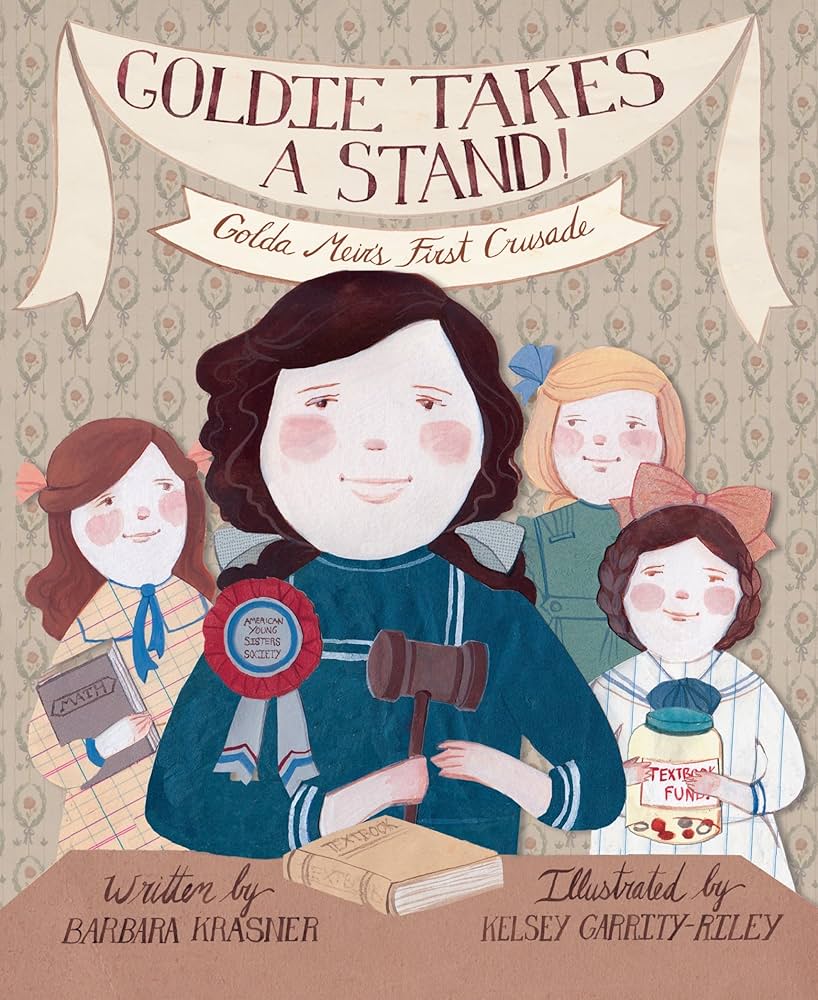
Recommended age: 5–7; useful in Grades 2–3 for “problem/solution” civic thinking.
Vocabulary level: developing (AR ~3.7; Lexile ~630L).
A young Golda (later Golda Meir) sees classmates excluded because they can’t pay—and takes action. The story makes activism concrete for children: notice unfairness, plan a response, and persist.
The Spirit Trackers — Author: Jan Bourdeau Waboose
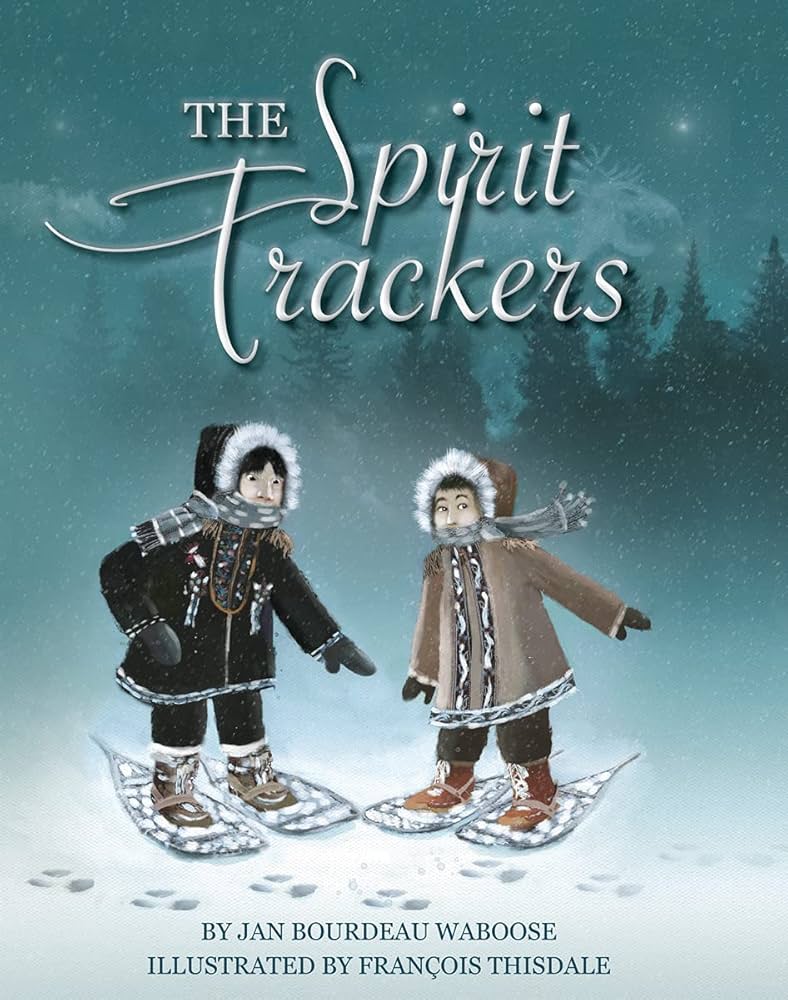
Recommended age: 5–7 on Epic.
Vocabulary level: developing.
Two cousins want to become Trackers like their uncle and learn stories that shape how they interpret the world around them. The narrative uses mystery and cultural storytelling to spark interest in Indigenous perspectives.
The Undefeated — Author: Kwame Alexander
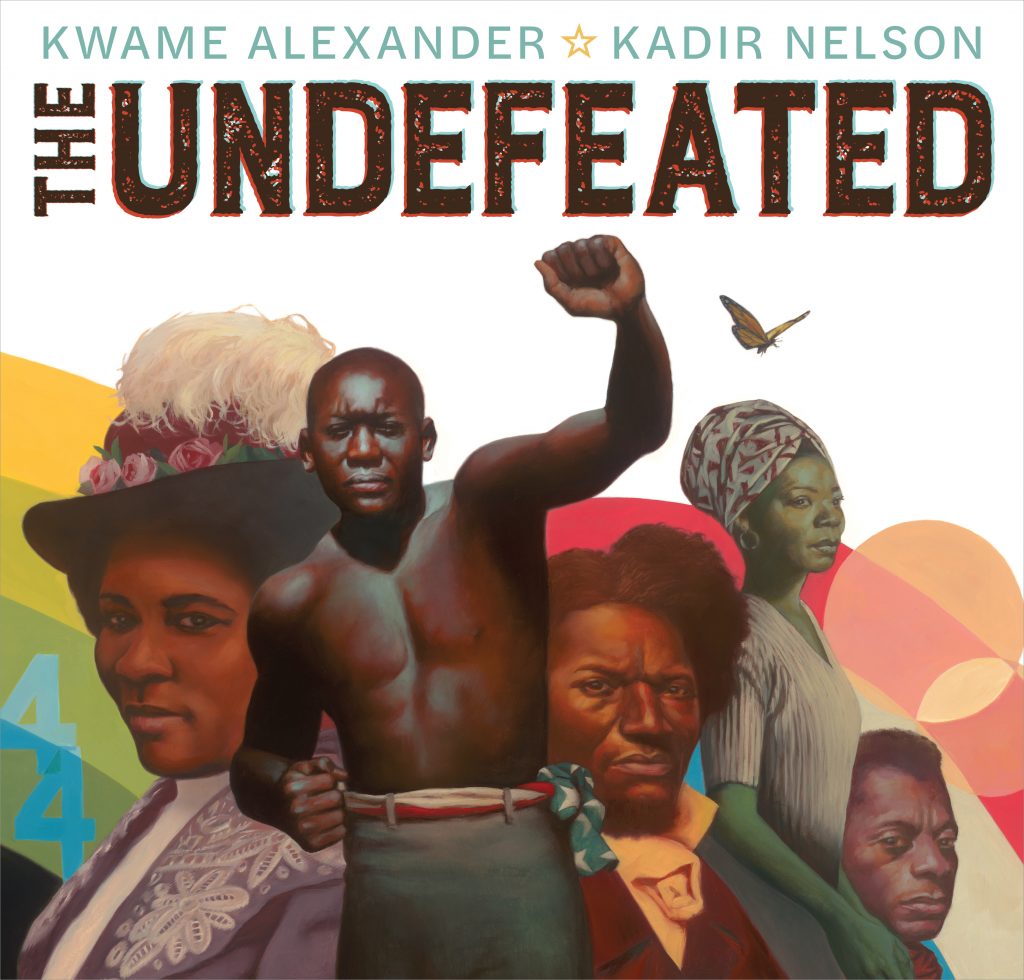
Recommended age: ~6–9.
Vocabulary level: developing to fluent.
A lyrical tribute to Black life in the U.S., honoring those who endured slavery and segregation and those who built art, culture, and freedom movements. It’s a history book in verse: emotionally resonant, image-rich, and discussion-ready.
A Place to Land — Author: Barry Wittenstein
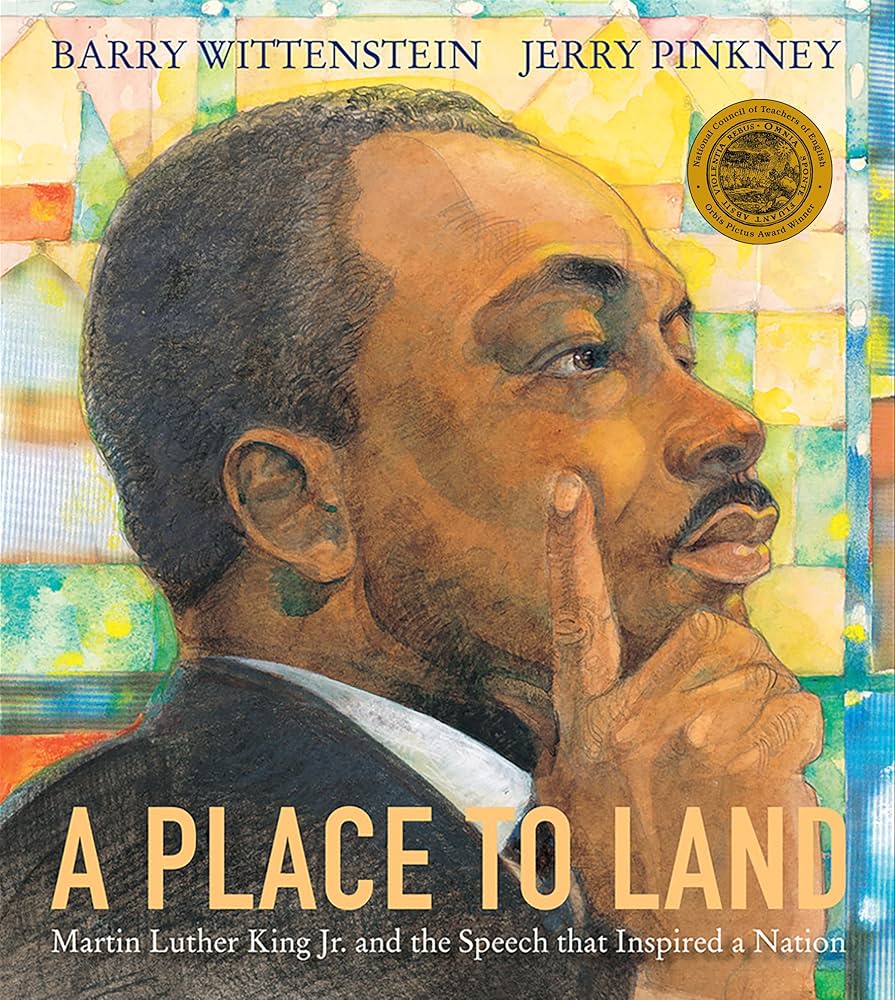
Recommended age: 8–10 (excellent upper-Grade 3 read-aloud or Grade 2–3 teacher-led text). Vocabulary level: developing to fluent
This narrative nonfiction zooms in on how Dr. King prepared for the March on Washington and refined the “I Have a Dream” speech—showing writing as part of history-making. It helps kids see how ideas, collaboration, and rhetorical choices shape events.
5 top history stories for kids: Grades 4–6
Before She Was Harriet — Author: Lesa Cline-Ransome
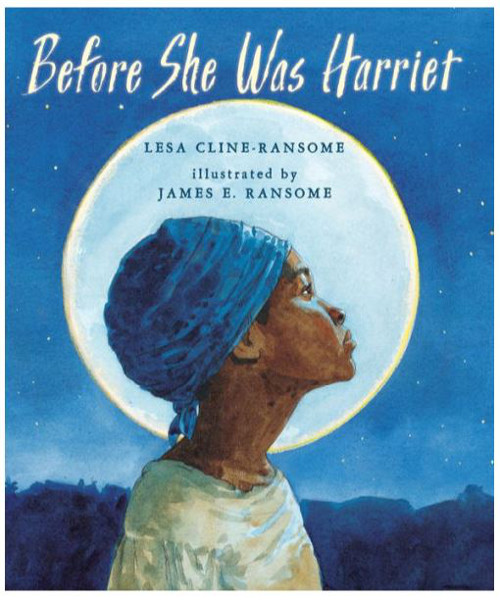
Recommended age: 8–10 (works well as Grades 4–6 ).
Vocabulary level: developing (verse biography; AR ~4.5)
A lyrical biography that traces Harriet Tubman through her changing names and roles—child, enslaved person, escapee, conductor, freedom fighter—before the world knew her as Harriet. It models how one life can contain many identities shaped by historical conditions.
Crazy Horse’s Vision — Author: Joseph Bruchac
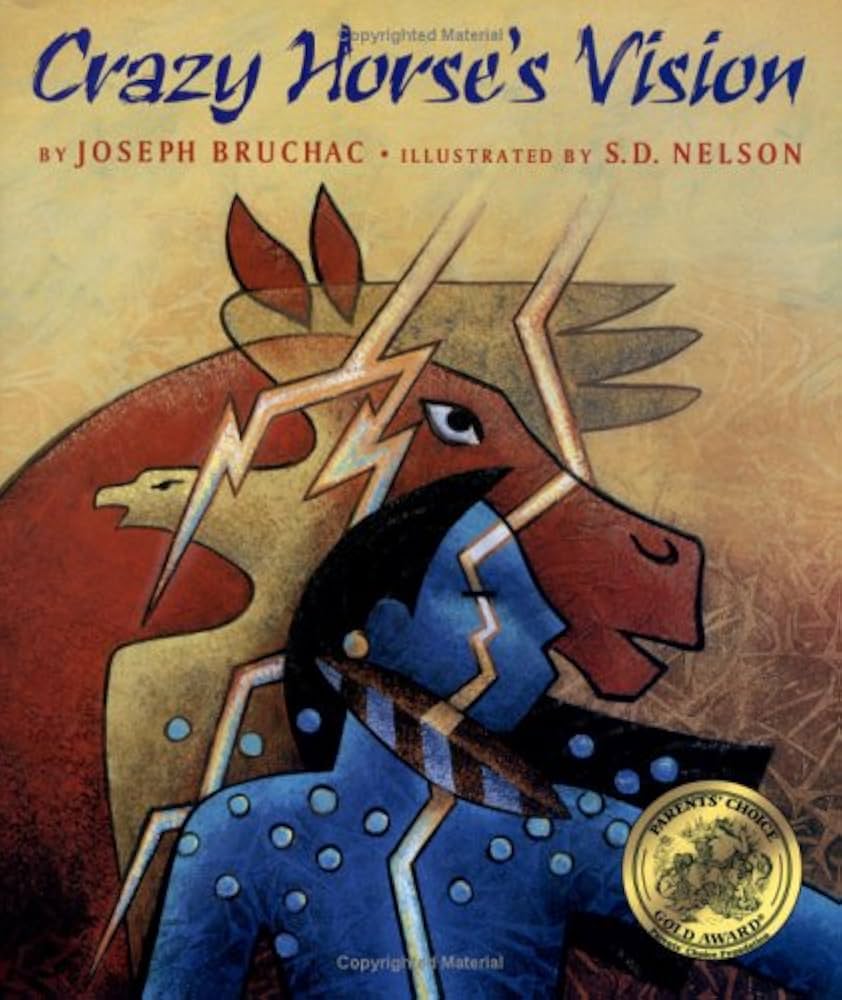
Recommended age: 8–10.
Vocabulary level: developing (AR ~3.4; Lexile ~600L).
Introduces a pivotal Lakota leader by starting in childhood—vision, responsibility, identity—and situating his life amid conflict with settlers. It invites students to compare viewpoints and recognize how history narratives differ depending on who tells them.
Wigwam Evenings: 27 Sioux Folk Tales — Author: Charles A. Eastman
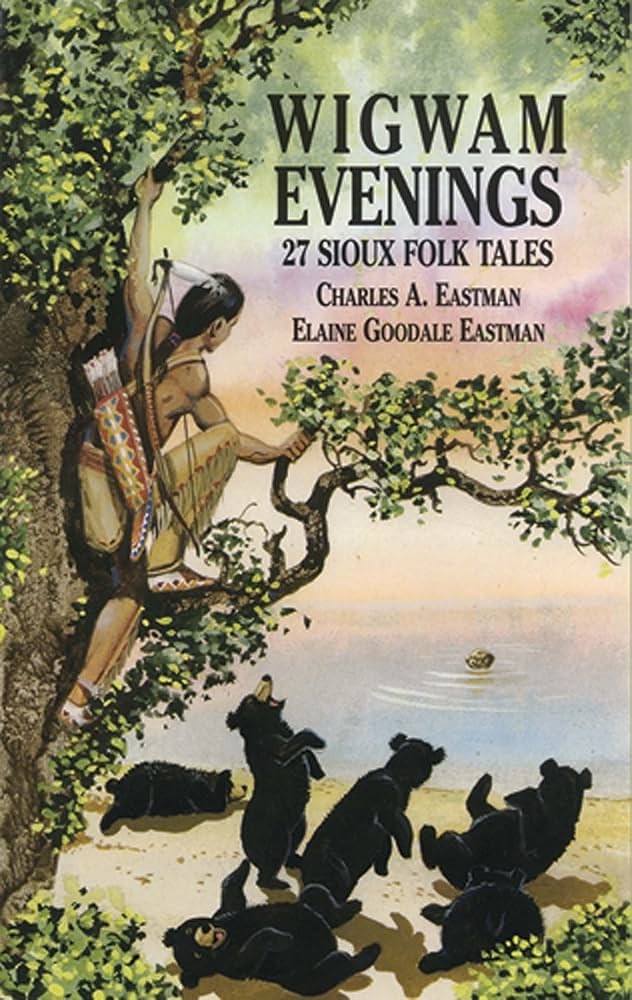
Recommended age: 8–10 on Epic.
Vocabulary level: fluent (longer read time; multiple tales; supports sustained reading).
A collection of traditional Sioux (Dakota/Lakota) folk tales—animal fables, adventure stories, creation and moral narratives—useful for comparing themes across cultures. Used well, it supports cultural respect and literary analysis
The Night Diary — Author: Veera Hiranandani
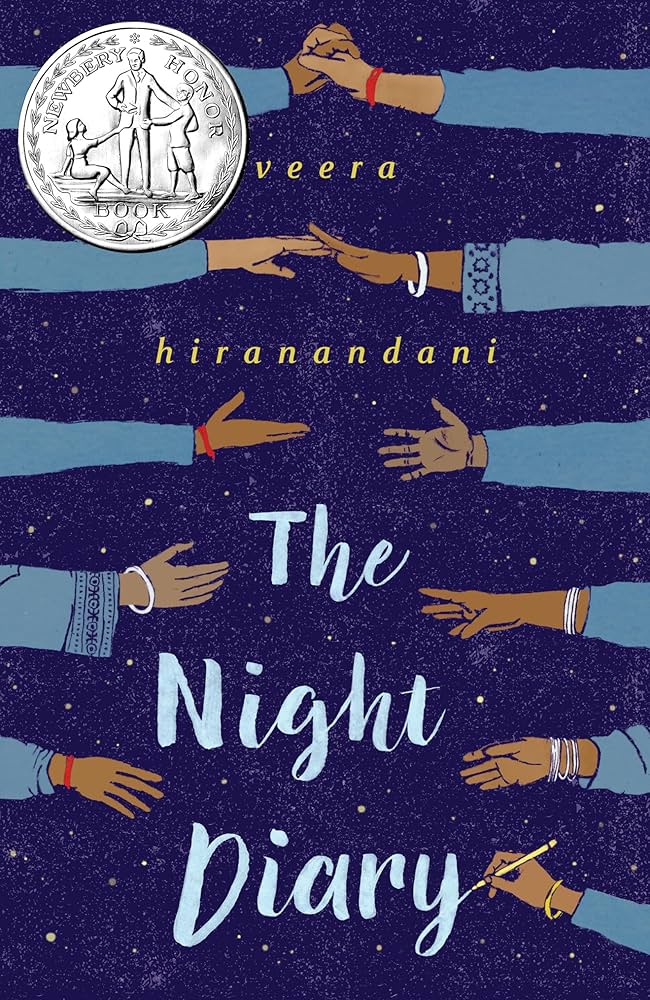
Recommended age: ~10–12.
Vocabulary level: fluent (middle-grade novel in letters).
Set during the 1947 Partition of India, a 12-year-old girl writes letters to her late mother while her family flees violence and searches for safety. The novel makes global history personal, showing how political borders reshape family life, identity, and belonging.
Freewater — Author: Amina Luqman-Dawson
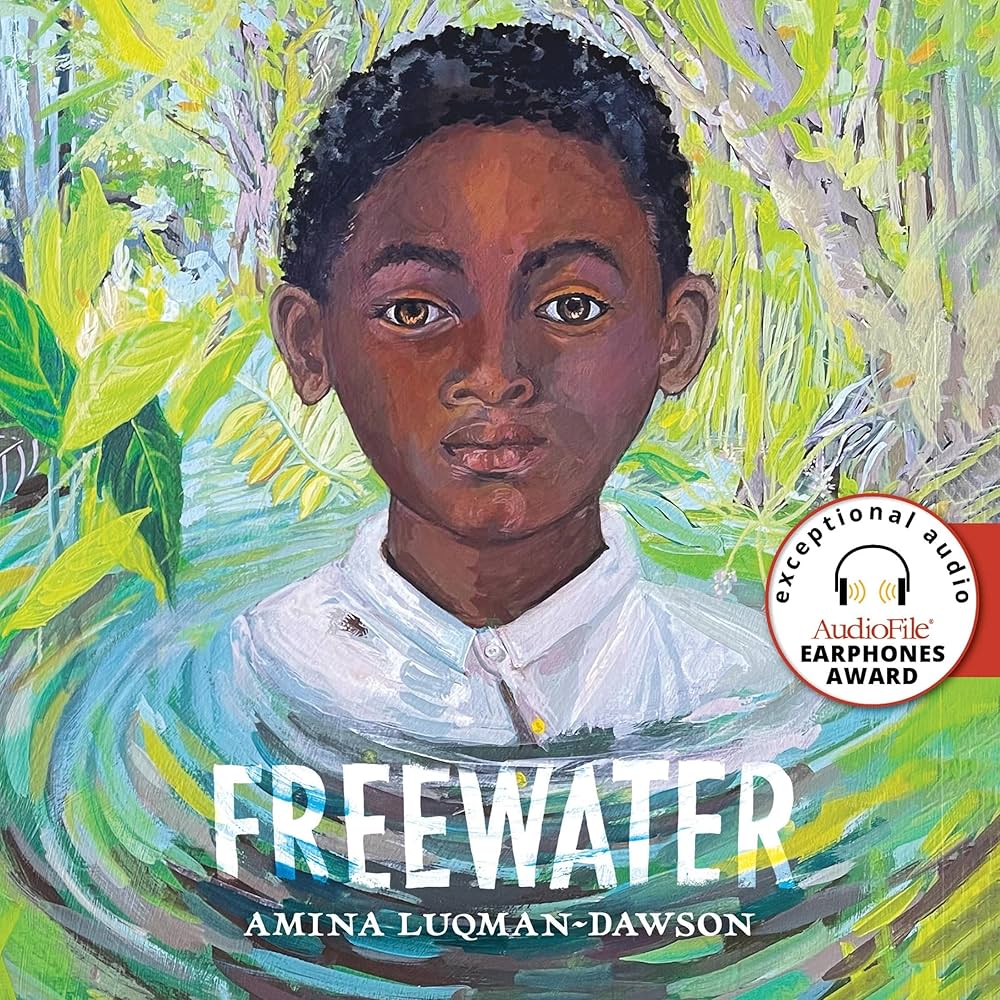
Recommended age: 8–12 (middle-grade historical fiction; award-winning).
Vocabulary level: fluent (longer novel; complex themes)
Two enslaved siblings escape a plantation and discover a hidden maroon community in the Great Dismal Swamp—then face hard choices about rescue, loyalty, and survival. The narrative helps students explore freedom as both a moral and practical problem: What does it take to build a safe community under threat?
A simple, repeatable structure that works across K–6:
Pre-read
preview 3–5 “history words” (freedom, protest, treaty, ancestor, boycott).
During
ause for one “Why?” question per spread/page (“Why do you think they chose that?”).
After
choose one response task: draw a scene, write a diary entry, map the setting, or compare two viewpoints. Research on children’s learning from picture books emphasizes that book features and adult–child interaction patterns can support learning and real-world transfer.
For older students (Grades 4–6), connect stories back to civic competence goals by adding one sourcing question: “Whose voice is centered? What is missing?” This mirrors social-studies aims to develop informed participation and civic understanding.
FAQ
Are history stories for kids “better” than informational history books?
They do different jobs. Informational texts can deliver structured facts efficiently; stories often make meaning easier to understand and remember. A meta-analysis comparing narrative and expository texts found stories tend to be better understood and recalled than essays, which is a strong argument for using story-based history as a foundation. A balanced library includes both: a story to build connection, plus an informational book to expand and verify details.
How do I support empathy without overwhelming young children?
Stay concrete and child-centered. Use short prompts: “What do they need right now?” or “Who helped?” Research on children’s storybooks and empathy suggests book-reading can support empathy, especially when adults mediate and help children reflect on characters and perspectives. If a topic is heavy (enslavement, displacement), end with safety and agency: “What would you want a grown-up to do?” or “What can our community do today?”
How can I teach critical thinking with history read-alouds in K–2?
Use “notice/wonder” and “evidence” language—without turning it into a lecture. Picture-book learning research notes young children are still learning to separate what is real from what is pretend or stylized, and adult guidance helps them decide what to transfer to real-world knowledge. Try: “Which part seems like a fact we could check? Which part is the author helping us imagine?”
What’s one simple way to build cultural understanding respectfully?
Choose books created with cultural grounding, then teach children to name the community, not just “the past.” The Epic Native American read-aloud list frames its recommendations as honoring Native histories and traditions and highlights Indigenous authors and characters. After reading, ask: “What tradition did we see? What do we still want to learn—from reliable sources?”
Conclusion
The best history stories for kids don’t just tell children what happened—they help children ask why it happened, how people felt, and what it means today. With story-forward reading, children can build empathy, practice critical thinking, and grow cultural understanding—three outcomes that matter for both literacy and citizenship.