

Mother’s Day is often presented to children as a celebration filled with cards, drawings, and small gifts. While these traditions are meaningful, they only represent the surface of what the day is truly about. For young children, especially those in preschool and early elementary years, the deeper meaning—love, appreciation, and emotional connection—is still developing.
Children naturally feel love, but understanding it is a different process. Even more challenging is learning how to express it. A child may deeply care for their mother, yet struggle to explain that feeling or translate it into meaningful action. This gap between feeling and expression is where guidance becomes essential.
Books provide that guidance in a way that feels natural rather than instructional.
Through stories, children can observe relationships, recognize emotions, and begin to understand how love is shown in everyday life. Instead of being told what appreciation means, they see it through characters and situations that feel familiar. Over time, these stories help children move from simply feeling love to understanding and expressing it.
When reading becomes part of how families approach Mother’s Day, the focus shifts. It becomes less about the activity itself and more about helping children recognize something that already exists in their lives.
Emotional Connection: Helping Children Understand What Love Feels Like
Before children can appreciate their mothers, they need a clear and stable understanding of what love feels like. This is not something that develops instantly. It grows gradually through repeated experiences and emotional reassurance.
Young children often experience love through actions—being comforted, being listened to, and being cared for. However, they do not always consciously recognize these experiences as expressions of love. Without reflection, these moments remain feelings rather than understanding.
Books help bring these feelings into focus.
Through storytelling, children begin to notice patterns. They see that love is consistent. It does not disappear when mistakes are made, and it does not change based on behavior. This realization is important because many children quietly wonder whether love can be lost.
Stories also create space for emotional recognition. When children hear characters asking questions about love, they often recognize their own unspoken thoughts. Seeing those questions answered in a calm and reassuring way helps build a sense of emotional security.
Over time, this repeated exposure allows children to internalize a simple but powerful idea: love is something steady and dependable. This understanding forms the emotional foundation for everything that follows.
Mama, Do You Love Me?
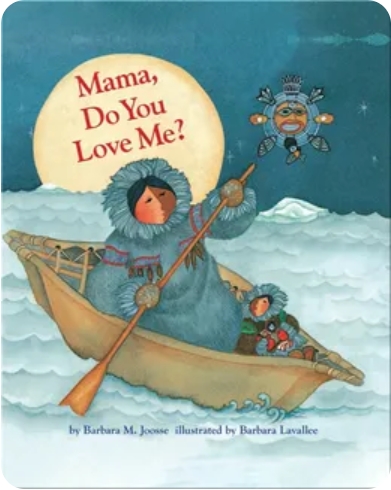
This book directly addresses one of the most fundamental emotional questions children have: whether love is unconditional. Through a series of imaginative “what if” scenarios, the child in the story tests the limits of her mother’s love, asking questions that range from playful to extreme.
The mother’s responses remain calm, consistent, and reassuring throughout. No matter what situation is imagined, her answer does not change. This repetition is what gives the story its strength. It allows children to see that love is not dependent on behavior, success, or perfection.
The pacing of the book also plays an important role. It does not rush to resolve the question but instead allows it to unfold gradually. This gives children time to absorb the message and reflect on it.
For many children, this book mirrors their own internal questions. By seeing those questions acknowledged and answered, they gain a sense of reassurance that is both emotional and lasting.
The Kissing Hand
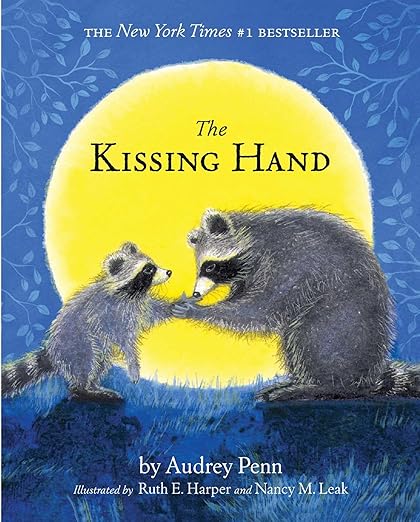
While Mama, Do You Love Me? focuses on emotional reassurance, The Kissing Hand brings that idea into a practical, real-world situation—separation. The story follows a young raccoon who is afraid to go to school because he does not want to leave his mother.
Instead of dismissing his fear, the mother offers a simple but meaningful solution: a kiss placed in his hand that he can carry with him throughout the day. This gesture transforms an abstract feeling into something tangible.
What makes this story especially effective is its realism. It acknowledges fear without trying to remove it completely. Instead, it provides a way for children to manage that feeling.
Many children respond strongly to this book because it gives them something they can replicate in their own lives. The “kissing hand” often becomes a real ritual, helping children feel connected even when they are apart from their parents.
Together, these emotional stories help children build a sense of security that allows them to move toward deeper understanding.
Understanding Mom: Helping Children Recognize Everyday Care
Once children begin to understand what love feels like, the next step is recognizing how that love appears in everyday life. This transition—from feeling to awareness—is where appreciation starts to develop.
For children, care is often invisible because it is constant. Meals appear, routines are maintained, and comfort is provided without much attention to the effort behind it. Without guidance, children may not connect these actions to the idea of love.
Books help make these everyday moments visible.
Through stories, children begin to see that love is expressed through consistent actions. They notice the small details—support, patience, and presence—that make up daily life. This shift in perspective encourages children to look beyond their own immediate experience.
Another important element is empathy. As children observe the role of a mother in a story, they begin to understand that their parent is not only there for them, but actively supporting them in many ways. This realization helps build a sense of appreciation that goes beyond simple feeling.
This stage is essential because it transforms love from something passive into something meaningful and recognizable.
The Biggest Job of All
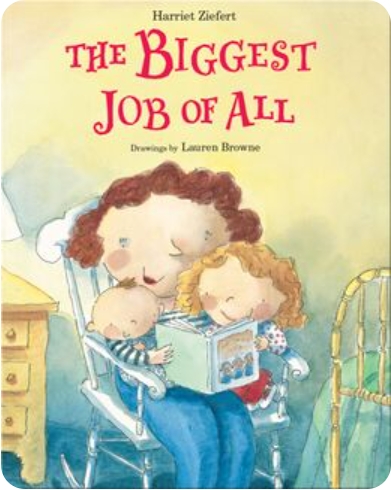
This book focuses on helping children understand the role of a mother in a broader and more intentional way. Instead of highlighting a single moment, it presents motherhood as an ongoing responsibility that involves care, effort, and attention.
What makes this book effective is its ability to shift perspective. Children begin to see that what they experience every day—being helped, supported, and guided—is the result of continuous effort.
The language is simple, but the message is significant. It encourages children to notice the small things that often go unrecognized, such as daily routines and acts of care.
Over time, this awareness leads to a deeper form of appreciation. Children begin to understand that love is not only something they feel, but something that is actively given to them.
A Chair for My Mother
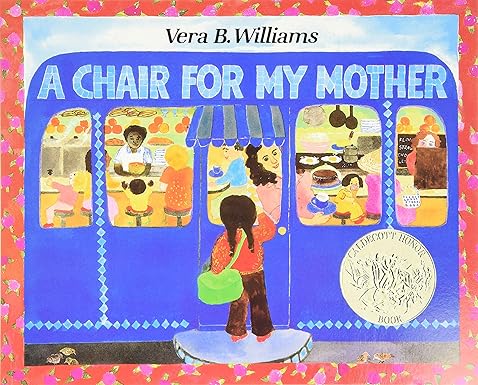
This story expands the idea of understanding by connecting love with resilience and responsibility. It follows a family working together to save money for a chair after experiencing loss.
The mother’s role is shown through her actions—working hard, supporting the family, and maintaining stability during a difficult time. This helps children see that love often appears through effort rather than words.
The story also introduces the concept of shared responsibility. Children see that appreciation can be expressed not only through feelings, but also through participation and support.
This broader perspective helps children develop a more mature understanding of relationships, preparing them to express gratitude in meaningful ways.
Celebrating Mother’s Day: Turning Understanding Into Expression
Once children understand both what love feels like and how it appears in everyday life, they are ready to express those feelings. This is where Mother’s Day becomes meaningful.
For many children, expression is the most challenging step. They may feel appreciation but not know how to show it. Without guidance, this can lead to uncertainty or hesitation.
Books that focus on celebration help bridge this gap.
They show children that appreciation does not need to be perfect or elaborate. It can be simple, thoughtful, and personal. By seeing examples of how characters express their feelings, children gain ideas they can adapt in their own way.
These stories also reduce pressure. Instead of feeling like they need to do something “right,” children begin to understand that what matters most is the intention behind their actions.
This shift allows children to approach Mother’s Day with confidence rather than uncertainty.
The Best Mother’s Day Ever
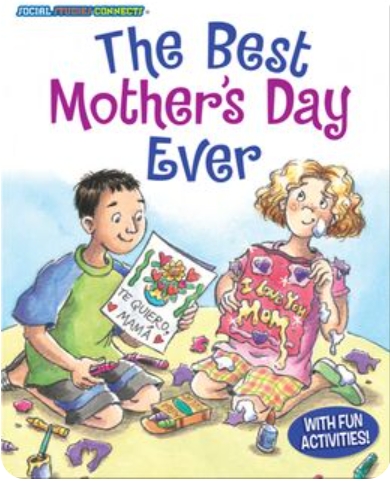
This book focuses on preparing for Mother’s Day and finding ways to make the day meaningful. The story highlights the process of thinking, planning, and expressing appreciation, rather than focusing only on the final result.
Children see that creating a special moment involves effort and intention. At the same time, the story keeps the tone light and accessible, ensuring that the message does not feel overwhelming.
One of the key strengths of this book is its emphasis on simplicity. It shows that even small gestures can carry significant emotional value when they are thoughtful.
This helps children feel confident in their ability to express appreciation, regardless of what they create or do.
Mother’s Day Surprise
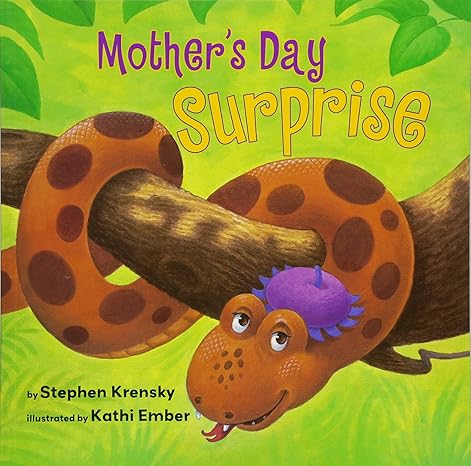
This story adds a creative dimension to the idea of celebration. It follows a character who wants to prepare something special for Mother’s Day but is unsure how to do it.
Through exploration and trial, the character discovers that meaningful expression comes from effort rather than perfection. This mirrors what many children experience when trying to show appreciation.
The story encourages creativity and reinforces the idea that there is no single “correct” way to celebrate. Each expression is unique, and that uniqueness is what makes it meaningful.
By focusing on the process rather than the outcome, the book helps children feel more comfortable expressing their feelings in their own way.
How These Books Come Together
When these books are read together, they create a clear and natural progression.
Children begin by understanding what love feels like. They then learn to recognize how that love appears in daily life. Finally, they discover how to express those feelings in a meaningful way.
This progression mirrors real emotional development. It does not rush the process but allows understanding to grow gradually.
By following this path, children are not simply participating in Mother’s Day—they are understanding it.
Final Thoughts
Mother’s Day is more than a celebration. It is an opportunity to help children understand one of the most important relationships in their lives.
Books provide a gentle and effective way to support this process. They guide children through emotional understanding, awareness, and expression in a way that feels natural and meaningful.
Over time, these stories shape how children think about love and connection. They become part of how children understand relationships and express appreciation in their own lives.
And often, the most meaningful part of Mother’s Day is not the gift or the activity, but the simple act of sharing a story and understanding what it means.
FAQs
What are the best Mother’s Day books for kids?
Books that focus on emotional connection, everyday care, and simple expressions of love are the most effective.
How do books help children express appreciation?
They provide relatable examples and help children connect emotions with actions.
At what age should children start reading these books?
Children as young as 2–3 years old can begin understanding these themes through simple stories.