
Friendship is one of the first and most important relationships children experience outside of their family. It shapes how they communicate, how they handle emotions, and how they see themselves in relation to others. And yet, for many young children, friendship can feel confusing.
One day they are happily playing together, and the next day they may argue, feel left out, or struggle to share. These ups and downs are completely normal—but they also highlight an important truth: friendship is a skill that needs to be learned, not something children automatically understand.
So how do children actually learn to be a good friend?
One of the most effective—and often overlooked—ways is through reading. Books allow children to explore friendship in a safe and structured way. Through stories, they can see what kindness looks like, understand how conflicts happen, and learn how relationships can grow stronger over time. More importantly, they begin to recognize emotions and social situations they may not yet know how to express themselves.
In this guide, we’ll explore how friendship books support children’s development—and which books can best help them build empathy, confidence, and meaningful relationships.
Why Books Are Effective for Teaching Friendship
Children do not learn social skills simply by being told what to do. Instructions like “be nice” or “share with others” are often too abstract without context. Children need examples they can see and understand.
Books provide that context.
Through stories, children can observe how characters behave in different situations. They see how kindness strengthens relationships and how misunderstandings can lead to conflict. This allows them to connect actions with outcomes in a way that feels natural rather than forced.
At the same time, books help children explore emotions. Friendship is not just about behavior—it’s also about feelings. Stories introduce children to emotions like jealousy, loneliness, happiness, and empathy, helping them recognize these feelings in themselves and others.
Another important benefit is that books create a safe learning space. In real life, social conflicts can feel overwhelming. In stories, however, children can step back and observe without pressure. This makes it easier for them to think clearly about what is happening and why.
Because of this combination—observation, emotional understanding, and safety—books become one of the most effective tools for teaching friendship.
Understanding How Children Learn Friendship Skills
Friendship is not a concept children fully understand overnight. Instead, it develops gradually through repeated exposure, experience, and reflection.
Children learn first by observing. When they repeatedly see examples of sharing, helping, and problem-solving, they begin to imitate those behaviors. This imitation often happens naturally, without direct instruction, especially when the examples are clear and relatable.
At the same time, emotional connection plays a critical role. When children relate to a character in a story, they begin to care about what happens. This emotional involvement makes the lesson more meaningful and memorable. A child who feels a character’s sadness or happiness is more likely to understand those emotions in real life.
Repetition is equally important. Reading the same story multiple times allows children to notice new details and deepen their understanding. Each reading reinforces the message and helps it become part of how they think about relationships.
Over time, these small experiences come together. What begins as simple observation gradually becomes real-life behavior, helping children navigate friendships with greater confidence.
Best Books About Friendship for Kids
The following books provide meaningful examples of friendship, kindness, and social growth. Each one highlights different aspects of building relationships, giving children a well-rounded understanding of what it means to be a good friend.
We Need Each Other: Being a Good Friend(Ages: 5–7)
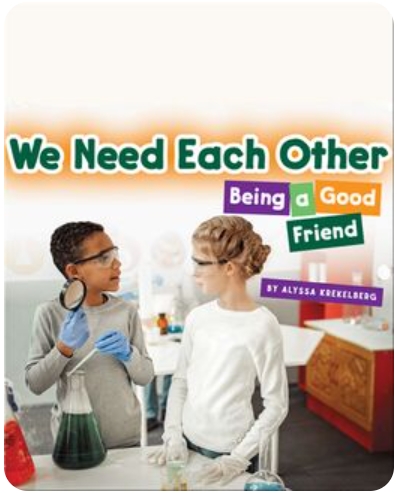
This book focuses on the idea that friendships are built through everyday actions such as helping, listening, and cooperating. Rather than presenting abstract ideas, it shows practical examples that children can easily recognize in their own lives.
Because the situations are simple and familiar, children can quickly understand how to apply these behaviors. They begin to see that friendship is not about grand gestures, but about consistent and thoughtful actions over time.
The Smart Kid’s Guide to Friendships(Ages: 8–10)
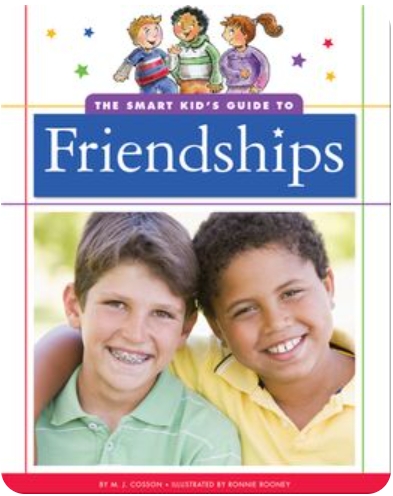
This book takes a more structured approach to friendship, explaining important concepts such as communication, boundaries, and conflict resolution. It helps children understand that friendships require effort and mutual respect.
For children who struggle with social situations, this book offers clear and practical guidance. It also introduces the idea that not all friendships are the same, helping children navigate more complex social dynamics as they grow.
Stick and Stone: A Heartwarming Friendship Adventure About Kindness and Sticking Together(Ages: 2–5)
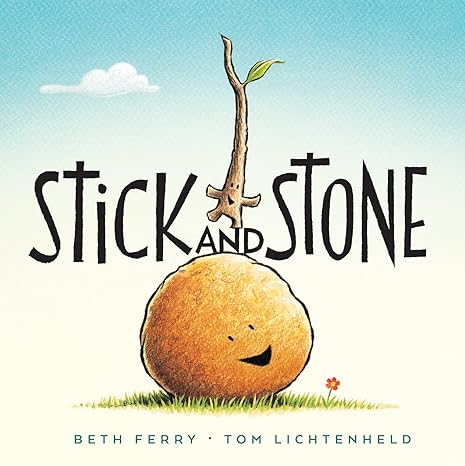
This story uses simple language and rhythm to show how friendship can begin in unexpected ways. Its playful tone makes it engaging for younger children, while its message remains clear and meaningful.
Through acts of kindness and support, the story demonstrates how relationships can form and grow. It’s especially effective for introducing basic friendship concepts to early learners.
Scaredy Squirrel Makes a Friend(Ages: 5–7)
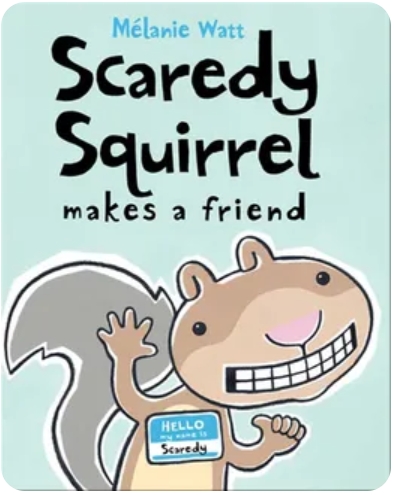
This book addresses a challenge many children face: feeling nervous about making friends. Through the main character’s experience, children learn that it’s okay to feel uncertain and that friendships can develop gradually.
This message is especially reassuring for children who are shy or hesitant in social situations. It encourages them to take small steps rather than expecting immediate confidence.
Frog and Toad Are Friends(Ages: 4–7)
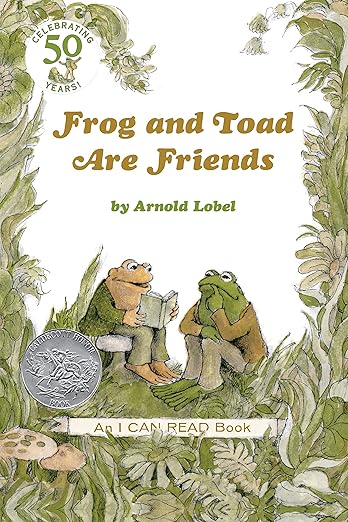
This classic book shows friendship through simple, everyday moments. Rather than focusing on big lessons, it highlights patience, understanding, and consistency.
Children can easily relate to these situations, making the lessons feel natural and realistic. It also reinforces the idea that strong friendships are built over time.
Enemy Pie(Ages: 5–8)
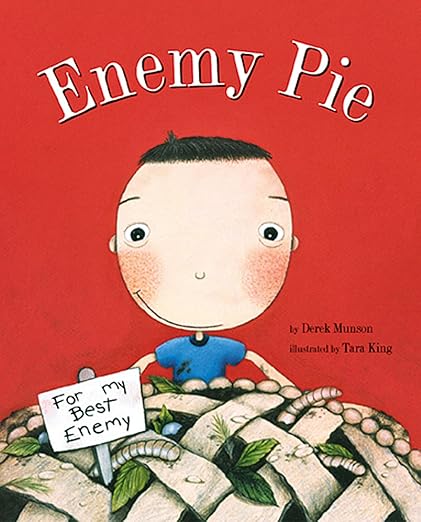
This story challenges children to rethink how they see others. It shows how misunderstandings can turn into friendships when given time and effort.
By presenting a change in perspective, the book encourages children to approach relationships with openness and curiosity rather than judgment.
A Sick Day for Amos McGee(Ages: 2–5)
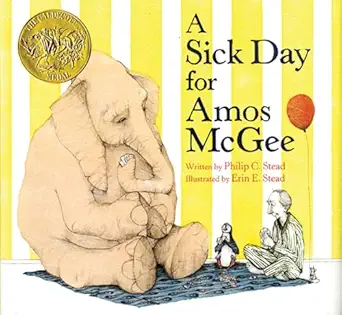
This gentle story emphasizes the importance of caring for others. It shows that friendship includes being present and supportive, not just having fun together.
This helps children understand that empathy and compassion are essential parts of relationships.
Be Kind(Ages: 3–6)
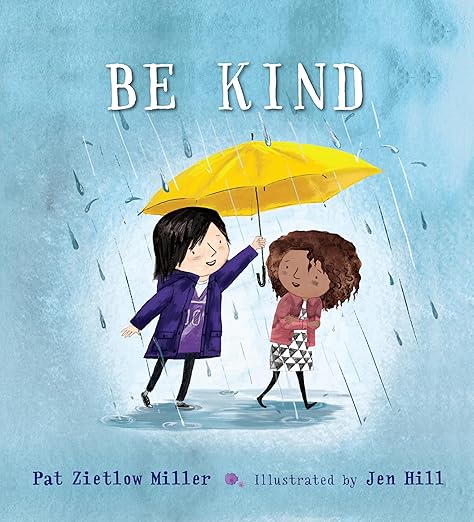
This book explores kindness through everyday situations, encouraging children to think about how their actions affect others.
By focusing on small, meaningful choices, it helps children see that kindness is something they can practice every day.
How Friendship Books Help Children Handle Real-Life Situations
Friendship books do more than teach ideas—they prepare children for real-life experiences.
By observing how characters handle challenges, children learn that disagreements are a normal part of relationships. Instead of reacting impulsively, they begin to understand that problems can be solved calmly and respectfully.
At the same time, stories help children develop empathy. Seeing situations from different perspectives allows them to better understand how others feel. This is a key step in building strong and healthy friendships.
As children begin to recognize similar situations in their own lives, they feel more confident in how to respond. This confidence reduces anxiety and helps them approach social interactions more positively.
How Parents Can Help Children Apply What They Learn
Books are most effective when parents actively support the learning process.
Reading together creates opportunities for meaningful conversation. By asking simple questions and encouraging reflection, parents help children think more deeply about what they read. These discussions don’t need to be long or complex—what matters is helping children connect the story to their own thoughts and experiences.
At the same time, connecting stories to real life makes the lessons more meaningful. When children see how situations from books relate to their own friendships, they are more likely to apply what they’ve learned.
Reinforcing positive behavior is equally important. When children show kindness or cooperation, acknowledging it helps strengthen that behavior. Over time, these small moments build confidence and encourage repetition.
Finally, children learn most from what they observe. Modeling patience, kindness, and respect in everyday interactions reinforces everything they learn from books. When children see these behaviors in real life, the lessons become even more powerful.
Final Thoughts
Friendship is not something children master overnight. It develops slowly through experience, guidance, and practice. Along the way, children will make mistakes, face challenges, and learn from those experiences.
Books provide a meaningful starting point.
They offer children a way to explore relationships, understand emotions, and see how friendships grow and change over time. More importantly, they give parents a natural way to guide conversations that might otherwise feel difficult to explain.
In the end, the goal is not just for children to read about friendship—but to live it.
With the right support, the lessons children learn from stories can shape how they connect with others, handle challenges, and build relationships that last far beyond childhood.
FAQ
What are the best books about friendship for kids?
The best friendship books for kids are those that show real-life situations, clear emotions, and positive problem-solving. Books like Frog and Toad Are Friends, Stick and Stone, and Enemy Pie are widely recommended because they help children understand kindness, empathy, and how friendships develop over time. Choosing books that match your child’s age and social experience will make the biggest impact.
At what age should children start learning about friendship?
Children begin learning about friendship as early as age 2–3, even if they don’t fully understand it yet. At this stage, they start to experience sharing, parallel play, and simple social interactions. By ages 4–8, they become more aware of emotions, fairness, and relationships, making it the ideal time to introduce friendship books that teach empathy and cooperation.
How do books help children develop friendship skills?
Books help children develop friendship skills by showing examples of social behavior in context. Through stories, children can observe how characters interact, solve problems, and express emotions. This allows them to understand both actions and consequences, making it easier to apply these lessons in real-life situations.
How can parents teach kids to be a good friend?
Parents can teach children to be good friends by combining reading with real-life guidance. Reading books together, asking simple questions, and connecting stories to everyday experiences helps children understand friendship more deeply. Modeling kindness, patience, and respect in daily life also reinforces these lessons.
Why does my child struggle to make friends?
It is normal for some children to struggle with friendships, especially if they are shy, sensitive, or still learning social skills. Difficulties with communication, emotional expression, or confidence can all affect friendships. Books can help by providing examples and building understanding, while gentle support from parents helps children practice these skills over time.