
Finding books for kids who don’t like reading can be surprisingly difficult when a child has already decided that reading just isn’t for them.
Sometimes the problem is not that a child dislikes stories or learning. They may simply feel like reading takes too much effort. A long chapter can feel intimidating, the words may be difficult, or they may not have found a book that actually interests them yet.
That is where choosing the right book can make a big difference. Books for kids who don’t like reading often have something that makes the experience feel more approachable, whether that is humor, illustrations, short chapters, an exciting story, or a subject the child already loves.
And there is nothing wrong with starting with a book that feels easy or fun. A child who happily finishes a funny graphic novel is getting a very different reading experience from a child who spends twenty minutes staring at a book they do not want to open.
With that in mind, here are 20 books and series worth trying with kids who are not especially excited about reading yet.
What Makes a Good Book for a Reluctant Reader?
There is no single type of book that works for every reluctant reader.
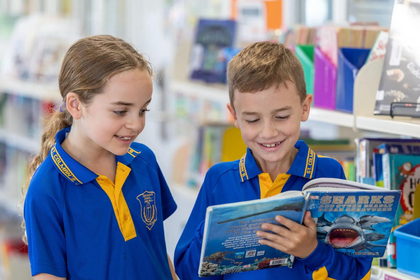
Some children want something funny. Others need lots of pictures or illustrations to help break up the text. Some want action, mysteries, animals, sports, or fantasy. A child who refuses a traditional chapter book might happily read a graphic novel or a nonfiction book about sharks.
In general, books with short chapters, visual elements, memorable characters, humor, and fast-moving stories can be good places to start. Current recommendations for reluctant readers commonly emphasize those same features because they can make a book feel less overwhelming and give children quick opportunities to feel successful.
The most important thing is to pay attention to what your child actually enjoys.
20 Best Books for Kids Who Don’t Like Reading
1. Dog Man by Dav Pilkey
If you have spent any time around elementary school kids, you have probably seen Dog Man somewhere.
The series follows a half-dog, half-human police officer through ridiculous adventures filled with comic panels, jokes, villains, and plenty of action. The graphic novel format also means that children are not facing page after page of dense text.
For a child who says they hate reading but loves silly stories, this can be a very good place to start.
Good for: Kids who love humor, comics, and action.
2. Diary of a Wimpy Kid by Jeff Kinney
Diary of a Wimpy Kid is another popular gateway into longer books for children who are not enthusiastic readers.
The diary format, cartoons, short sections, and humorous school situations make the books feel much less intimidating than a traditional novel. The series also gives kids plenty of books to move on to if they enjoy the first one.
Good for: Kids who enjoy school humor, cartoons, and relatable characters.
3. The Bad Guys by Aaron Blabey
What if a group of villains decided they wanted to become heroes?
That is the basic idea behind The Bad Guys, a funny illustrated series with short sections, comic-style artwork, and plenty of ridiculous situations.
The books move quickly, which can help children who lose interest when a story takes too long to get going.
Good for: Kids who like humor, animals, and fast-paced stories.
4. Elephant & Piggie by Mo Willems
For younger or beginning readers, Elephant & Piggie can be a great way to make reading feel more like a conversation.
The books use simple language, expressive illustrations, and lots of dialogue between the two characters. Children can often follow what is happening from the pictures while practicing the words themselves.
They are also genuinely funny, which matters when you are trying to convince a child that reading can be enjoyable.
Good for: Beginning readers and kids who enjoy funny characters.
5. Narwhal: Unicorn of the Sea! by Ben Clanton
Some kids are much more interested in reading when a book looks like a comic.
Narwhal: Unicorn of the Sea! combines short comic-style sections with simple text, colorful illustrations, and a very silly friendship between Narwhal and Jelly.
It can be a nice stepping stone for children who are ready to read more independently but are not ready for a traditional chapter book.
Good for: Younger readers who like comics and silly humor.
6. Hi! Fly Guy by Tedd Arnold
A boy who finds a fly and decides to make him his pet might sound like a strange premise, but that is part of the fun.
Hi! Fly Guy is short, silly, heavily illustrated, and approachable for children who are building their independent reading skills.
For a child who becomes frustrated by longer books, finishing an entire book can be a valuable confidence boost.
Good for: Beginning readers who enjoy animals and silly stories.
7. Captain Underpants by Dav Pilkey
Some children need a book that makes them laugh before they are willing to give reading a chance.
Captain Underpants follows two mischievous kids whose imagination gets them into increasingly ridiculous situations. The books mix traditional text with comics, illustrations, and other visual elements.
The humor will definitely not appeal to every family, but for the right child, it can be exactly the kind of book that gets them voluntarily reading.
Good for: Kids who love goofy humor, comics, and ridiculous adventures.
8. Big Nate by Lincoln Peirce
Big Nate is another strong choice for children who enjoy cartoons and school humor.
Nate is an energetic elementary school student who is constantly getting himself into trouble. The combination of comic strips, illustrations, and longer storylines gives children plenty to look at while they read.
Good for: Kids who like school stories, cartoons, and humor.
9. Magic Tree House by Mary Pope Osborne
Not every reluctant reader needs a graphic novel. Some just need a chapter book with a story that gets moving quickly.
Magic Tree House follows Jack and Annie as they travel through different times and places using a mysterious tree house. Each book gives children a new setting or historical topic to explore.
The short chapters and familiar characters can make the transition into chapter books feel much more manageable.
Good for: Kids ready for chapter books who enjoy adventure and history.
10. Mercy Watson to the Rescue by Kate DiCamillo
Mercy is a pig who believes she is a house pet, and her love of toast tends to create problems for everyone around her.
The story is funny, the illustrations help break up the text, and the chapters are short enough that younger readers can make steady progress.
This makes the book a useful bridge between picture books and longer chapter books.
Good for: Younger readers who like animals and humorous stories.
11. Who Would Win? by Jerry Pallotta
Some children would rather learn about animals than read a fictional story.
That is where nonfiction can be incredibly useful. The Who Would Win? series compares animals such as lions, sharks, crocodiles, and other creatures while presenting information in an exciting, almost competitive format.
Kids who say they do not like reading may be much more willing to pick up a book when the subject is something they already find fascinating.
Good for: Animal lovers and kids who prefer nonfiction.
12. The Investigators by John Patrick Green
Two alligator detectives, Mango and Brash, investigate ridiculous mysteries in this graphic novel series.
The books are packed with illustrations, jokes, action, and comic-style storytelling. That combination can make a longer book feel much more approachable for a child who gets overwhelmed by large blocks of text.
Good for: Kids who enjoy mysteries, animals, and graphic novels.
13. Hilo: The Boy Who Crashed to Earth by Judd Winick
For children who are ready for a bigger graphic novel adventure, Hilo follows a mysterious robot boy who falls from the sky and quickly becomes part of a much bigger adventure.
The colorful artwork and action help keep the story moving, while the characters give readers something to care about beyond the jokes.
Good for: Kids who like science fiction, action, and graphic novels.
14. The Last Kids on Earth by Max Brallier
Some reluctant readers want action from the first few pages.
The Last Kids on Earth combines monsters, adventure, humor, illustrations, and a group of kids trying to survive a very unusual situation.
The fast pace can make it a good option for readers who become bored when stories take too long to get started.
Good for: Older elementary readers who like monsters, action, and adventure.
15. Wings of Fire by Tui T. Sutherland
Dragons can be a powerful motivator for the right reader.
The Wings of Fire series follows young dragons as they become involved in a much larger conflict. There are plenty of books in the series, so children who become invested in the characters have a lot more reading waiting for them.
There are also graphic novel adaptations, which can give some readers another way into the story.
Good for: Kids who love dragons, fantasy, and adventure.
16. New Kid by Jerry Craft
Graphic novels are not only useful for younger readers. They can also help older elementary and middle school students who have trouble getting interested in traditional novels.
New Kid follows Jordan Banks as he starts at a new school and tries to figure out where he fits in. The graphic novel format makes the story approachable while still giving readers plenty to think about.
Good for: Older elementary and middle school readers who enjoy realistic stories and graphic novels.
17. Who Was? Series
For children who say they hate fiction but love learning random facts, biography series can be a great alternative.
The Who Was? books introduce young readers to historical figures, scientists, artists, athletes, entertainers, and other notable people. Each book focuses on one person, making it easy for a child to choose a subject that already interests them.
Sometimes the best book for a reluctant reader is simply the one about a person they actually want to know more about.
Good for: Kids who prefer facts, history, and real people.
18. Zoey and Sassafras by Asia Citro
Zoey and Sassafras combines science, animals, magic, and adventure in an early chapter book series.
The titular character, Zoey, uses science to help magical creatures that need her assistance, giving children a story to follow while introducing them to scientific thinking.
The books are also illustrated, which can make the transition from picture books to chapter books feel less abrupt.
Good for: Younger chapter-book readers who enjoy animals, science, and fantasy.
19. Lowriders in Space by Cathy Camper
Lowriders in Space is a colorful graphic novel that combines cars, friendship, space, and a whole lot of personality.
The story follows a group of animal friends who enter a contest with the goal of creating the ultimate lowrider. Things get even more interesting when their project takes them into space.
It is a particularly fun option for kids who might not immediately choose a traditional science book but are interested in cars, art, animals, or adventure.
Good for: Kids who enjoy graphic novels, cars, science, and humor.
20. Nationhttps://www.getepic.com/collection/23699908/weird-but-trueal Geographic Kids Weird But True!
And finally, we have a book for the child who would rather read one strange fact at a time than sit down with a 200-page story.
Weird But True! books are packed with unusual facts, photographs, illustrations, and short pieces of information. A child can open the book almost anywhere and immediately find something interesting.
That makes it a great reminder that reading does not always have to mean sitting down and reading a traditional story from beginning to end.
Good for: Kids who love facts, animals, science, and random information.
How to Choose Books for Kids Who Don’t Like Reading
Once you have a few possible books in mind, try not to make the decision completely about reading level.
Reading level is important, especially when a child is expected to read independently, but interest matters too. A child who is fascinated by sharks may be much more motivated to work through a slightly challenging nonfiction book than an easier book about a subject they do not care about.
It can also help to give children choices. Put two or three books in front of them and let them decide which one looks interesting. The goal is to give them some ownership over what they read.
And remember that graphic novels, comics, nonfiction, joke books, and illustrated books all count as reading. If a child is voluntarily reading, that is something worth encouraging.
Are Graphic Novels Good Books for Kids Who Don’t Like Reading?
Absolutely.
Some parents worry that graphic novels are somehow a shortcut compared with traditional chapter books. But children still have to follow the story, understand dialogue, interpret images, make connections between panels, and keep track of what is happening.
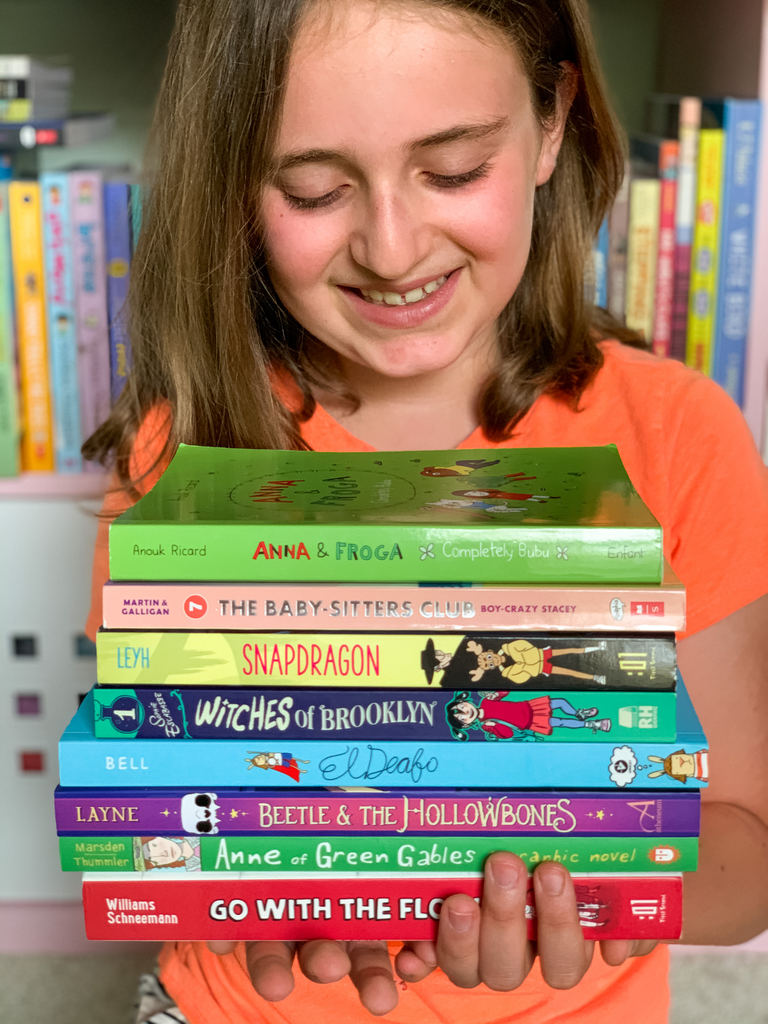
Graphic novels can also be a useful bridge for children who are intimidated by traditional books. Once a child discovers that they actually enjoy reading, they may become more willing to experiment with other formats.
What If My Child Only Wants to Read Funny Books?
Let them.
It can be tempting to push children toward books that adults consider more educational or important, but reading for enjoyment has value too.
If your child wants to read Dog Man for the fifth time, that is still reading. Spending twenty minutes with a book full of weird animal facts counts too. And when a child wants to work their way through every book in a particular series, that is a pretty good sign that you have found something that works.
The goal is to build positive reading experiences. Variety can come later.
Let Kids Explore Before Choosing a Book
One of the easiest ways to find books for kids who don’t like reading is to give them plenty of options.
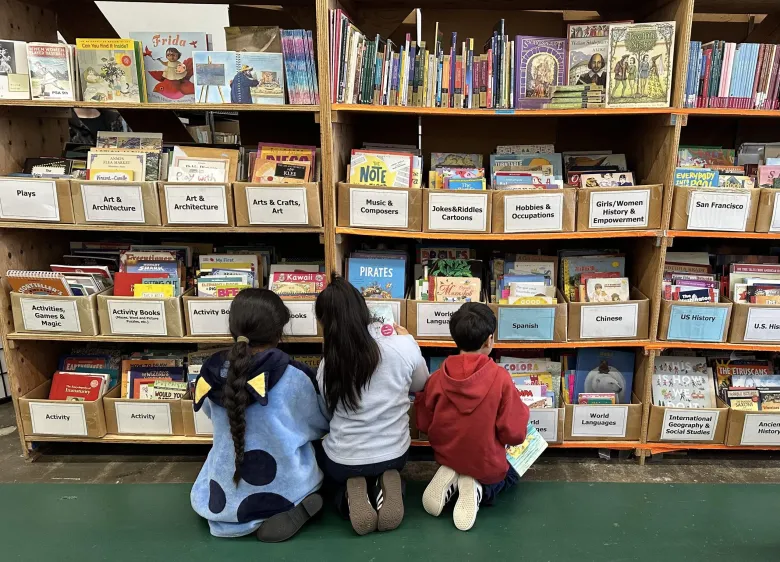
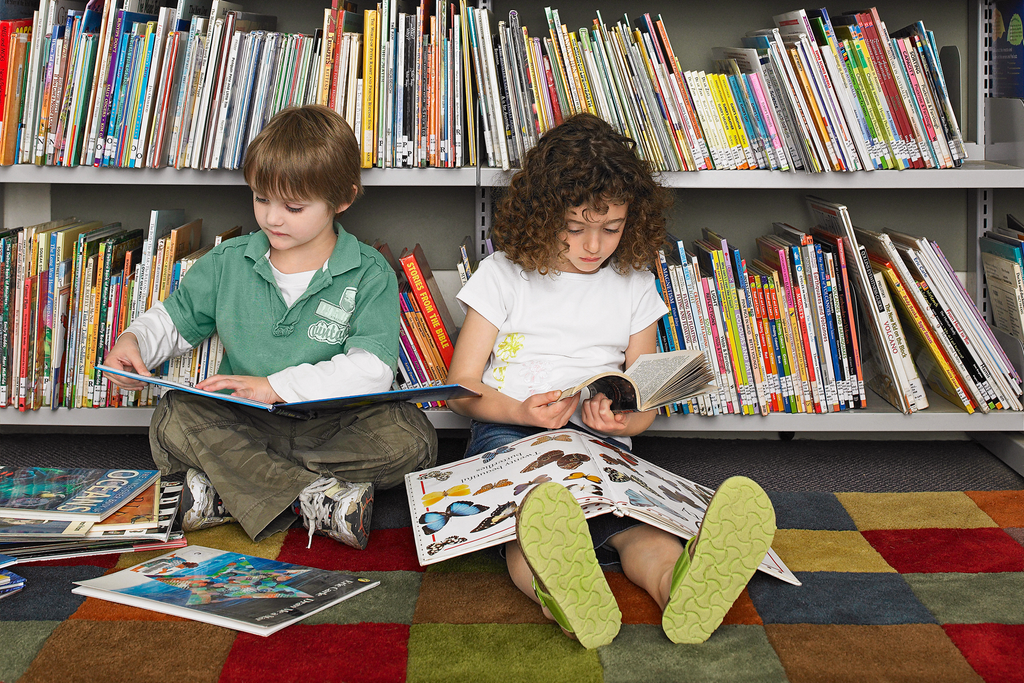
Libraries, bookstores, school libraries, and digital reading platforms can all give children a chance to browse different subjects and formats. A child might ignore ten chapter books but immediately grab a book about dinosaurs, a graphic novel about superheroes, or a collection of strange facts.
Digital reading libraries can be especially useful because children can explore different topics without having to commit to one book before they know whether they will like it. Epic, for example, offers children’s books across many subjects, genres, and reading levels, giving kids plenty of opportunities to discover what catches their attention.
What Makes a Good Book for Kids Who Don’t Like Reading?
If your child refuses every book you offer, try taking some of the pressure away.
Instead of insisting that they finish a certain number of pages, let them browse. Read a few pages together. Look at the pictures. Try an audiobook alongside the print version. Give them a choice between two completely different subjects.
You may also want to think about whether the problem is actually motivation or whether reading feels difficult for them. A child who struggles to decode words or understand what they are reading may avoid books because reading has become frustrating.
If your child consistently pushes back against reading, it can help to look at the reason behind that reaction rather than simply telling them to read more.
Final Thoughts
The best books for kids who don’t like reading are not necessarily the books adults think they should be reading.
Sometimes the perfect starting point is a graphic novel. Sometimes it is a funny chapter book, an animal encyclopedia, a biography, or a book about a subject your child already loves.
You are not trying to find the one magical book that instantly turns every reluctant reader into a bookworm. You are trying to find one book that makes a child think, “Hey… this one is actually pretty fun.”
Once that happens, finding the next book can become a whole lot easier.
FAQ: Books for Kids Who Don’t Like Reading
What Are the Best Books for Kids Who Don’t Like Reading?
Funny, illustrated, short, or highly engaging books can be a good starting point. Popular options include Dog Man, Diary of a Wimpy Kid, The Bad Guys, Magic Tree House, and Who Would Win?. The best choice depends on the child’s age and interests.
Are Graphic Novels Good for Reluctant Readers?
Yes. Graphic novels combine text and illustrations, which can make longer stories feel more approachable. They still require children to follow a plot, understand dialogue, and make connections between words and images.
Should I Make My Child Read Every Day?
Building a regular reading routine can be helpful, but the experience should not become so stressful that children begin associating books with punishment. Short, enjoyable reading sessions can be a good place to start, especially for a child who already dislikes reading.
For more ideas, see our guide on How to Build a Reading Routine for Kids That Actually Sticks.
What If My Child Only Wants to Read Books Below Their Grade Level?
It is okay for children to read books that feel comfortable. Easy books can give children opportunities to practice fluency, build confidence, and simply enjoy reading. You can gradually introduce more challenging books while still allowing them to return to favorites.
How Can I Encourage a Reluctant Reader?
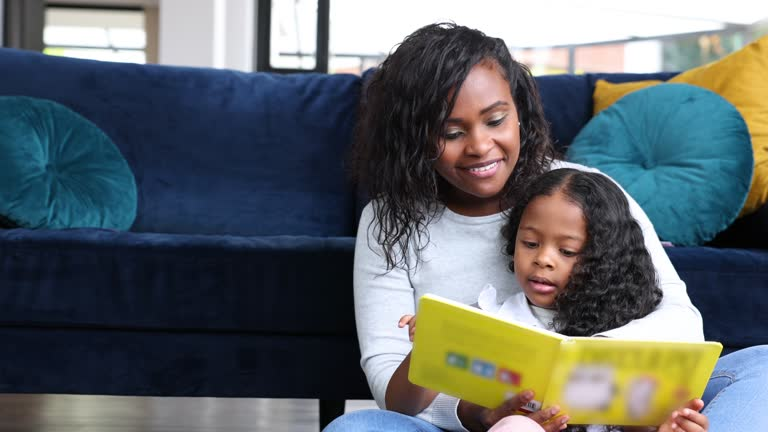
Start with their interests and give them choices. Try funny books, graphic novels, nonfiction, magazines, joke books, or books connected to hobbies they already enjoy. Reading together can also help take some of the pressure off independent reading.
Related Reading Resources
- Why Does My Child Hate Reading? Real Reasons and How to Help
- How to Build a Reading Routine for Kids That Actually Sticks
- What Counts as Reading for Kids?
- How to Read Aloud to Kids: A Parent’s Guide to Making Storytime Fun