
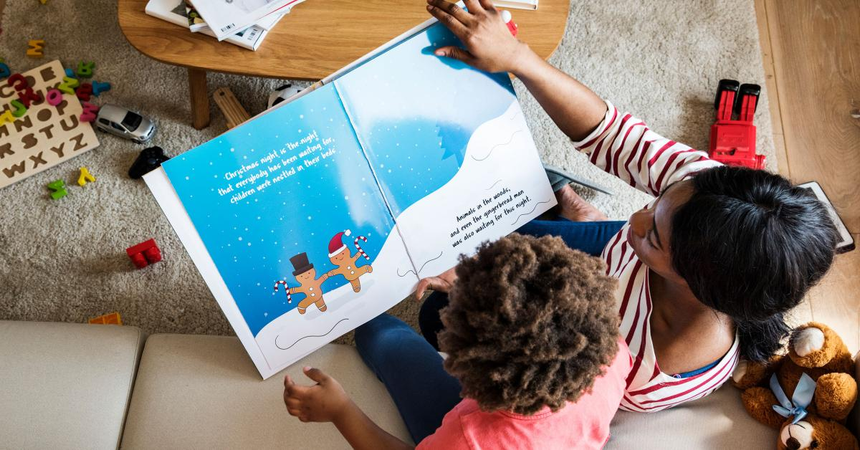
Reading aloud is one of the simplest ways parents can support their child’s reading development at home. But knowing how to read aloud to kids in a way that keeps them interested and involved can take a little practice. The goal isn’t to make every reading session feel like a lesson. It is to make books a regular and enjoyable part of your child’s day.
Reading aloud can also continue to be valuable after children learn to read independently. A child may be able to read simple books on their own while still understanding much more complex stories when an adult reads them aloud. As we discussed in our guide to finding the right reading level for your child, a child’s listening comprehension can be ahead of their independent reading ability.
For parents who want to make reading a bigger part of their child’s routine, read-aloud time is a great place to start. Here are some simple ways to make reading aloud to kids enjoyable while also supporting their literacy development.
Why Is Reading Aloud Important for Kids?
When children listen to books being read aloud, they are exposed to language that may be more complex than what they can currently read by themselves. They hear unfamiliar vocabulary in context, listen to complete sentences, and encounter stories and ideas that may be beyond their independent reading level.
Reading aloud also gives children a model for what fluent reading sounds like. They hear how a reader uses pauses, expression, punctuation, and different tones of voice. Over time, this can help children develop a better understanding of how written language works.
Reading Rockets explains that reading aloud can help children develop language, vocabulary, comprehension, and an understanding of reading as an enjoyable activity. Their guide to reading with your child also offers practical suggestions for making shared reading more interactive.
There is another benefit that is easy to overlook. Reading together gives parents and children time to talk. You can discuss what happened in the story, point out interesting details, or connect something in the book to your child’s own experiences. Those conversations are an important part of helping children understand what they read.
Choose a Book Your Child Will Actually Enjoy
One of the first things to consider when learning how to read aloud to kids is the book itself. Choose stories that match your child’s interests rather than worrying too much about whether the book is at their independent reading level.
One of the easiest ways to make reading aloud successful is to start with a book your child is interested in. You do not have to choose the most educational-looking book on the shelf. A funny story, a book about dinosaurs, a favorite character, a nonfiction book about animals, or even a book your child has already heard dozens of times can all make good choices.
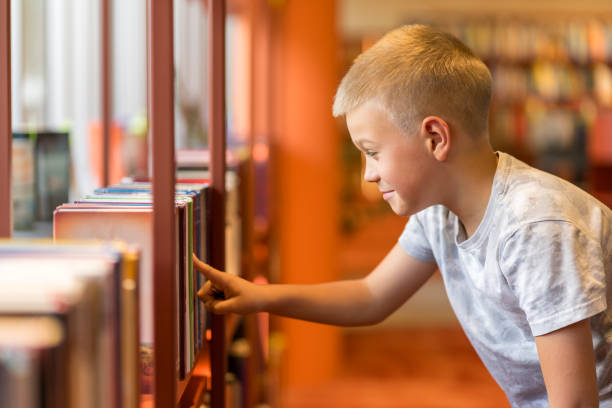
Children are more likely to stay engaged when the subject interests them. This is particularly important for children who do not naturally choose reading during their free time.
If you are unsure what level or type of book is appropriate, remember that a read-aloud book does not have to be at your child’s independent reading level. You can read a more challenging story together and let your child enjoy the vocabulary, characters, and plot without expecting them to decode every word.
Our article on what counts as reading for kids also covers why children can benefit from many different forms of reading, including audiobooks, graphic novels, comics, picture books, and digital reading.
Let Your Child See the Words and Pictures
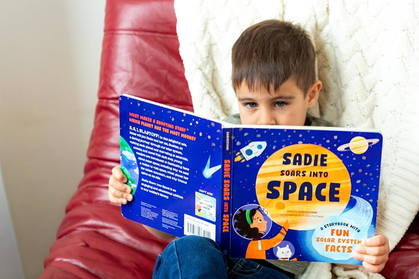
When possible, have your child sit somewhere they can see the pages while you read. This is particularly helpful for younger children who are still learning how books and print work.
You can point to words occasionally as you read and draw attention to interesting illustrations. Talk about what you notice in the pictures and give your child time to look at them. Illustrations often provide information that is not directly stated in the text, so discussing them can become part of the reading experience.
For younger children, this can also help build print awareness. They begin to notice that books have a particular structure and that the words on the page carry the story you are reading aloud.
Reading Rockets recommends letting children hold books, turn pages, look closely at illustrations, and notice different parts of the book while reading together. Their practical guide to reading aloud with children has several additional ideas parents can use at home.
Use Your Voice to Bring the Story to Life
You do not need to become a professional voice actor every time you open a picture book. Still, changing your tone and expression can make a story much more engaging for children.
If you’re wondering how to read aloud to kids without feeling like you need to be a professional storyteller, focus on making the story understandable and engaging rather than trying to perform every character.
A character who is excited might sound excited. A character who is surprised can sound surprised. You can slow down during an important moment or use a different voice when characters are speaking.
These small changes also help children understand the meaning of the story. When they hear how a sentence is spoken, they get additional information about a character’s emotions and what is happening in the scene.
You can also let your child participate. If a story has a repeated phrase, give them an opportunity to say it with you. If there are animal sounds or other repeated sounds, let them join in. This can be especially effective with younger children who enjoy predictable stories.
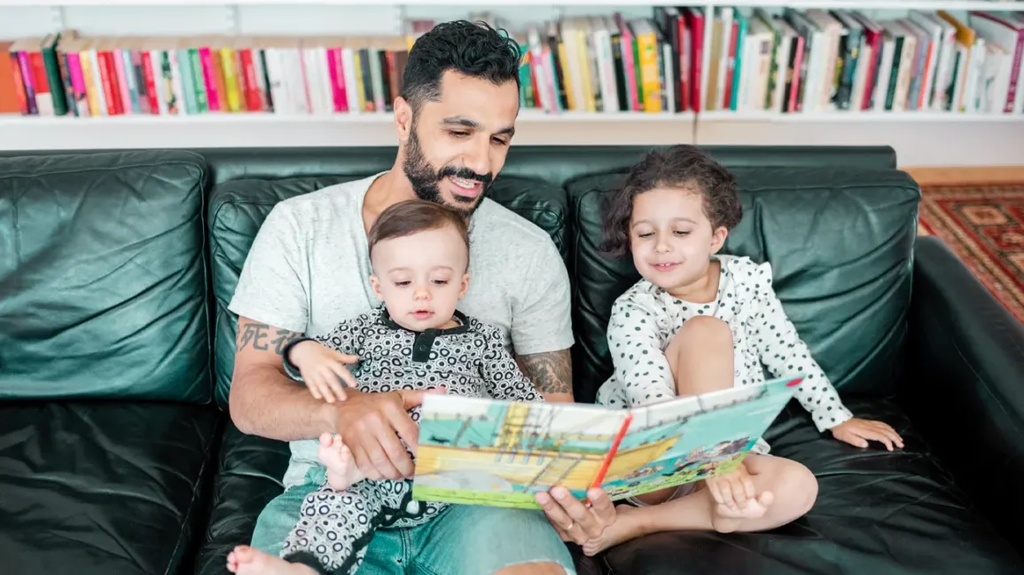
Pause and Talk About the Story
Reading aloud does not have to mean reading every page without stopping. Some of the most useful moments can happen when you pause and talk about what you are reading.
Ask your child what they think is going to happen next. Point out something interesting about a character. Talk about why a character made a particular choice. If your child notices something in the illustration, give them a chance to explain what they see.
The questions do not need to feel like a quiz. A simple conversation about the story is often enough to encourage children to think more deeply about what they are hearing.
For example, instead of asking a series of comprehension questions after every page, you might say, “I wonder why she decided to do that?” and see where the conversation goes.
This type of interactive reading is sometimes called dialogic reading. Reading Rockets has a useful explanation of the PEER method for interactive read-alouds, which gives parents a simple framework for encouraging children to participate in the conversation.
Explain New Words Naturally
Read-aloud books are a great opportunity to introduce vocabulary that your child may not encounter in everyday conversation. Another part of how to read aloud to kids is helping them encounter unfamiliar words without turning the story into a vocabulary lesson.
If you come across an unfamiliar word, you can briefly explain what it means and continue reading. You do not need to stop for a formal vocabulary lesson every time your child hears a new word.
For example, if a character is described as “reluctant,” you might explain that the character is unsure about doing something or does not really want to do it. Later in the story, you can point out the word again if it becomes relevant.
Hearing new words multiple times and encountering them in different contexts can help children develop a stronger understanding of vocabulary. This is one reason reading books that are slightly more advanced than a child’s independent reading level can be useful when an adult is there to provide support.
Ask Questions, but Don’t Overdo It
Knowing how to read aloud to kids also means giving them opportunities to participate in the story. You can pause occasionally to ask what they think might happen next or why a character made a particular choice.
Questions can make reading more interactive, but asking too many can make storytime feel like schoolwork.
You do not need to stop after every paragraph and ask your child to explain what happened. If the story is interesting, allow the child to listen and enjoy it.
Instead, choose a few natural moments to ask a question or make a comment. You might ask what they think will happen next, point out something funny, or ask whether a character reminds them of someone they know.
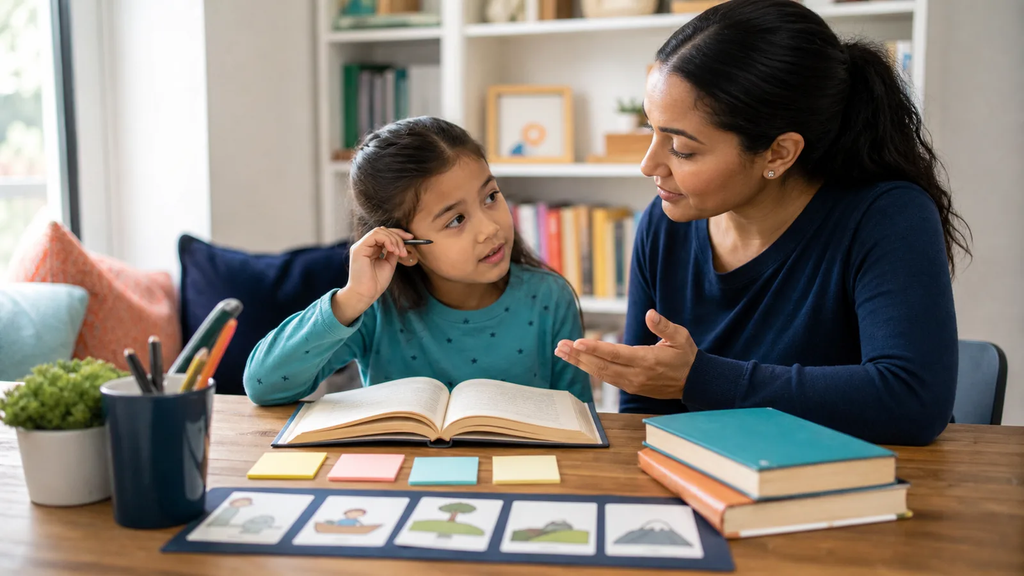
You can also follow your child’s questions. If they suddenly want to know why a character lives somewhere, how an animal behaves, or what a particular word means, that curiosity is worth following.
The goal is to have a conversation around the book rather than turn reading time into a test.
Let Your Child Participate in the Reading
As children become more familiar with a story, give them opportunities to participate in different ways.
Part of how to read aloud to kids is knowing when to let them take the lead. They may want to point at pictures, finish a familiar sentence, or stop and tell you something the story reminded them of.
A younger child might turn the pages, point to pictures, repeat a phrase, or tell you what is happening in an illustration. An older child might read a short section aloud, take the role of one character, or predict what will happen next.
You can also let your child retell a familiar story in their own words. They may not remember every detail, but being able to explain the main events shows that they are thinking about the story and its meaning.
This is especially useful for children who are still developing confidence as readers. They can participate in a book even when reading every word independently would still be difficult.
Don’t Stop Reading Aloud When Your Child Learns to Read
One common mistake parents make is assuming that read-aloud time is only necessary before a child becomes an independent reader.
Older elementary students can still benefit from being read to. Once children become independent readers, reading aloud can give them access to longer and more complex stories that they may not yet be able to read comfortably by themselves.
It can also be a nice way to continue sharing books as children get older. You might take turns reading chapters, read a longer book together, or discuss the story after each reading session.
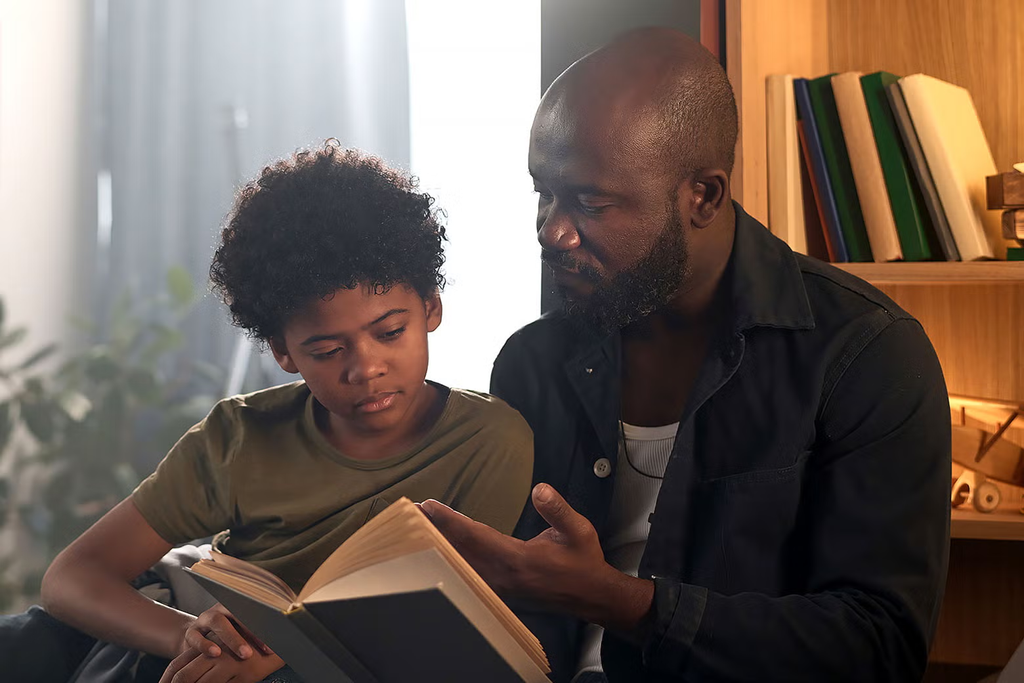
The American Academy of Pediatrics also recommends continuing to read aloud even after children learn to read on their own. Their tips for helping children enjoy reading aloud emphasize keeping reading enjoyable, allowing children to choose books, and talking about the story together.
What If My Child Won’t Sit Still During Reading?
Not every child is going to sit quietly and listen to a full book from beginning to end, especially when they are young. That does not necessarily mean they are not interested in the story.
Some children like to move around while listening. Others want to look closely at one illustration before you continue. A child may ask questions throughout the entire book or want to turn the pages themselves.
You can adjust the reading experience to fit your child. Choose shorter books, take breaks, let them hold the book, or read while they are having a quiet activity. You can also stop when they have clearly lost interest and come back to the story later.
As your child becomes more accustomed to shared reading, longer books and longer reading sessions may become easier.
Make Reading Aloud Part of Your Regular Routine
Reading aloud works best when it becomes a normal part of family life rather than something that only happens when there is a reading assignment.
You might read together before bed, after breakfast, during quiet time, or whenever there is a few minutes available during the day. The exact schedule matters less than finding a routine that works for your family.
If you are trying to establish more consistent reading habits at home, our guide on how to build a reading routine for kids that actually sticks has additional ideas for making reading part of the day.
You can also keep a few different types of books available so your child has choices. A picture book, chapter book, nonfiction book, comic, poetry collection, or digital book can all work depending on your child’s age and interests.
Final Thoughts
Learning how to read aloud to kids does not require complicated techniques or a perfectly planned reading schedule. Choose books your child enjoys, give them a chance to look at the pages, use expression while you read, and make room for conversations about the story.
As children grow, their reading needs will change, but shared reading can remain a useful part of their development. A child who is still learning basic phonics can listen to a story that is far beyond their independent reading level. An older elementary student can enjoy a chapter book with a parent even after becoming a confident reader.
Most importantly, reading aloud gives children another opportunity to experience books as something enjoyable. When children associate reading with curiosity, conversation, imagination, and time spent with the people they care about, they are more likely to see reading as something worth returning to.
Once you understand how to read aloud to kids, it becomes easier to make reading together a regular part of family life.
FAQ: Reading Aloud to Kids
How long should I read aloud to my child?
There is no single amount of time that works for every child. Younger children may only stay engaged with a story for a few minutes, while older children may enjoy much longer sessions. The important thing is to make reading a regular and enjoyable experience.
What age should parents start reading aloud?
Parents can begin reading aloud during infancy. Young children benefit from hearing language, looking at pictures, and becoming familiar with books long before they can read independently.
Should I read aloud to my child if they can already read?
Yes. Reading aloud can continue to expose children to vocabulary, stories, and ideas that may be more advanced than what they can comfortably read themselves. Older children can also enjoy discussing books with a parent or taking turns reading.
Should I ask questions while reading aloud?
Questions can make reading more interactive, but you do not need to ask them constantly. A few natural questions or comments can encourage children to think about the story without making reading feel like a test.
What should I do if my child gets distracted while I read?
Try changing the book, shortening the reading session, or letting your child participate more actively. Some children also listen better while moving or doing another quiet activity. If they have clearly lost interest, it is fine to stop and try again later.
What kind of books should I read aloud to my child?
Choose books that match your child’s interests and your purpose for reading. Picture books, chapter books, nonfiction, poetry, comics, and digital books can all work. A read-aloud book can also be more advanced than the books your child reads independently.