
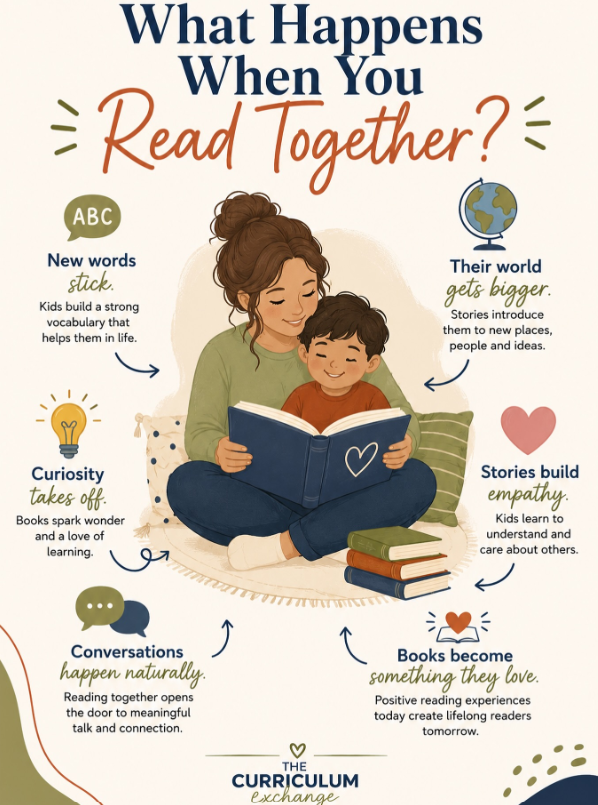
Reading is one of the best ways for children to discover new words. Learning how to build vocabulary while reading can help children understand unfamiliar words, remember new vocabulary, and become more confident readers. The good news is that vocabulary practice does not have to feel like extra homework.
Books give children many opportunities to encounter new words naturally. Parents can talk about interesting words, use context clues, connect new words to familiar ones, and encourage children to use new vocabulary in everyday conversations. With a few simple habits, reading time can become a natural opportunity for vocabulary growth.
Why Is Vocabulary Important for Young Readers?
A strong vocabulary helps children understand what they read. When children know more words, they can often understand stories, nonfiction texts, directions, and conversations more easily.
Vocabulary also connects closely to reading comprehension. If a child understands most of the words in a sentence, it becomes easier to figure out what the author is trying to say.
That is why how to build vocabulary while reading is an important part of helping children become confident readers. Vocabulary does not have to be taught separately from reading. Books provide children with a natural place to see new words in context.
Children may encounter words that they do not hear very often in everyday conversation. A book about animals might introduce words such as habitat or nocturnal. A story might use words such as enormous, mysterious, or exhausted.
The more children encounter these words, the more familiar they can become.
How to Build Vocabulary While Reading
There are many simple ways to help children learn new words during reading. You do not need to stop after every unfamiliar word. Instead, focus on words that are interesting, useful, important to the story, or likely to appear again.
Here are 10 easy strategies for how to build vocabulary while reading.
1. Stop and Talk About Interesting Words
When you come across an interesting word, pause for a moment and talk about it.
For example, imagine a story says that a character was reluctant to enter a dark room. You could ask:
“Have you heard the word reluctant before?”
Then explain it in simple language. You might say that being reluctant means not really wanting to do something.
A short conversation can be enough to help your child notice the word. There is no need to turn every new word into a long vocabulary lesson.
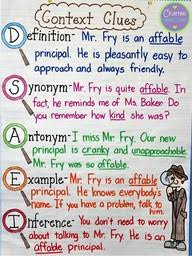
2. Use Context Clues to Build Vocabulary While Reading
Context clues are one of the most useful tools children can learn.
Instead of immediately giving your child the definition of every unfamiliar word, look at the words and sentences around it. Ask your child what they think the word might mean.
For example, if a story says that a character was famished and immediately ate three sandwiches, your child might be able to figure out that famished means very hungry.
Using context clues is an important part of how to build vocabulary while reading because children learn that they can use information around an unfamiliar word to make a reasonable guess.
Try asking:
“What do you think that word means?” “What happened before the word?” “What clues does the sentence give us?”
3. Notice Words That Appear More Than Once
Sometimes children encounter the same new word several times in different books.
When this happens, point it out.
“You saw that word in yesterday’s book, too!”
Repeated exposure can help children become more comfortable with unfamiliar vocabulary. They may understand a word better each time they encounter it.
Children do not always learn a word after seeing it only once. Seeing the same word in different situations gives them more opportunities to understand how it is used.
4. Connect New Words to Familiar Words
Children can understand new vocabulary more easily when it connects to something familiar.
For example, if a child knows the word happy, you could introduce words such as joyful, cheerful, or delighted.
You can also discuss opposites. If a character is enormous, ask what the opposite might be.
Making these connections gives children more ways to remember new vocabulary.
5. Ask Your Child to Explain New Words
After explaining a new word, ask your child to describe it in their own words.
For example:
“What does enormous mean?”
Your child might say, “It means really, really big.”
That is a perfectly useful explanation.
Children do not need to repeat a dictionary definition word for word. Explaining a word in familiar language can show that they actually understand it.
6. Use Pictures as Vocabulary Clues
Illustrations can provide helpful information, especially for younger readers.
If the text contains an unfamiliar word, look at the picture together. The illustration might show what is happening and give your child another clue about the word.
For example, a picture of a character shivering outside in the snow could help a child understand words related to being cold.
Pictures should not replace the text. Instead, they can give children another way to connect a new word with its meaning.
7. Talk About New Words After Reading
You do not always have to discuss vocabulary in the middle of a story.
If stopping would interrupt the flow of the book, keep reading and return to the words afterward.
You might ask:
“Do you remember the word we saw that meant very tired?”
“Which new word did you like?”
“Can you use one of those words in a sentence?”
Talking about vocabulary after reading can help children remember the words without turning story time into a vocabulary lesson.
If you are also working on comprehension, you can combine these conversations with 25 reading comprehension questions for kids to ask after reading.
8. Keep a Small Collection of New Words
Older children may enjoy keeping a small notebook or list of interesting words they find while reading.
The list does not need to become a formal vocabulary assignment.
A child could simply write down:
- The new word
- What they think it means
- A sentence using the word
- A small drawing
You could also keep a shared family word list. Add words that make you laugh, sound unusual, or seem especially useful.
The goal is to make children curious about language rather than make vocabulary feel like a test.
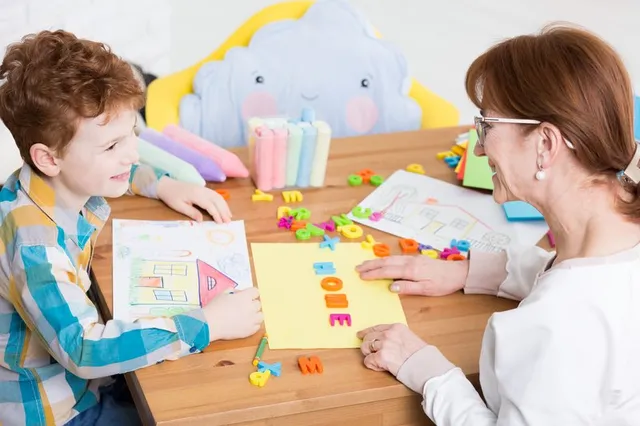
9. Encourage Kids to Use New Words
One of the best ways to make a new word stick is to use it.
If your child learns the word enormous, look for an opportunity to use it later.
“That backpack is enormous!”
You can also play with the word by asking your child to create a silly sentence.
“What would be an enormous breakfast?”
The more opportunities children have to hear and use a word, the more familiar it can become.
10. Read a Variety of Books to Build Vocabulary While Reading
Different types of books expose children to different kinds of vocabulary.
Fiction can introduce descriptive language and words connected to characters, settings, and emotions. Nonfiction can introduce subject-specific vocabulary related to science, history, animals, geography, and many other topics.
Reading different types of books is another useful part of how to build vocabulary while reading. Children do not need to read only one type of book to develop vocabulary.
Our guide on how to help kids enjoy nonfiction reading has additional ideas for making nonfiction reading more engaging.
What Should You Do When a Child Does Not Know a Word?
It is completely normal for children to encounter unfamiliar words.
When your child does not know a word, try not to make the moment feel like a quiz. Instead, treat it as a chance to investigate the word together.
First, ask your child whether they can figure it out from the sentence. Then look for context clues. If that does not work, explain the word in simple language.
You can also give an example.
For instance, if the word is enormous, you could say:
“Enormous means very big. A giant elephant could be enormous.”
The goal is understanding, not memorizing a perfect definition.
Should You Use a Dictionary While Reading?
A dictionary can be useful, but you do not need to look up every unfamiliar word.
Stopping to search for every definition can make reading feel slow and frustrating. It can also interrupt the story.
Instead, decide which words are worth investigating.
A dictionary may be especially useful when:
- The word is important to understanding the text.
- Your child has already tried using context clues.
- The word keeps appearing.
- Your child is curious about the exact meaning.
- The word has several possible meanings.
For easier words, a quick explanation may be all your child needs.
How to Build Vocabulary While Reading Without Interrupting Story Time
Some parents worry that talking about vocabulary will make reading less enjoyable.
It does not have to.
You can choose only a few words to discuss. If the story is exciting, keep reading and save the vocabulary conversation for later.
Another option is to use a quick comment rather than stopping completely.
“That word means really tired. Let’s keep going!”
This takes only a few seconds.
Remember that the goal of how to build vocabulary while reading is not to interrupt every page. Instead, help children notice and understand useful language while keeping reading enjoyable.
A relaxed reading routine is often easier to maintain than a complicated one. For more ideas, see our guide on how to build a reading routine for kids that actually sticks.
How Parents Can Model Vocabulary Learning
Children learn a lot from watching adults read and talk about words.
If you come across an unfamiliar word, you can model curiosity.
“I don’t know that word. Let me look at the sentence and see if I can figure it out.”
This shows children that not knowing a word is normal.
You can also model how to use context clues.
“I think this word might mean ___ because the character just did ___.”
This teaches children a useful reading habit without making it feel like a formal lesson.

For additional background on vocabulary development and reading comprehension, parents can also explore Reading Rockets’ vocabulary resources.
Let Kids Choose Books They Actually Enjoy
Children are more likely to spend time reading when they are interested in what they are reading.
That could mean fiction, nonfiction, comics, graphic novels, joke books, magazines, or other age-appropriate reading materials.
Reading variety can be helpful for vocabulary growth, but enjoyment matters too.
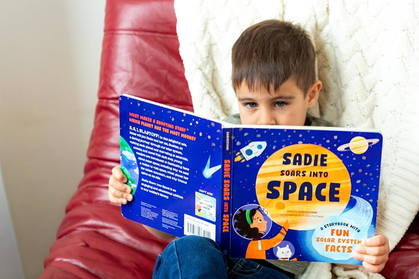
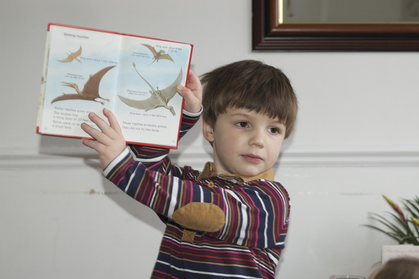
If a child loves dinosaurs, let them read about dinosaurs! They love space? Then look for books about planets and astronauts. If they love funny stories, let them read funny stories.
Reading does not have to look one specific way. Our article on what counts as reading for kids explains why different types of reading can all have value.
What About Kids Who Are Reluctant Readers?
Vocabulary practice can be especially difficult when a child already dislikes reading.
In this situation, keep the goal simple.
Start with books that match the child’s interests. Let them choose between a few options. Reading together can also make the experience feel easier. Another option is taking turns with pages or paragraphs.
It is usually better to have a child happily read for a short amount of time than to turn reading into a daily battle.
The book should also be an appropriate challenge. Too many unfamiliar words can make reading frustrating.
Our guide on how to tell if a book is the right reading level for your child can help parents think about whether a book is a good fit.
A Simple Vocabulary Routine for Reading Time
You do not need a complicated plan for how to build vocabulary while reading.
Try this simple routine:
Before reading:
Look at the title and pictures. Ask your child what they think the book might be about.
During reading:
Notice one or two interesting words. Use context clues when possible.
After reading:
Ask your child about one new word. Have them explain it or use it in a sentence.
Later:
Look for an opportunity to use the word again in conversation.
That is enough!
There is no need to create flashcards, worksheets, or tests every time your child learns a new word.
How to Build Vocabulary While Reading Over Time
Vocabulary growth happens gradually.
A child may not remember every new word from every book. That is normal. Continued exposure and repeated opportunities to hear, understand, and use new words are what matter most.
Regular reading naturally gives children more chances to encounter vocabulary in different contexts. Some words will become familiar quickly. Others may take many encounters before they become part of your child’s everyday vocabulary.
Small reading habits can make a difference over time. Keep conversations about words relaxed, encourage curiosity, and give children plenty of opportunities to read.
Final Thoughts
Learning how to build vocabulary while reading does not require complicated lessons. Books already give children countless opportunities to encounter new words.
Talk about interesting vocabulary. Use context clues. Connect new words to familiar ones. Ask children to explain words in their own language. Encourage them to use new vocabulary later.
Most importantly, keep reading enjoyable (:
When children see reading as something interesting and enjoyable, they get more opportunities to encounter language. Over time, those small moments can help build a stronger vocabulary and greater confidence as readers.
Frequently Asked Questions (FAQ)
How can I build my child’s vocabulary while reading?
The easiest way to build vocabulary while reading is to talk about a few interesting or important words. Ask your child what they think a word means, use context clues, explain unfamiliar words, and encourage your child to use new words later.
How often should I stop to explain words?
You do not need to stop for every unfamiliar word. Choose words that are important, interesting, or likely to be useful. If stopping interrupts the story, continue reading and discuss the words afterward.
Should I teach vocabulary before or after reading?
Both can work. You can introduce an especially important word before reading, but many words can be learned naturally from context during or after reading.
What are context clues?
Context clues are pieces of information surrounding an unfamiliar word that can help a reader figure out its meaning. The rest of the sentence, nearby sentences, pictures, and the events in a story can all provide clues.
Should children use a dictionary when they read?
Yes, dictionaries can be helpful. However, children do not need to look up every unfamiliar word. Encourage them to try using context clues first, especially when the word is not essential to understanding the text.
Does reading nonfiction help build vocabulary?
Yes. Nonfiction can introduce children to subject-specific vocabulary and new ideas. Books about animals, science, history, geography, and other topics can all expose children to words they may not encounter in everyday conversation.
What if my child forgets a new word?
That is completely normal. Children often need to encounter a word multiple times before it becomes familiar. Seeing the word again in another book or hearing it used in conversation can help reinforce its meaning.
Can reading comics and graphic novels help with vocabulary?
Yes. Different forms of reading can expose children to language and support reading development. The most important thing is to encourage children to read regularly and engage with material they find interesting.