
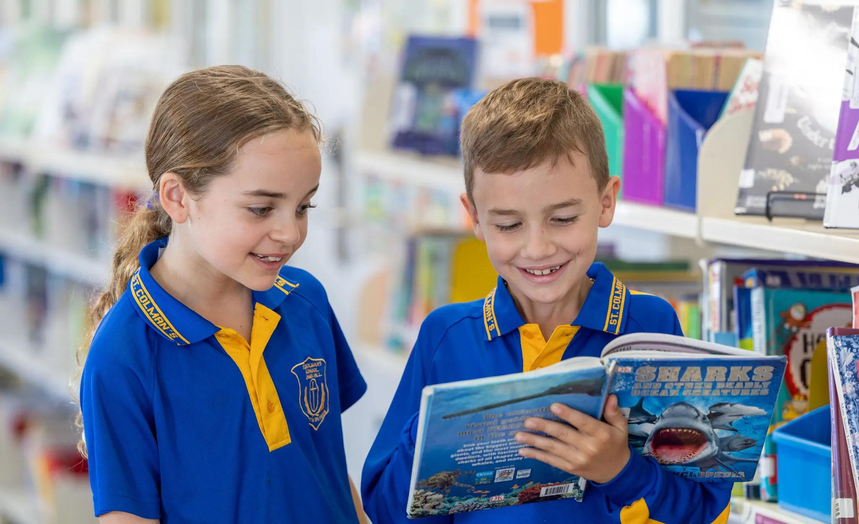
Sharks are some of the most fascinating creatures in the ocean. From their incredible senses to their impressive size, there is so much for children to discover about these amazing animals. Whether your child loves learning real animal facts or prefers funny stories with memorable characters, shark books for kids can turn their curiosity into a love of reading.
The best shark books combine interesting information, engaging illustrations, and stories that keep young readers interested. Some introduce children to real shark species and their habitats, while others use humor and adventure to make reading more enjoyable.
In this guide, we’ll explore 10 shark books for kids, including nonfiction reads, funny picture books, and exciting stories. We’ll also share tips for choosing the right book for your child, plus simple activities to help young readers build comprehension and vocabulary along the way.
Why Shark Books for Kids Are Great for Young Readers
Sharks naturally capture many children’s attention. Their sharp teeth, powerful swimming abilities, and mysterious underwater habitats make them exciting subjects for fiction and nonfiction books alike.
The best shark books for kids make it easy to explore ocean life while building reading skills and discovering fascinating animal facts. Here are a few more reasons to add shark-themed stories to your child’s reading list.
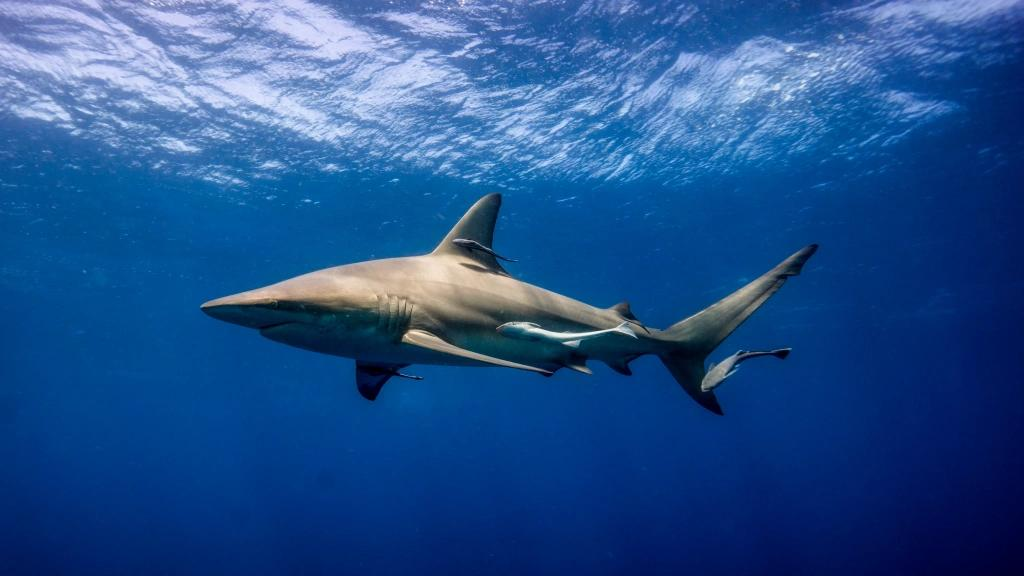
They encourage curiosity about the natural world. Shark books introduce children to ocean habitats, animal behavior, and the different species that live beneath the waves. Kids can learn how sharks find food, what they eat, and how they survive in their environments.
They make nonfiction reading more exciting. Some children find traditional informational texts difficult to get into. However, books filled with photographs, illustrations, and surprising facts can make nonfiction more approachable and enjoyable.
They help children practice reading skills. Reading about a topic that interests them can encourage children to spend more time with books. As they read, they can practice vocabulary, comprehension, and identifying important details.
They offer opportunities for discussion. A shark book can lead to questions about the ocean, conservation, and the differences between what children see in movies and what actually happens in nature.
If your child can read the words on a page but struggles to explain what they mean, take a look at our guide on what to do when a child can read but doesn’t understand.
10 Best Shark Books for Kids
The following books offer a mix of nonfiction facts, playful stories, and imaginative adventures. Some are especially helpful for children who enjoy learning about real animals, while others are great for kids who prefer stories with humor and colorful illustrations.
1. Surprising Sharks by Nicola Davies
Best for: Kids who love surprising animal facts
Sharks are often portrayed as frightening predators, but there is much more to learn about them. Surprising Sharks introduces children to the incredible variety of sharks and explains what makes these animals unique.
The book explores different shark species, their behaviors, and the ways they live in the ocean. Its engaging illustrations and accessible explanations help young readers discover facts that may challenge what they already believe about sharks.
This is a good choice for children who enjoy animal books and want to learn more about marine life. It can also encourage conversations about how different species have different needs and behaviors.
2. If Sharks Disappeared by Lily Williams
Best for: Kids interested in ocean conservation
What would happen if sharks disappeared from the ocean? If Sharks Disappeared explores this question and introduces children to the important role sharks play in marine ecosystems.
The book explains how sharks help maintain balance in ocean food webs. It also encourages readers to think about how removing one group of animals can affect many other living things.
This is a useful pick for children who enjoy asking big questions about nature. Parents and teachers can use it to discuss food chains, ecosystems, and why protecting marine animals matters.
3. Shark Lady by Jess Keating
Best for: Kids who enjoy biographies and inspiring true stories
Shark Lady tells the story of Eugenie Clark, a marine biologist whose curiosity about sharks helped her become a respected scientist.
As a child, Eugenie was fascinated by the ocean and wanted to understand sharks better. Her story shows how curiosity, determination, and a willingness to challenge other people’s assumptions can lead to meaningful discoveries.
This book is a great option for children who like learning about real people. It also introduces young readers to marine biology and shows that science can begin with something as simple as wanting to learn more about an animal.
4. National Geographic Readers: Sharks! by Anne Schreiber
Best for: Beginning nonfiction readers
For children who want to learn real facts about sharks, National Geographic Readers: Sharks! is a useful place to start. The book is available on Epic, making it an option for families who use digital books for reading practice.
This nonfiction title introduces readers to shark characteristics, different species, and life in the ocean. Its accessible format makes it a good option for children who enjoy learning information directly rather than following a fictional story.
Books like this can also help children practice identifying key details and explaining what they have learned. After reading, ask your child to share three facts about sharks or explain which shark fact surprised them the most.
5. Misunderstood Shark by Ame Dyckman
Best for: Kids who enjoy funny stories
Not every shark book needs to be packed with scientific facts. Misunderstood Shark takes a humorous approach to sharks and plays with the way people think about these ocean animals.
The story uses playful characters and an entertaining situation to keep readers engaged. Its humor can make it especially appealing to children who enjoy picture books with silly moments and unexpected twists.
This title is available as an audiobook on Epic, giving families another way to enjoy the story together. Listening while following along with a print or digital copy, when available, can help children connect spoken language with written words.
6. Clark the Shark by Bruce Hale
Best for: Young readers who enjoy school stories
Clark is an energetic shark who sometimes gets carried away by his excitement. As he navigates school and friendships, he learns that being enthusiastic is great, but it is also important to think about how his actions affect others.
Although the story is not focused on shark facts, it offers children a relatable character and opportunities to discuss self-control, classroom expectations, and friendship.
This is a good option for younger readers who enjoy funny characters and stories about everyday challenges. Parents and teachers can ask children how Clark changes throughout the story and what they might do in a similar situation.
7. The Three Little Fish and the Big Bad Shark by Ken Geist
Best for: Kids who enjoy familiar fairy tales
This playful story puts an underwater spin on the familiar tale of The Three Little Pigs. Instead of three pigs building houses, readers follow three little fish as they try to stay safe from a hungry shark.
Children who already know the original fairy tale may enjoy spotting the similarities and differences between the two stories. The familiar structure also makes it easier to predict what might happen next.
After reading, invite your child to compare the characters, setting, and events with the traditional story. This is a simple way to practice comparing texts while keeping reading fun.
8. Dude! by Aaron Reynolds
Best for: Kids who like visual humor and expressive characters
Dude! is a playful picture book that uses illustrations, expressive characters, and a simple story to create humor. It features a platypus and a beaver whose day at the beach takes an unexpected turn when they encounter a shark.
The book is a good reminder that picture books can tell a story through illustrations as well as words. Children can study the characters’ expressions and actions to figure out what is happening, even when the text is brief.
This can be especially helpful for beginning readers who are learning to use visual clues to support their understanding of a story.
9. Who Would Win? Ultimate Shark Rumble by Jerry Pallotta
Best for: Kids who love comparing animals
The Who Would Win? series introduces children to animal matchups and encourages them to compare different species. Ultimate Shark Rumble is a fun choice for kids who enjoy thinking about animal abilities and imagining how different creatures might compete.
Books in this style encourage readers to pay attention to details about size, strength, speed, and other characteristics. These comparisons can help children organize information and support their ideas with facts.
As your child reads, ask them which shark they think has the advantage and what information supports their prediction. They can then compare their answer with the book’s conclusion.
10. What If You Could Sniff Like a Shark? by Sandra Markle
Best for: Kids who enjoy unusual science questions
Children often learn best when a book answers a question they have never thought to ask. What If You Could Sniff Like a Shark? explores animal senses and encourages readers to think about how creatures experience the world differently from humans.
The book is a fun option for children who enjoy science, unusual animal abilities, and thought-provoking questions. It can also lead to discussions about how animals use their senses to find food, navigate their environments, and respond to what is happening around them.
If your child likes books that begin with a surprising question, this title can help encourage further exploration of animal science.
How to Choose the Best Shark Books for Kids
When comparing shark books for kids, consider your child’s reading level, interests, and whether they prefer real animal facts or imaginative stories. A book that captures their attention is often a better starting point than one chosen only because it seems educational.
Consider Your Child’s Reading Level
A book that is too difficult may leave a child frustrated, while one that is too easy may not give them enough opportunities to learn new skills.
Look for books with an appropriate amount of text, helpful illustrations, and vocabulary your child can understand with some support. Remember that children can enjoy books above their independent reading level when an adult reads aloud with them.
For more guidance, see our article on how to find the right reading level for kids.
Think About Fiction vs. Nonfiction
Some children want to learn facts about real sharks, while others prefer funny characters and exciting stories. Fortunately, there are plenty of options for both types of readers.
- Choose nonfiction if your child enjoys animal facts, photographs, science, and learning how the natural world works.
- Choose fiction if your child prefers characters, humor, friendship, and imaginative adventures.
- Try both if your child is still figuring out what kinds of books they enjoy.
Reading different types of books can help children discover new interests and become more comfortable with different kinds of texts.
Look for Engaging Illustrations
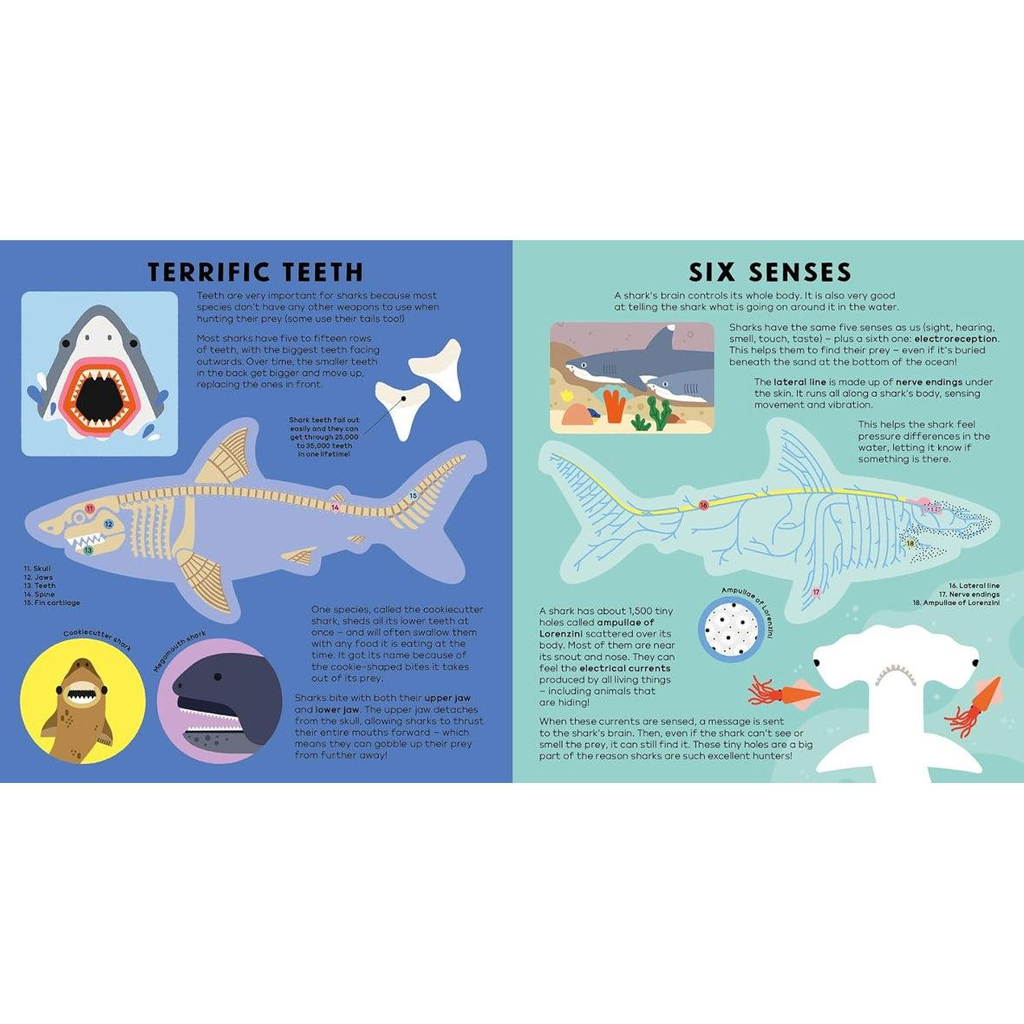
Illustrations can help children understand unfamiliar words, follow a story, and stay interested in a book. For nonfiction titles, photographs and labeled diagrams can provide additional information about shark anatomy and habitats.
Encourage your child to look closely at the pictures and explain what they notice. Even a short conversation about an illustration can help build vocabulary and comprehension.
Follow Your Child’s Interests
If your child is fascinated by the great white shark, start with a book about that species. If they prefer silly stories, choose a funny picture book instead of insisting on nonfiction.
The goal is to help children enjoy reading while giving them opportunities to learn. A book that captures their attention can be a useful starting point for exploring other subjects and genres.
Fun Reading Activities to Try After Reading Shark Books for Kids
Reading does not have to end when you reach the last page. A few simple activities can help children revisit what they learned and practice important reading skills.
1. Make a Shark Fact Sheet
Ask your child to choose a shark from one of the books and create a fact sheet about it. They can include its name, habitat, diet, size, and one surprising fact.
Younger children can draw pictures and dictate their answers, while older children can write complete sentences using information from the book.
2. Compare Two Shark Books
Choose one fiction book and one nonfiction book about sharks. Then, talk about how the books are different.
You might ask:
- Which book tells a made-up story?
- Which book teaches facts about real sharks?
- How do the illustrations help you understand each book?
- Which book did you enjoy more, and why?
This activity helps children recognize different text types and explain their opinions.
3. Create a Shark Vocabulary List
As you read, write down unfamiliar words such as habitat, predator, species, and ecosystem. Talk about what each word means and look for examples in the book.
You can also invite your child to draw a picture that represents each word or use the word in a new sentence. This extra practice helps children connect new vocabulary with ideas they already understand.
4. Ask Questions Before, During, and After Reading
Questions can help children stay engaged and think more deeply about a text.
Before reading, ask what they already know about sharks. During reading, pause to discuss something surprising or confusing. After reading, ask them to explain the main idea or share their favorite detail.
These conversations help children practice comprehension without turning every reading session into a formal test.
Final Thoughts
Shark books for kids can open the door to all kinds of reading adventures, from discovering surprising facts about real ocean animals to laughing along with funny shark characters. The right book can encourage curiosity, build vocabulary, and give children more reasons to pick up a book.
Try offering your child a mix of fiction and nonfiction, and let their interests guide the next choice. Whether they want to learn about shark senses, explore ocean habitats, or enjoy a silly underwater adventure, there is a shark book that can help make reading more engaging.
Sometimes, all it takes is one interesting book to get a child excited about reading something new.
Frequently Asked Questions
What are the best shark books for young children?
Young children often enjoy picture books with colorful illustrations, simple text, and humorous characters. Clark the Shark and The Three Little Fish and the Big Bad Shark are good options for children who enjoy playful stories. For nonfiction, National Geographic Readers: Sharks! introduces young readers to real shark facts.
Are shark books good for reluctant readers?
Yes! A subject that genuinely interests a child can make reading feel more enjoyable. If your child loves sharks, try books with plenty of illustrations, short sections, humor, or interesting facts. You can also read aloud together or take turns reading pages.
Should children start with fiction or nonfiction shark books?
There is no single right answer. Fiction can help children enjoy characters and storytelling, while nonfiction introduces facts and informational text. Start with the kind of book your child is most interested in, then gradually introduce other styles.
How can I help my child understand what they read?
Pause occasionally to ask questions about the story or information. Encourage your child to explain ideas in their own words, make predictions, and connect what they read to things they already know.
If a child can pronounce words but has difficulty explaining their meaning, they may need more practice with vocabulary and comprehension. Our guide on helping children who can read but don’t understand offers additional ideas.
Can audiobooks help children enjoy shark books?
Audiobooks can be a helpful way to experience stories, especially when children enjoy expressive narration. When an ebook or print edition is available, following along with the text can also give children a chance to connect spoken words with written words. Audiobooks can complement reading practice, although they do not replace all opportunities to practice reading printed text independently.