
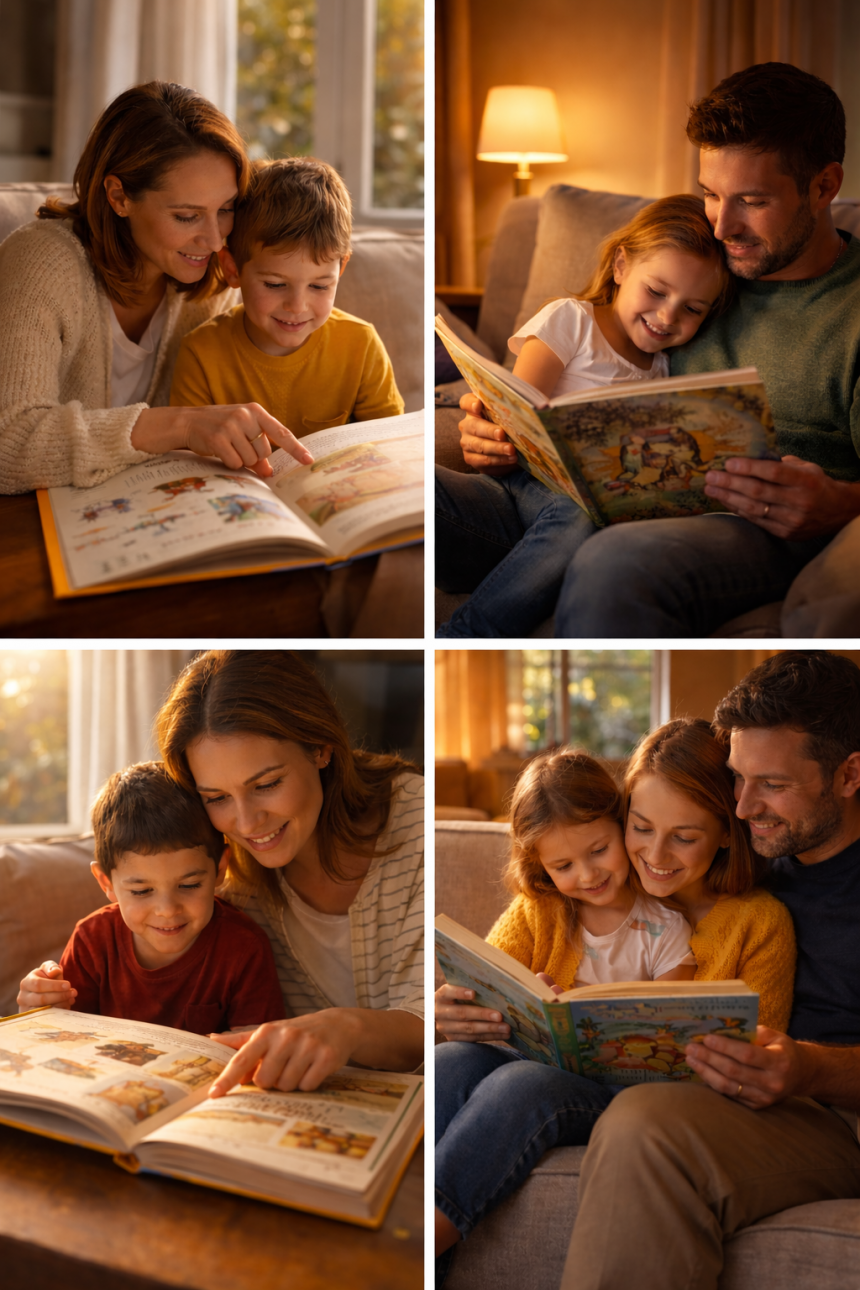
History is often seen as a difficult subject for children. Dates, events, and unfamiliar names can quickly feel overwhelming, especially for younger readers who are still developing their understanding of the world.
However, when history is introduced through stories, something changes.
Instead of memorizing facts, children begin to experience history. They imagine what life was like in different times, understand the people behind major events, and start to connect past experiences with the present.
This shift—from memorization to storytelling—is what makes history meaningful.
For parents, the challenge is not whether children can learn history, but how to present it in a way that feels engaging, relatable, and age-appropriate. And one of the most effective ways to do this is through carefully chosen books.
In this guide, we’ll explore how history books help children learn—and introduce six thoughtfully selected titles that bring history to life.
Why History Books Matter for Kids
Children are naturally curious about the world around them. They ask questions about how things work, where people come from, and why events happen. History books help answer these questions in a structured and meaningful way.
More importantly, history is not just about the past—it helps children understand the present.
When children read about historical figures, cultures, and events, they begin to see patterns. They learn how people solve problems, how societies change, and how individual actions can make a difference. These lessons are not only educational but also deeply personal.
At the same time, history books help children develop empathy.
By reading about people from different times and backgrounds, children begin to understand perspectives beyond their own. This ability to see the world through others’ experiences is essential for both emotional development and critical thinking.
Finally, history books build a sense of curiosity.
Instead of seeing history as a fixed subject, children begin to explore it as a collection of stories—stories that are still connected to their lives today.
How Children Best Learn History Through Books
Understanding history is not about memorizing timelines—it is about building meaning step by step. For young children, this process happens gradually, as they move from simple curiosity to deeper understanding. Books play a key role in guiding this journey, because they present history in ways children can see, feel, and connect with.
Starting with Stories Instead of Facts
Children learn history most effectively when it begins with stories rather than information. Instead of focusing on dates or abstract events, stories introduce history through people, experiences, and emotions.
When a child follows a character living in a different time period, history becomes something they can imagine. They begin to ask questions like, “What was life like?” or “Why did this happen?” These questions are the foundation of meaningful learning.
By starting with stories, children develop interest first—which makes it much easier to introduce facts later.
Building Understanding Through Repetition and Themes
Once children are familiar with historical storytelling, repetition helps deepen their understanding. Reading multiple books about similar topics—such as ancient civilizations, famous leaders, or cultural traditions—allows children to recognize patterns.
Instead of seeing each book as separate, they begin to connect ideas. For example, they may notice similarities between different cultures or understand how certain events influence others.
This process helps children move from isolated knowledge to a more structured understanding of history.
Developing Emotional Connection to the Past
History becomes meaningful when children can connect emotionally to what they are learning. Books that show struggles, achievements, and personal stories allow children to understand not just what happened, but how people felt.
When children feel empathy toward historical figures, they begin to care about the story. This emotional engagement makes the information more memorable and impactful.
Over time, children start to see history as a collection of human experiences rather than distant events.
Moving from Curiosity to Critical Thinking
As children grow more comfortable with historical stories, they begin to think more deeply about what they read. They start asking questions such as “Why did this happen?” or “What would I have done?”
These questions mark an important shift—from passive learning to active thinking.
Books support this transition by presenting situations that encourage reflection. Instead of simply absorbing information, children begin to analyze, compare, and form their own ideas.
Connecting the Past to the Present
The final step in learning history is understanding its relevance. Children begin to see how past events influence the world they live in today.
Books can help bridge this connection by linking historical stories to modern experiences. For example, themes like fairness, leadership, and change are easy for children to recognize in their own lives.
When children make this connection, history becomes more than just a subject—it becomes a way of understanding the world around them.
6 Best History Books for Kids
The following books were selected based on one key principle: they make history understandable, engaging, and meaningful for children.
Let Freedom Sing by Vanessa Newton
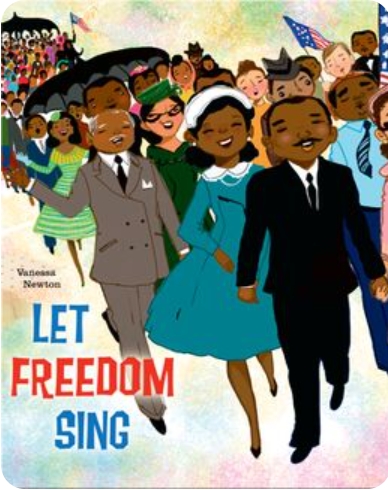
This book introduces the Civil Rights Movement in a way that is accessible to young children. Instead of focusing on complex details, it highlights the people and emotions behind the movement.
Through storytelling, children begin to understand themes like fairness, courage, and change. This makes the topic easier to grasp and more meaningful.
Egypt by Lori Dittmer
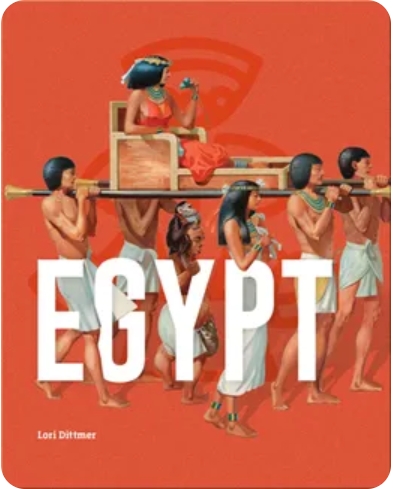
This book explores ancient Egypt through everyday life rather than abstract facts. It shows what people believed, how they lived, and what made their culture unique.
Because it focuses on relatable details, children can imagine themselves in that time period. This makes the learning experience more engaging and memorable.
The Journey of the One and Only Declaration of Independence by Judith St. George
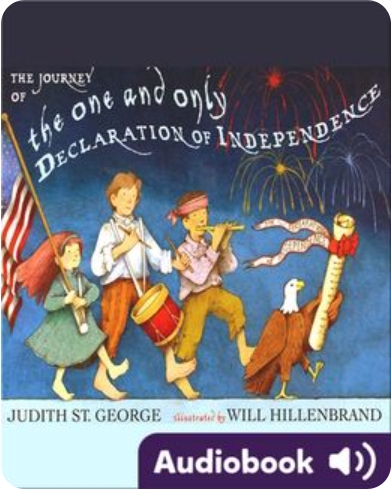
This book tells the story of an important historical document by following its journey over time. Instead of presenting it as a concept, it turns it into a narrative.
This approach helps children understand both its importance and its role in history without feeling overwhelmed.
National Geographic Kids Everything Ancient Egypt by Crispin Boyer
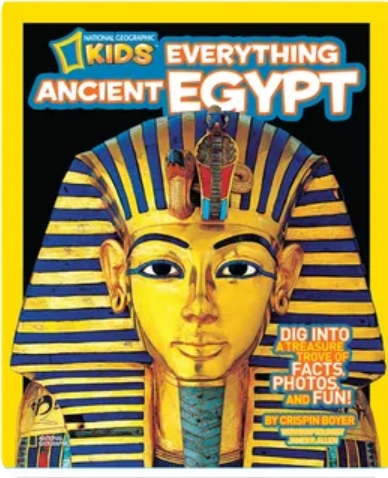
This book combines visuals, facts, and engaging explanations to explore ancient Egypt. It works well as a follow-up to story-based books, adding depth and detail.
It is especially useful for children who enjoy learning through images and exploration.
Who Was Harriet Tubman? by Yona Zeldis McDonough
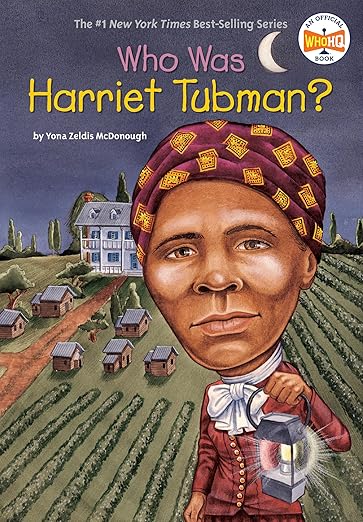
This biography introduces children to Harriet Tubman’s life in a clear and accessible way. By focusing on one person’s story, it helps children connect with history on a personal level.
It also shows how individual actions can make a lasting impact.
The Knight at Dawn by Mary Pope Osborne
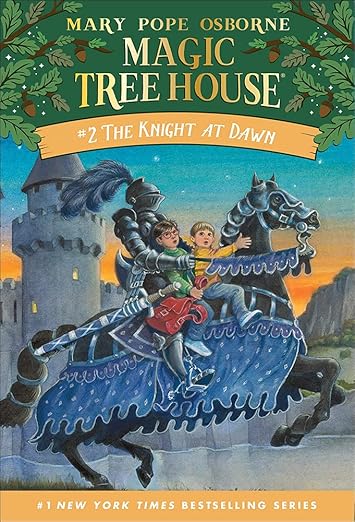
This book uses adventure to introduce children to medieval times. Through storytelling, it makes history feel exciting and immersive.
For children who are not immediately drawn to nonfiction, this can be an effective entry point.
How History Books Help Children Understand the World
History books do more than teach facts—they help children build a framework for understanding the world.
By reading about different time periods, children begin to see how societies change over time. They understand that the world they live in today is shaped by events and decisions from the past.
At the same time, history books encourage critical thinking.
Children learn to ask questions: Why did this happen? What could have been different? How did people respond? These questions help them move beyond memorization and begin to think more deeply.
In addition, history books foster curiosity.
When children become interested in one topic—such as ancient Egypt or civil rights—they often want to explore more. This curiosity drives independent learning and builds confidence.
How Parents Can Make History Reading More Meaningful
Reading history books with children can be a powerful learning experience, but the way it is done matters.
First, it is important to focus on stories rather than facts. Instead of emphasizing dates or details, parents can help children understand the people and experiences behind historical events. This makes the information more relatable and easier to remember.
Second, asking simple questions can deepen understanding. Questions like “What do you think life was like then?” or “Why do you think this happened?” encourage children to think actively rather than passively listen.
Third, connecting history to the present makes learning more meaningful.
When children see how historical events relate to their own lives, they begin to understand why history matters. For example, discussions about fairness, leadership, or change can help bridge past and present.
Finally, consistency is key.
Reading history books regularly—even in small amounts—helps children build knowledge over time without feeling overwhelmed.
Final Thoughts
History is not just a subject—it is a collection of stories that help children understand the world around them.
When introduced in the right way, history becomes more than information. It becomes a way for children to explore, question, and connect.
Books play a central role in this process.
They turn distant events into meaningful experiences, helping children see history not as something separate, but as something that continues to shape their lives today.
And with the right approach, history can become one of the most engaging and inspiring subjects a child explores.
FAQ
What are the best history books for kids?
The best history books for kids are those that present history through stories, visuals, and relatable experiences. Books that focus on people and real-life situations tend to be more engaging.
At what age should children start learning history?
Children can begin learning history through simple stories as early as age 5. As they grow, they can handle more detailed and structured content.
How do you make history interesting for kids?
Focusing on storytelling, asking questions, and connecting history to everyday life are some of the most effective ways to keep children engaged.
Why is history important for children?
History helps children understand the world, develop empathy, and build critical thinking skills. It also encourages curiosity and broader perspectives.