
Winter is a great time to slow down, get comfortable, and enjoy a good story together. Whether children love playing in the snow, building snowmen, or staying warm indoors, there are plenty of winter books for kids that can make reading time more exciting. Some are silly and laugh-out-loud funny, while others introduce interesting winter animals, snowy adventures, and the little surprises that come with colder weather.
Picture books are also a wonderful way to help children build reading skills without making every story feel like a lesson. Funny characters, repeated phrases, colorful illustrations, and unexpected events give young readers plenty to notice, discuss, and remember.
These winter books for kids are also a great starting point for conversations about weather, friendship, animals, and the changing seasons.
Reading together also gives children opportunities to make predictions, notice details, and practice understanding stories. Try using picture walks to build reading comprehension before starting a new picture book.
In this list, you’ll find 15 winter books for kids, including humorous snowman stories, playful animal adventures, and cozy read-aloud favorites. These books are especially suitable for preschoolers and elementary-aged children, with a mix of stories for different reading levels and interests.
15 Best Winter Books for Kids
From snowmen with busy nighttime lives to animals discovering the joys of winter, these books offer plenty of opportunities for laughter, imagination, and conversation.
The best winter books for kids combine entertaining stories with opportunities to explore new ideas, ask questions, and use their imaginations

1. Flubby Does Not Like Snow by J. E. Morris
Flubby is a cat who would much rather stay comfortable indoors than venture out into the cold. When Kami wants to take Flubby outside to enjoy the snow, the cat isn’t exactly enthusiastic. The more Flubby experiences the winter weather, the less appealing it seems!
This funny picture book is a great choice for younger readers who enjoy expressive animal characters and relatable situations. Its simple text and comic-style illustrations also make it approachable for children who are beginning to read more independently.
What kids can learn: Children can talk about how different characters have different preferences. They can also practice identifying feelings and comparing Flubby’s reactions with their own experiences.
Reading activity: Ask children whether they would rather play outside in the snow or stay warm indoors. Have them explain their choice and give Flubby some advice about enjoying winter.
Suggested age range: 4–7
2. Froggy Gets Dressed by Jonathan London
Froggy wakes up to discover that snow has covered the ground, and he can’t wait to go outside and play. There’s just one problem: getting dressed for winter takes a lot more work than he expects!
Every time Froggy heads outside, his mother reminds him that he’s forgotten another important piece of clothing. His repeated trips back inside make this a playful story that many young children will recognize.
The repetition, sound effects, and familiar winter clothing vocabulary make this an especially enjoyable read-aloud. Children may even start anticipating what Froggy will forget next.
What kids can learn: This story introduces winter clothing vocabulary and helps children understand the importance of getting dressed appropriately for cold weather.
Reading activity: Make a list of everything Froggy needs before going outside. Then ask children to explain why each item is useful during winter.
Suggested age range: 3–6
3. Sneezy the Snowman by Maureen Wright
Sneezy the Snowman is having a difficult time enjoying winter because he is simply too cold! He tries different ways to warm himself up, but his attempts keep causing problems. Fortunately, the children nearby are happy to help rebuild him and find ways to keep him comfortable.
This silly winter story uses rhyming text, repetition, and plenty of amusing situations to keep young readers interested. Children will enjoy watching Sneezy’s attempts to solve his problem and seeing what happens each time.
What kids can learn: The story introduces cause and effect. Children can think about why Sneezy keeps getting into trouble and how his choices lead to different results.
Reading activity: Pause before each new attempt to warm up and ask children to predict what might happen. Afterward, have them explain which ideas worked and which ones caused a new problem.
Suggested age range: 4–8
4. Snowmen at Night by Caralyn Buehner
Have you ever wondered what happens to a snowman after everyone goes inside? Does he stay in the same spot all night, or does he have a few adventures of his own?
In this imaginative winter story, children get to explore what snowmen might do after dark. The book is filled with playful possibilities, funny illustrations, and little details that make it fun to look through more than once.
One of the best parts is encouraging children to use their imaginations. The story takes something familiar, building a snowman, and turns it into a much bigger adventure.
What kids can learn: This book encourages creative thinking, visualization, and making predictions. It also gives children opportunities to study illustrations for details that add to the story.
Reading activity: Ask children to imagine what their own snowman might do at night. Would it go sledding, visit other snowmen, or have a secret job? Have them draw their idea and write a few sentences about it.
Suggested age range: 3–7
5. The Snow Thief by Alice Hemming, illustrated by Nicola Slater
Squirrel and Bird are back for another seasonal adventure! This time, Squirrel experiences snow for the first time and quickly discovers how exciting winter can be. But when the snow suddenly disappears, Squirrel begins to wonder whether someone has stolen it.
This funny story introduces young readers to seasonal changes through an entertaining mystery. Squirrel’s confusion gives children a chance to think about what happens in nature during winter and why the weather doesn’t always stay the same.
The colorful illustrations and expressive characters also make it a good choice for reading together and discussing what is happening on each page.
Many winter books for kids introduce seasonal changes through characters and situations that are easy for young readers to understand.
What kids can learn: Children can explore the changing seasons, practice making predictions, and learn that weather and nature change over time.
Reading activity: Before revealing what happened to the snow, ask children to come up with their own explanations. Then discuss what happens when snow melts and how winter weather can change.
Suggested age range: 4–8
6. All Right Already!: A Snowy Story by Jory John, illustrated by Benji Davies
Duck is absolutely thrilled when snow arrives, and he can’t wait to spend the day outside with his best friend, Bear. Unfortunately, Bear has a very different idea of how to enjoy a snowy day. He would much rather stay warm and comfortable indoors!
Duck keeps suggesting different winter activities, but Bear isn’t particularly interested. Their contrasting personalities lead to plenty of funny moments as Duck tries to convince his friend to join the fun.
This is a great choice for children who enjoy humorous animal stories and characters with very different personalities.
What kids can learn: The story provides an opportunity to discuss friendship, patience, and respecting other people’s preferences. Children can also compare the characters’ personalities and explain why they make different choices.
Reading activity: Ask children to imagine that they are Bear’s friend. What activity would they suggest to get Bear interested in winter? Have them come up with three ideas and explain which one they think would work best.
Suggested age range: 3–8
7. Is This . . . Winter? by Helen Yoon
For one enthusiastic little puppy, winter is full of exciting discoveries. There is snow to explore, birds to chase, and plenty of interesting things to investigate. But not everything about winter makes sense to this curious puppy!
From unusual decorations to strange sights outside, the puppy begins to wonder whether all of these things really belong to winter. The book uses visual humor and a playful perspective to show how funny ordinary seasonal traditions can look through an animal’s eyes.
What kids can learn: Children can practice making observations and distinguishing between things that are part of nature and things people add to their surroundings during the winter season.
Reading activity: Look closely at the illustrations and ask children to identify the things the puppy finds unusual. Then have them describe something about winter that they think would seem strange to an animal.
Suggested age range: 3–7
8. Go, Sled! Go! by James Yang
A sled ride is already exciting, but what happens when unexpected passengers start joining the adventure?
In this energetic picture book, a sled picks up more and more passengers as the ride continues. What begins as a simple trip down a hill turns into an increasingly crowded and entertaining adventure.
The repetitive language, large text, and funny surprises make this a particularly good choice for beginning readers. Children can follow the growing group of passengers and enjoy guessing who might join next.
What kids can learn: Repeated phrases support reading fluency, while the growing number of characters gives children a chance to practice counting and making predictions.
Reading activity: Pause each time someone new joins the sled. Ask children to count the passengers and predict what kind of character might appear next.
Suggested age range: 3–7
9. There Was a Cold Lady Who Swallowed Some Snow! by Lucille Colandro, illustrated by Jared Lee
If children enjoy silly stories with surprising twists, this winter version of the familiar Old Lady series is a fun one to try.
The cold lady starts by swallowing some snow, but things quickly become more unusual as she continues swallowing other winter-related objects. Children will enjoy trying to figure out what she might be doing and guessing what could come next.
The rhyming language and repeated pattern make this an entertaining read-aloud, especially for younger children who enjoy joining in with familiar phrases.
What kids can learn: The book supports listening comprehension, rhyming awareness, sequencing, and predicting what might happen next.
Reading activity: After reading, ask children to remember the different items the cold lady swallowed. Have them put the events in order or draw the items as a sequence.
Suggested age range: 3–6
10. The Mitten by Jan Brett
When Nicki drops his mitten in the snow, he continues on without realizing that he has lost it. Before long, woodland animals discover the mitten and begin squeezing inside to escape the cold.
As more and more animals join the group, the mitten becomes increasingly crowded. Children will enjoy seeing how each new animal manages to fit and wondering how much longer the mitten can hold everyone.
Jan Brett’s detailed illustrations make this book especially enjoyable to revisit. There are plenty of small details to notice, and the increasingly crowded mitten creates a funny situation that builds toward a memorable ending.
Funny winter books for kids can be especially enjoyable when children get to predict what will happen next and join in with repeated phrases.
What kids can learn: This story offers opportunities to practice sequencing, making predictions, identifying animals, and discussing how characters respond to a problem.
Reading activity: Ask children to name each animal as it enters the mitten. Then have them retell the story in order, explaining which animal came first and which came last.
Suggested age range: 3–7
11. Bear Snores On by Karma Wilson, illustrated by Jane Chapman
While Bear sleeps through the cold winter, other animals begin finding their way into his cozy cave. One by one, they settle in, prepare food, and start enjoying each other’s company. The only problem is that Bear continues sleeping through the entire gathering!
The story builds through repeated phrases and playful rhymes as the cave becomes busier and busier. Children will enjoy watching the animals gather while Bear remains completely unaware of the party happening around him.
This is a lovely winter read-aloud that combines humor with a cozy atmosphere.
What kids can learn: Children can explore hibernation, winter habitats, animal behavior, and rhyming patterns. The story also encourages them to notice how the setting changes as more characters arrive.
Reading activity: Ask children to keep track of every animal that enters Bear’s cave. After reading, have them draw the gathering and explain what each animal contributes to the party.
Suggested age range: 3–8
12. A Loud Winter’s Nap by Katy Hudson
Tortoise believes winter is the perfect time to sleep. Every year, he settles down for a long winter nap while the other animals enjoy the season around him. His friends try to convince him to join their activities, but Tortoise would much rather be left alone.
As winter continues, however, Tortoise discovers that there might be more to the season than he originally thought.
This funny story is especially enjoyable because of Tortoise’s grumpy personality and his friends’ increasingly creative attempts to get him involved. The illustrations also give children plenty to look at as the story unfolds.
What kids can learn: Children can learn about hibernation and explore how different animals experience winter. They can also discuss how trying something new can lead to unexpected enjoyment.
Reading activity: Ask children to compare Tortoise’s expectations about winter with what actually happens. Have them identify the activities he initially avoids and explain whether his opinion changes.
Suggested age range: 3–7
13. Red Sled by Patricia Thomas, illustrated by Chris L. Demarest
Sometimes a winter story doesn’t need a complicated plot to be enjoyable. In Red Sled, a boy and his father head outside for a nighttime sledding adventure. Their trip down the snowy hill becomes a fun shared experience before they return home for some hot chocolate.
The simple rhyming text and colorful illustrations make this a lovely choice for younger children. It also offers a quieter contrast to some of the more energetic and silly stories in this list.
What kids can learn: The book introduces rhyming words and descriptive language while showing how simple shared experiences can become meaningful memories.
Reading activity: Ask children to describe what they notice about the winter setting. Have them use a few descriptive words to explain what the snowy evening might look, sound, or feel like.
Suggested age range: 3–6
14. The Biggest, Best Snowman by Margery Cuyler, illustrated by Will Hillenbrand
Little Nell is often told that she is too small to help with important things. When her forest friends encourage her to build a snowman, she isn’t sure she can do it. With a little support and encouragement, however, Nell discovers that she is capable of accomplishing much more than she expected.
This winter story combines a snowy setting with a positive message about confidence, friendship, and teamwork. Its playful rhymes and exaggerated characters also give the story plenty of personality.
What kids can learn: Children can discuss self-confidence, cooperation, and the importance of encouraging others. The story also shows how working together can help people accomplish something they might find difficult on their own.
Reading activity: Ask children to think of something they once found difficult but eventually learned to do. They can draw themselves accomplishing that task and write a sentence about who helped encourage them.
Suggested age range: 4–7
15. Snowzilla by Janet Lawler
What happens when a snowman becomes so enormous that the whole town starts talking about it?
In Snowzilla, Cami Lou and her brother decide to build an enormous snowman after a long period of snowfall. Their creation quickly becomes a local attraction, drawing visitors from all over. But not everyone is happy about the giant snowman, and the children have to figure out what to do when their winter project causes unexpected problems.
The playful rhymes and larger-than-life snowman make this a fun choice for children who enjoy imaginative winter stories. It also gives readers something to think about beyond simply building the biggest snowman possible.
What kids can learn: Children can explore problem-solving, community cooperation, and how one decision can affect other people.
Reading activity: Ask children to imagine building their own enormous snowman. What would it look like? Where would they put it? Would the neighbors enjoy having it nearby? Have them draw their snowman and explain how they would solve any problems it might cause.
Suggested age range: 4–8
Why Read Winter Books with Kids?
Reading winter books for kids can make seasonal learning feel more natural because children get to explore new vocabulary and ideas through stories.
Seasonal stories are more than just a fun way to spend a cold afternoon. Winter books can introduce children to new vocabulary, encourage curiosity about nature, and provide opportunities to practice important reading skills.
Here are a few reasons to include winter-themed books in your family’s reading routine.
1. Build Seasonal Vocabulary
Winter stories introduce words that children might not use every day. Words such as frost, icicle, hibernate, blizzard, melt, and snowdrift can help expand their vocabulary.
Instead of simply giving children definitions, encourage them to use illustrations and the surrounding sentences to figure out what unfamiliar words might mean.
For example, if a character is bundled up in a coat, scarf, and mittens, children can use the picture to understand why those items are useful during cold weather.
2. Encourage Curiosity About Nature
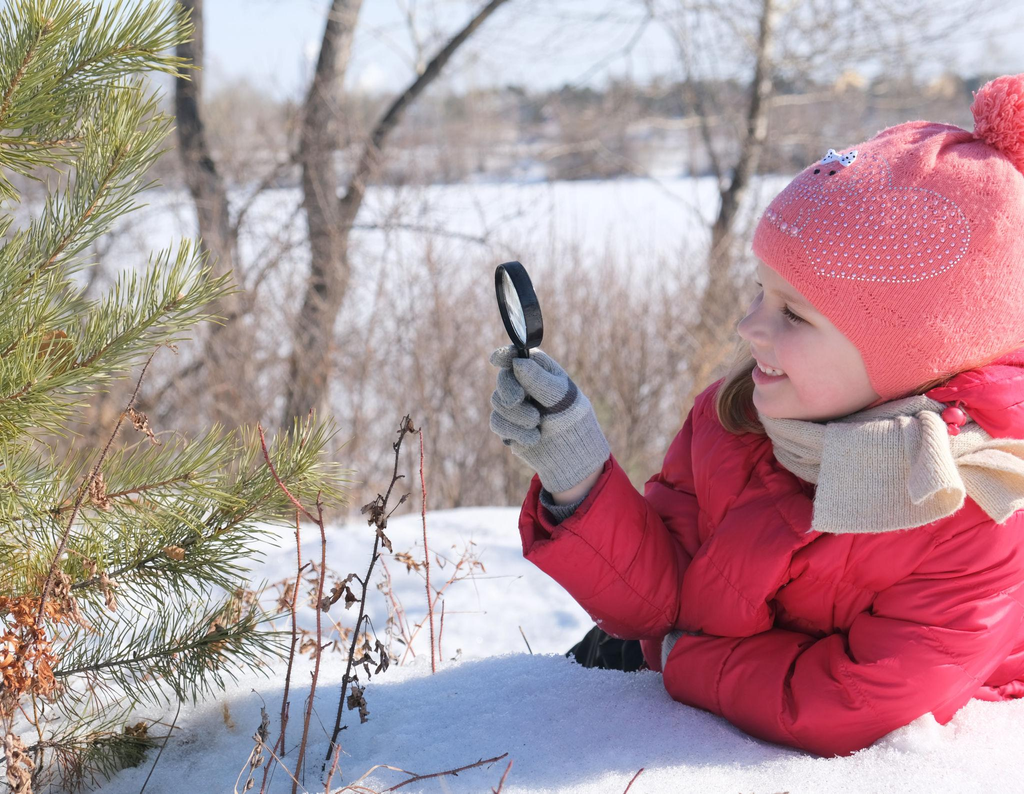
Many winter stories feature animals, changing weather, and seasonal environments. These topics give children a natural opportunity to ask questions about the world around them.
Books such as The Snow Thief and Bear Snores On can lead to conversations about melting snow, winter habitats, and hibernation.
You can also encourage children to compare what happens in a story with what they have observed outside.
3. Strengthen Reading Comprehension
Funny stories often include unexpected events, repeated phrases, and characters who make unusual decisions. These features make it easier to pause and ask children questions about what they have read.
For example, children can predict what a character might do next, explain why something happened, or describe how a character’s feelings changed throughout the story.
These simple conversations help children move beyond remembering individual details and begin thinking more carefully about the story.
You can also explore more ways to help kids remember what they read after finishing a story.
4. Support Imagination and Creative Thinking
Winter stories can take ordinary experiences and turn them into imaginative adventures. A snowman might have a secret nighttime routine, a sled might collect unexpected passengers, or a puppy might find winter traditions completely confusing.
Encourage children to think about what they would do in similar situations. They can invent their own characters, change the ending, or imagine what might happen if the story continued.
5. Make Reading Time More Enjoyable
Not every reading activity needs to feel like schoolwork. Silly characters, funny illustrations, and surprising situations can help children develop positive associations with reading.
When children genuinely enjoy a story, they are often more willing to reread it, discuss it, and explore other books by the same author.
How to Make Winter Read-Alouds More Fun
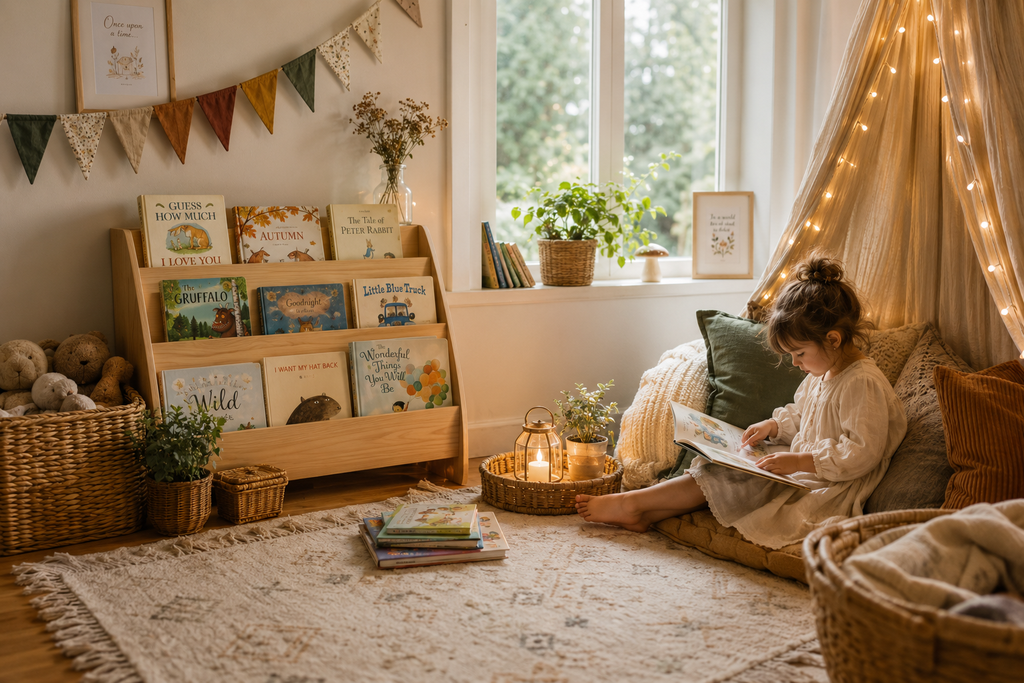
Reading together is a great opportunity to do more than simply read the words on the page. A few small changes can make a story more interactive and encourage children to participate.
When sharing winter books for kids, don’t be afraid to pause, ask questions, and let children take an active role in the story.
- Use different character voices: Give each character a distinct voice or expression. A grumpy bear, an excited duck, and a confused snowman can make for a very entertaining read-aloud.
- Pause for predictions: Before turning the page, ask children what they think might happen next. Encourage them to explain their reasoning.
- Explore the illustrations: Pictures often contain details that aren’t directly mentioned in the text. Ask children to look carefully and describe what they notice.
- Repeat familiar phrases: When a book uses repetition, invite children to say the repeated words along with you. This can help build familiarity and confidence.
- Connect the story to real life: Ask children whether they have ever built a snowman, worn mittens, or experienced a particularly cold day. Personal connections can make a story more memorable.
If you’re looking for another way to help children understand stories through their illustrations, take a look at our guide on picture walks and reading comprehension.
Questions to Ask Children While Reading Winter Books
Asking questions during and after a story helps children practice comprehension and explain their thinking. Rather than asking only what happened, try including questions that encourage them to make predictions, notice details, and think about character choices.
Here are some examples to try with the books in this list.
| Reading skill | Questions to ask |
|---|---|
| Prediction | What do you think will happen next? |
| Vocabulary | What do you think this word means based on the picture and sentence? |
| Character feelings | How do you think the character feels? What makes you think that? |
| Cause and effect | Why did that happen? What happened because of the character’s decision? |
| Inference | What can you figure out from the illustration that the words don’t tell you? |
| Sequencing | What happened first, next, and last? |
| Retelling | Can you explain the story in your own words? |
| Personal connection | Have you ever experienced something similar? |
You don’t need to ask every question during every book. Choose a few that fit the story and let the conversation develop naturally.
For younger children, pointing to an illustration or giving two possible answers can help them participate. Older children can be encouraged to explain their answers and refer to details from the text.
5 Easy Winter Reading Activities for Kids
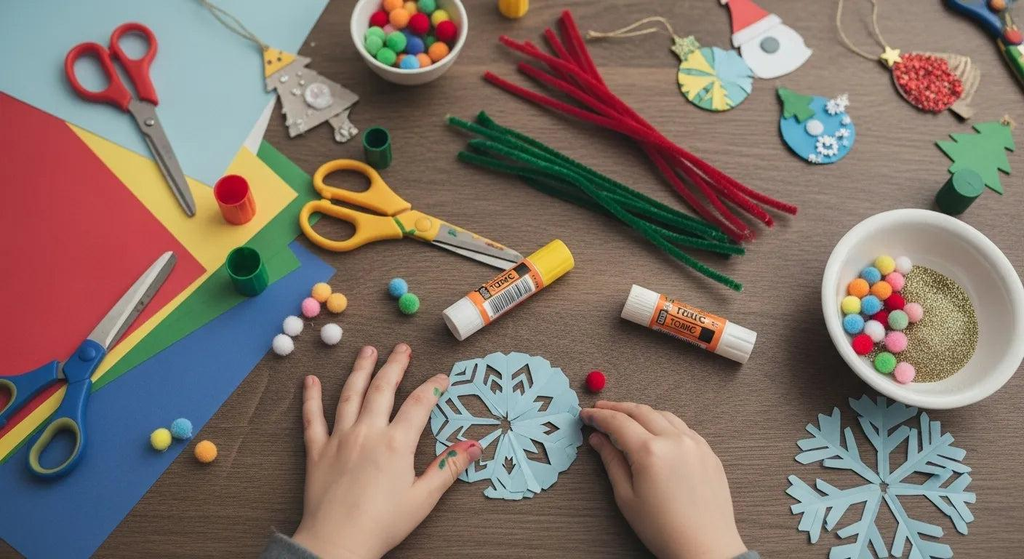
After finishing a winter story, try extending the reading experience with a simple activity. These ideas can help children practice comprehension, vocabulary, writing, and creativity without requiring complicated materials.
Winter books for kids can inspire plenty of activities after reading, giving children another way to explore the characters, vocabulary, and ideas they encounter.
1. Draw a New Winter Character
After reading a book such as Snowmen at Night or Sneezy the Snowman, ask children to invent their own winter character.
They can draw a snowman, animal, or imaginary creature and give it a name and personality. Encourage them to write a few sentences explaining what their character likes to do during winter.
Younger children can describe their drawings aloud while an adult writes down their ideas.
2. Put the Story in Order
Choose a book with several clear events, such as Froggy Gets Dressed or The Mitten.
Ask children to draw three or four important moments from the story. Then have them arrange the pictures in the correct order.
This activity helps children understand story structure and practice using sequencing words such as first, next, then, and finally.
3. Create a Winter Vocabulary Collection
As you read, collect interesting winter words from the story.
Children can write or draw words such as:
- Snowflake
- Icicle
- Frost
- Mitten
- Scarf
- Hibernation
- Sled
- Blizzard
For older children, try organizing the words into categories such as winter clothing, weather, animals, and outdoor activities.
You can also challenge them to use three of the new words in their own sentences.
4. Invent a Silly Winter Adventure
Ask children to imagine an unusual winter situation. Maybe a snowman wants to go on vacation, a penguin gets lost in a forest, or a sled refuses to stop collecting passengers!
Have them describe what happens at the beginning, middle, and end of their story.
They can draw pictures to accompany their ideas or write a short story of their own.
5. Retell a Story Using Drawings or Puppets
Choose a favorite winter book and ask children to retell the story using simple drawings, paper characters, or homemade puppets.
Encourage them to include the main characters, setting, and important events.
For older children, ask them to retell the story from a different character’s point of view. This gives them a chance to think more carefully about character feelings and motivations.
How to Choose Winter Books for Different Ages
Not every winter book is right for every child. Some children enjoy short, repetitive stories, while others are ready for longer plots and more detailed vocabulary.
Choosing winter books for kids based on their age and reading interests can make it easier to find stories they will genuinely enjoy.
Here are a few things to consider when choosing winter books for different age groups.
Winter Books for Preschoolers
Preschoolers often enjoy books with colorful illustrations, simple storylines, repeated phrases, and familiar experiences.
Look for stories that introduce basic winter vocabulary and give children plenty of opportunities to point to pictures, name objects, and participate in repeated phrases.
Books such as Froggy Gets Dressed, Bear Snores On, and There Was a Cold Lady Who Swallowed Some Snow! can be enjoyable choices for this age group.
Winter Books for Kindergarteners
Kindergarteners are often ready for stories with more developed characters and slightly longer sequences of events.
Look for books that encourage children to make predictions, recognize rhyming words, describe characters, and retell what happened.
Titles such as Snowmen at Night, Go, Sled! Go!, and The Mitten offer plenty of opportunities to practice these skills.
Winter Books for Elementary School Students
Older elementary students may enjoy stories with more detailed plots, interesting vocabulary, and opportunities to think about character motivations.
They can also begin discussing themes such as friendship, cooperation, problem-solving, and adapting to change.
Books such as The Snow Thief, All Right Already!: A Snowy Story, and The Biggest, Best Snowman can lead to more detailed conversations about the characters and their choices.
Children who are beginning to read independently may also enjoy revisiting familiar picture books and reading parts of the story aloud.
Final Thoughts
Winter is a wonderful season to explore through children’s books. From silly snowmen and grumpy animals to snowy adventures and cozy stories, there’s something for every young reader to enjoy.
The best part is that winter reading doesn’t have to stop when the story ends. Ask questions, explore the illustrations, learn a few new words, or encourage children to create their own winter adventures.
Whether you’re reading together at home, sharing a story in the classroom, or exploring digital books through Epic, a little seasonal reading can make the colder months more enjoyable while helping children build important literacy skills.
Frequently Asked Questions About Winter Books for Kids (FAQ)
What are the best winter books for preschoolers?
Some enjoyable choices for preschoolers include Froggy Gets Dressed by Jonathan London, Bear Snores On by Karma Wilson, and There Was a Cold Lady Who Swallowed Some Snow! by Lucille Colandro. These books feature playful language, engaging illustrations, and storylines that are easy for younger children to follow.
What are some funny winter books for kids?
If you’re looking for funny winter stories, try Snowmen at Night by Caralyn Buehner, Sneezy the Snowman by Maureen Wright, Flubby Does Not Like Snow by J. E. Morris, and Go, Sled! Go! by James Yang. Each book offers a different kind of humor, from silly characters to unexpected situations.
What can children learn from winter books?
Winter books can introduce seasonal vocabulary, help children learn about weather and animals, and strengthen reading comprehension. They also provide opportunities to discuss character feelings, make predictions, recognize rhymes, and explore new ideas.
How can I make winter read-alouds more engaging?
Try using different voices for characters, pausing to ask prediction questions, and encouraging children to notice details in the illustrations. You can also connect the story to their own experiences and invite them to retell favorite scenes.
Are winter books suitable for classroom reading activities?
Absolutely! Winter books can be used for read-alouds, vocabulary lessons, sequencing activities, story retelling, and creative writing. Teachers and parents can choose activities based on children’s ages and reading abilities.