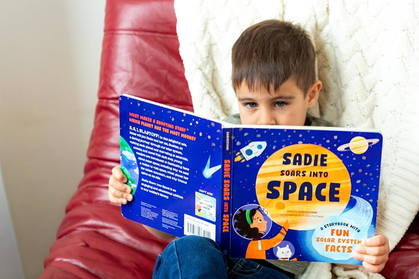


When helping your child learn to read, you may hear terms like phonics, sight words, and vocabulary used interchangeably. However, understanding phonics vs sight words can help you see how these skills differ and why children need both to become stronger readers. Vocabulary is important, too, because recognizing a word on the page is only part of understanding what it means.
These reading skills work together as children learn to sound out unfamiliar words, recognize familiar words more quickly, and understand the stories and information they read. Let’s look at what each skill means, how they connect, and how you can help your child practice at home.
Phonics vs Sight Words: What Is Phonics?
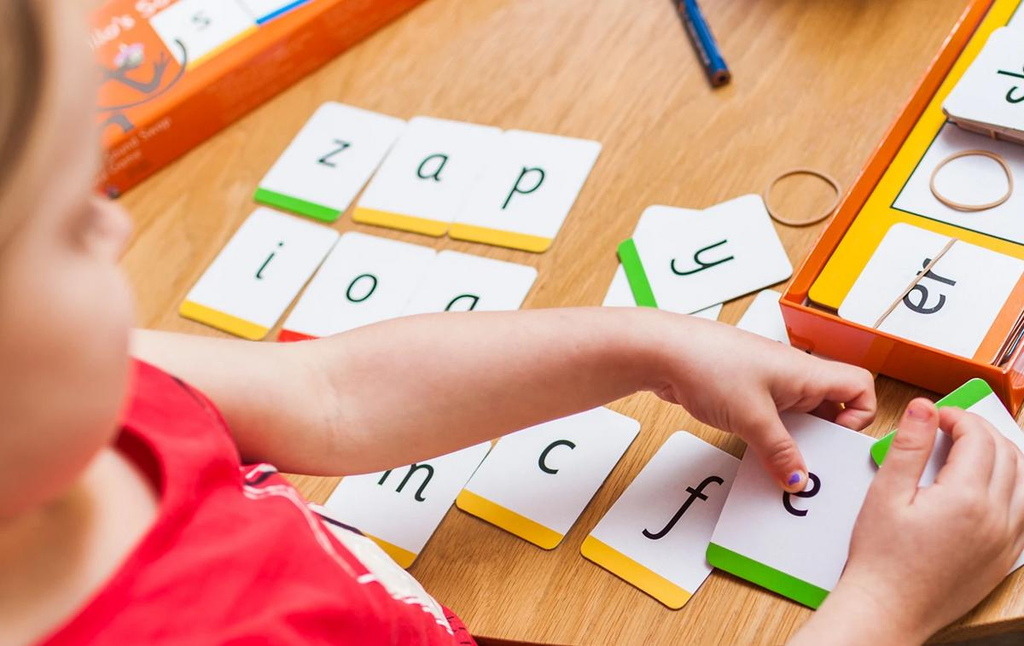
Phonics teaches children how letters and groups of letters represent sounds. Children use this knowledge to connect written letters with spoken sounds and figure out how to read unfamiliar words. This process is called decoding.
For example, a child learning phonics might discover that the letter m represents the /m/ sound, while the letters sh work together to represent the /sh/ sound. Once children become familiar with these patterns, they can combine sounds to read words.
Consider the word ship. A child can use phonics knowledge to recognize the sounds represented by sh, i, and p, then blend them together to read the word.
Phonics also helps children recognize patterns in longer words. As they learn more letter-sound relationships, they can apply those patterns to new words instead of having to memorize every word they encounter.
Why Is Phonics Important?
Phonics gives children a strategy they can use when they come across an unfamiliar written word. Rather than guessing based on a picture or the first letter, they can look at the letters, connect them to their sounds, and work through the word.
When comparing phonics vs sight words, this is the main distinction: phonics helps children figure out how to read words, including many words they have never seen before. Sight-word recognition, on the other hand, helps them identify familiar written words quickly.
Children usually benefit from explicit phonics instruction, plenty of opportunities to blend sounds, and practice reading words that match the letter patterns they have learned.
For more ideas, see our guide to phonics and early reading at home.
Phonics vs Sight Words: What Are Sight Words?
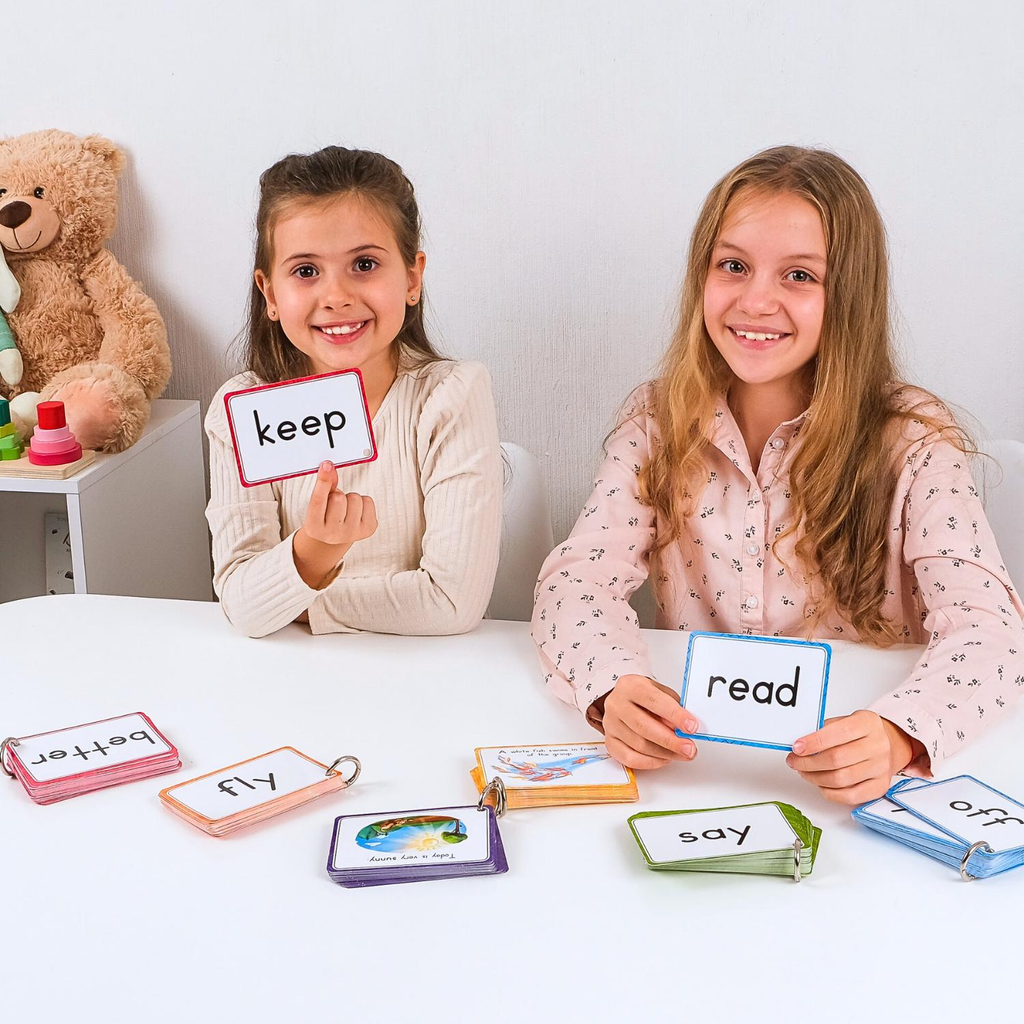
Sight words are words that children can recognize automatically when they see them in print. Instead of having to stop and work through each sound, a child can identify a familiar word quickly.
Words such as the, said, was, and you often appear in early reading books. Children encounter them so frequently that learning to recognize them automatically can make reading smoother.
Imagine a child reading the sentence, “The dog was happy.” If the child immediately recognizes the and was, they can spend more attention decoding other words and understanding the sentence.
Sight words are sometimes taught through repeated exposure, reading practice, and activities that help children connect a word’s spelling with its pronunciation and meaning. The goal is not simply to memorize the overall shape of a word. Children benefit from noticing its letters and spelling patterns, too.
Are Sight Words the Same as High-Frequency Words?
The terms are related, but they do not mean exactly the same thing.
High-frequency words are words that appear often in written language. Examples include the, and, said, and have.
Sight words are words a reader recognizes automatically without needing to sound them out each time.
Many high-frequency words eventually become sight words because children encounter them so often. However, a word does not have to be especially common to become a sight word. A child’s name, for example, may become instantly recognizable through repeated exposure.
When thinking about phonics vs sight words, it helps to remember that the two skills are not opposites. Children can use phonics to learn how a word is spelled and pronounced, then develop automatic recognition through practice.
Phonics vs Sight Words: Key Differences
Both sight-word recognition and phonics support early reading, but they help children in different ways. Phonics focuses on the relationships between letters and sounds, while sight-word recognition focuses on identifying written words automatically.
Here is a simple comparison:
| Phonics | Sight words |
|---|---|
| Teaches letter-sound relationships | Builds automatic recognition of familiar words |
| Helps children decode unfamiliar words | Helps children identify known words quickly |
| Uses skills such as blending sounds | Develops through learning and repeated reading |
| Example: sounding out ship | Example: immediately recognizing said |
| Helps children work through new words | Helps reading become more fluent |
These skills overlap. A child might initially sound out a word using phonics and gradually learn to recognize it automatically after seeing it many times.
For example, a child may first sound out jump by identifying each sound. After reading and writing the word repeatedly, the child may recognize it immediately the next time it appears.
Understanding phonics vs sight words can help parents identify the kind of practice that might be useful. A child who struggles to sound out unfamiliar words may need more support with phonics, while a child who can decode words but reads very slowly may benefit from additional practice building automatic word recognition.
Of course, reading difficulties can have more than one cause, so these observations are starting points rather than a diagnosis.
Where Does Vocabulary Fit In?
Phonics and sight words help children read written words, but vocabulary helps them understand what those words mean.
A child might be able to sound out the word enormous and recognize it on the page without knowing that it means “very large.” In this case, the child has some word-reading ability but needs to develop their understanding of the word.
Vocabulary includes the words children understand when they hear or read them, as well as the words they can use when speaking and writing. A strong vocabulary supports reading comprehension because children need to understand the words in a sentence to understand the message.
For example, consider this sentence:
“The enormous dog squeezed through the tiny doorway.”
A child might recognize every word and read the sentence aloud correctly. But if the child does not understand enormous, squeezed, or tiny, they may miss important details about what happened.
This is why reading aloud accurately does not always mean a child understands what they have read. If your child can read words but struggles to explain a story, vocabulary and comprehension may be areas worth exploring.
You can learn more in our article about why a child can read but doesn’t understand what they read.
How Phonics, Sight Words, and Vocabulary Work Together
Although these skills have different purposes, children use them together whenever they read.
Let’s look at the sentence:
“The little dog chased the enormous ball.”
A child may use phonics to decode a word they have not seen before. They may recognize familiar words such as the automatically. They also need vocabulary knowledge to understand that enormous means very large and to picture what is happening in the sentence.
Each skill contributes something different:
- Phonics: Helps children connect letters to sounds and decode unfamiliar words.
- Sight-word recognition: Helps children recognize familiar written words automatically.
- Vocabulary: Helps children understand the meanings of the words they read.
As these abilities develop, children can spend less effort working through individual words and more attention understanding the text. Reading fluency and comprehension both benefit when word recognition becomes more automatic and children understand the language they encounter.
It is important to remember that these skills develop over time. Children may be confident with some familiar words but still need help sounding out new ones. They may also read a sentence smoothly while needing support to understand a new word or idea.
How to Practice Phonics and Sight Words at Home
You do not need complicated materials or long lessons to support your child’s reading development. A few minutes of focused practice, combined with regular opportunities to read and talk about books, can help reinforce what your child is learning.
1. Practice Sounding Out Words
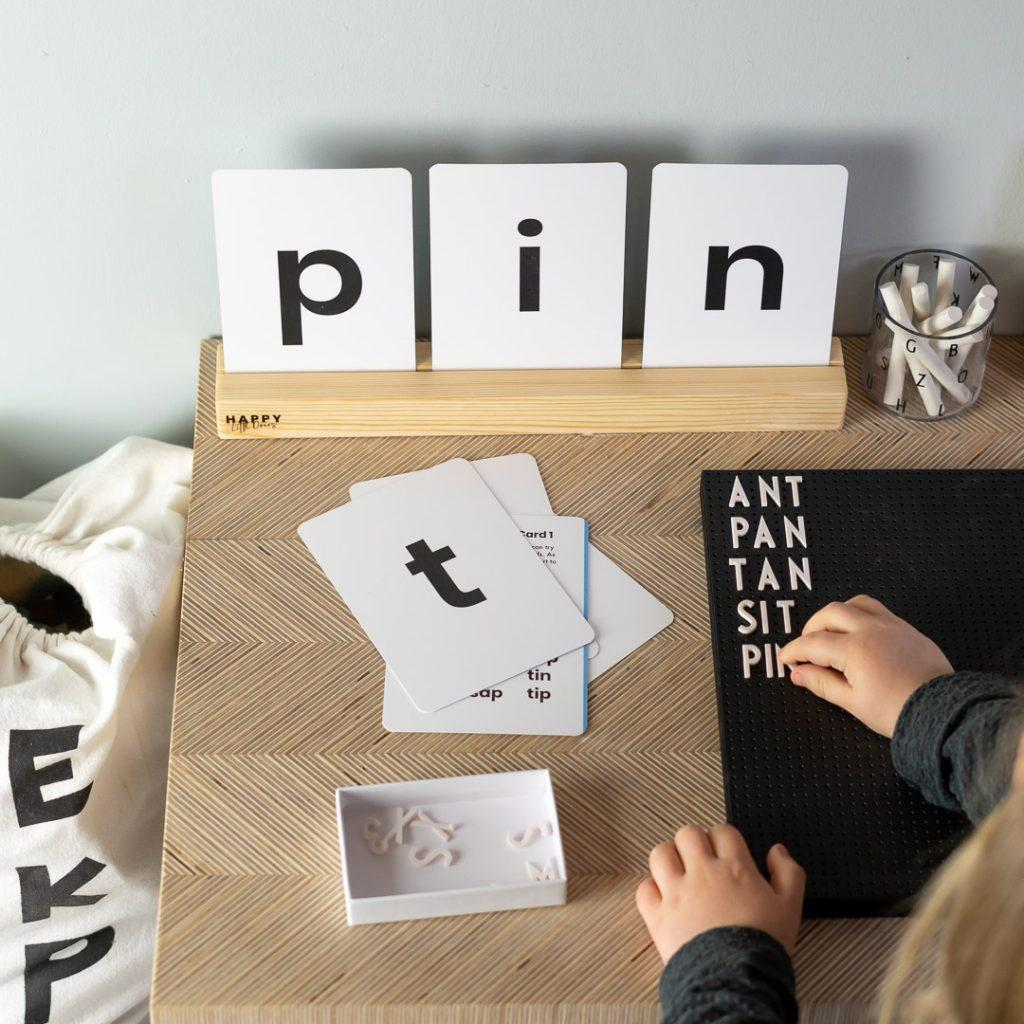
Choose a few words that use letter-sound patterns your child already knows. Ask your child to identify the sounds and blend them together.
For example, you might practice words such as sun, map, or ship, depending on which sounds and spelling patterns your child has learned.
If your child gets stuck, help them look at the letters and work through the sounds rather than immediately telling them the word. Keep the activity manageable so they have a chance to experience success.
2. Review Familiar Words
Choose a small group of familiar words from your child’s reading materials. Show each word, say it together if needed, and use it in a sentence.
You can write the words on index cards, place them around a table, or ask your child to find them on a page in a book. Revisit the words over several days instead of trying to practice a large number at once.
As your child becomes more confident, mix the words up so they practice recognizing them in different orders and contexts.
3. Read Books Together
Shared reading gives children opportunities to practice phonics, recognize familiar words, and build vocabulary in a meaningful context.
Pause occasionally to let your child try a word independently. If they struggle, offer a helpful prompt that matches the skill they are practicing. You might ask them to look at the first sound, blend the sounds together, or think about a word they have seen before.
You can also talk about the story. Ask your child what a new word means, why a character did something, or what they think might happen next.
If your child enjoys digital books, Epic offers a library of children’s books that families and educators can use to support reading practice.

4. Introduce New Vocabulary Through Conversation
Children learn new words through reading, but everyday conversations are valuable, too. When your child encounters an unfamiliar word, explain it in language they can understand and connect it to something they already know.
For example, if a book describes a character as exhausted, you might explain that the character is extremely tired. You could then ask your child to think of a time when they felt exhausted after a busy day.
These conversations help children connect words with their meanings and use them in their own speaking and writing.
5. Keep Practice Short and Consistent
Young readers often benefit from short activities that can be repeated regularly. You might spend a few minutes reviewing familiar words, read a book together, and talk about one or two new vocabulary words.
The right balance depends on your child’s current skills and attention span. If an activity becomes frustrating, simplify it or return to something your child can do with a little support.
The goal is to help reading feel manageable while giving your child repeated opportunities to practice.
How Can You Tell Which Reading Skill Your Child Needs Help With?
It can be difficult to tell why a child is struggling with reading just by listening to them read aloud. Paying attention to the specific challenges they encounter can give you a better idea of what to practice next.
Your child may need more phonics practice if they:
- Have trouble connecting letters with their sounds.
- Struggle to blend sounds into a word.
- Guess at unfamiliar words instead of looking closely at the letters.
- Find it difficult to read words with spelling patterns they have been taught.
More sight-word practice may be needed if they:
- Can sound out many words but frequently pause on familiar words.
- Read common words slowly even after repeated exposure.
- Have difficulty recognizing familiar words when they appear in a new sentence.
They may be in need of more vocabulary or comprehension support if they:
- Can read a word aloud but cannot explain what it means.
- Struggle to retell the main events of a story.
- Have difficulty answering questions about what they have read.
- Understand a story better when someone reads it aloud than when they read it independently.
These patterns can overlap. For example, a child who spends a lot of effort decoding every word may have difficulty remembering the meaning of an entire sentence. A child who struggles with unfamiliar vocabulary may also need help understanding a story’s main idea.
If reading continues to be difficult despite regular practice, consider discussing your observations with your child’s teacher or a qualified reading specialist. They can help identify which skills need additional instruction.
Using Digital Books to Reinforce Phonics and Sight Words
In addition to practicing phonics and sight words through worksheets, games, and everyday reading, digital books can give children another way to work on their early reading skills. Platforms like Epic offer a library of children’s books that families and educators can use to help make reading more engaging.
As children explore different stories, they can encounter familiar sight words in context while seeing how words work together to communicate ideas. Depending on the book and reading format, children may also be able to listen to narration and follow along with the text, giving them another opportunity to connect spoken and written words.
Of course, digital reading works best as a complement to direct phonics instruction, word practice, and time spent reading with an adult. By combining these approaches, parents can help children build foundational reading skills while developing a more positive relationship with reading.
Final Thoughts
Understanding phonics vs sight words makes it easier to see why beginning readers need more than one strategy. Phonics helps children decode words, sight-word recognition helps them read familiar words automatically, and vocabulary helps them understand the language on the page.
These skills develop over time and reinforce one another. With regular reading, focused practice, and conversations about the words and stories children encounter, parents can help build a strong foundation for reading.
Every child progresses at a different pace. The most helpful approach is to notice what your child can already do, identify where they need support, and give them opportunities to practice without making reading feel like a chore.
Frequently Asked Questions
Is phonics better than sight words?
Neither skill replaces the other. Phonics helps children decode words using letter-sound relationships, while sight-word recognition helps them identify familiar words automatically. Most beginning readers benefit from developing both skills.
Should children learn sight words before phonics?
Children do not need to master all their sight words before learning phonics. The skills can develop together. Children can begin learning familiar words while also receiving systematic instruction in letter sounds and decoding.
Can children learn to read without phonics?
Children may recognize some familiar words through repeated exposure, but phonics gives them a strategy for decoding many unfamiliar words. Without sufficient knowledge of letter-sound relationships, reading new words can become more difficult.
How many sight words should a child know?
There is no single number that applies to every child at every age. Expectations vary by grade level, curriculum, and the words children have been taught. It is generally more useful to consider whether a child is building accurate, automatic word recognition while continuing to develop decoding skills.
How can I help my child improve reading comprehension?
Read together regularly, discuss the meaning of unfamiliar words, ask questions about the text, and encourage your child to explain what happened in their own words. If your child can read a passage aloud but struggles to understand it, explore vocabulary and comprehension alongside word-reading skills.