
Picture walks are a simple way to help kids build reading comprehension before they begin reading a story. By looking at a book’s illustrations, discussing what they notice, and predicting what might happen, children can start thinking about the story before encountering the written text.
Whether you’re reading together at bedtime, helping with reading homework, or exploring a new book from your child’s bookshelf, picture walks make reading more interactive. They give children opportunities to connect what they already know to a new story, notice important details, and feel more prepared to understand what they read.
Here’s how picture walks work and how you can try one at home.
What Are Picture Walks?
A picture walk is an activity in which a child and an adult look through a book’s illustrations before reading the actual text. Together, they examine the pictures, discuss the characters and setting, and make predictions about what might happen.
For example, imagine opening a picture book about a little girl visiting the beach. Before reading the first page, you might look at the cover together and ask your child what they think the story will be about. As you flip through a few illustrations, you might notice a sandcastle, a large wave, or a seagull carrying something away.
Your child can use these visual clues to come up with ideas about the story. Maybe the girl will build a sandcastle, or perhaps the wave will wash it away!
The goal isn’t to guess every event correctly. Instead, children get an opportunity to observe, ask questions, share their ideas, and think about how a story might unfold.
Picture walks are particularly useful for young readers who are still developing their reading skills. Even if a child can’t read the printed words independently, they can still participate in a meaningful conversation about the book.
Why Are Picture Walks Helpful for Kids?
Looking through a book before reading might seem like a small activity, but it gives children several opportunities to practice important literacy skills.
1. Picture Walks Build Reading Comprehension
Reading comprehension involves more than recognizing words on a page. Children also need to understand what’s happening, connect ideas, and make sense of the information they encounter.
Picture walks give children a chance to begin this process before reading. They can look at the characters, notice the setting, and consider how different events might be connected.
For example, if a character looks worried in one illustration and is standing beside a broken toy, a child might infer that something happened to the toy. They can explain which details helped them reach that conclusion.
These conversations encourage children to look for clues and think about meaning, skills they can continue practicing when they read the text.
2. Picture Walks Encourage Predictions and Inferences
Children naturally make guesses about what they see, and picture walks give them a chance to practice making predictions based on evidence.
Ask your child what they think might happen next. Then, invite them to point to something in the illustration that supports their idea.
There’s an important difference between making a random guess and using clues to form a prediction. When children explain their thinking, they begin learning how to support their ideas with details from a story.
They can also revisit their predictions during reading. Sometimes they’ll be right, sometimes they’ll discover something unexpected, and sometimes they’ll come up with a completely new interpretation.
All of these outcomes give children opportunities to think more carefully about what they’re reading.
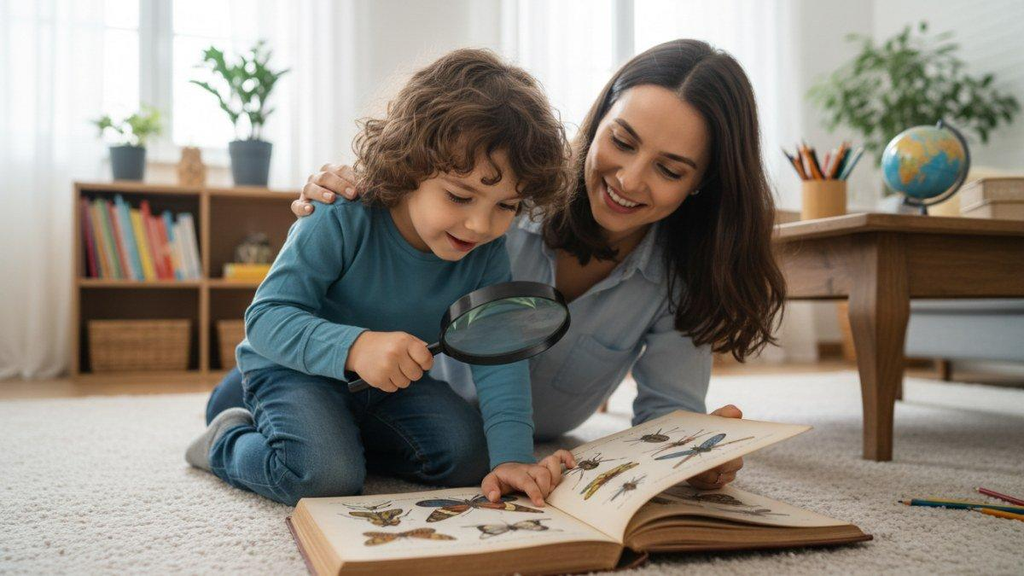
3. Picture Walks Develop Vocabulary and Oral Language
Illustrations provide a natural starting point for introducing new words.
A child might recognize that a character is walking through a forest but not know the word meadow, pathway, or footprints. You can use the pictures to introduce these words in context and talk about what they mean.
Picture walks also encourage children to describe what they see. Instead of answering every question for them, give them time to explain their observations in their own words.
You might ask, “What do you notice about the character?” or “Can you describe what’s happening in this picture?”
As children become more comfortable explaining their ideas, they get more opportunities to practice vocabulary, sentence formation, and spoken language.
4. Picture Walks Help Children Connect New Stories to What They Already Know
Children understand new information more easily when they can connect it to familiar experiences and ideas.
Suppose a book shows a character getting ready for school. Your child might recognize the backpack, lunchbox, or school bus and talk about their own morning routine.
These connections can help children make sense of unfamiliar events in a story. They can also provide useful background knowledge when a book introduces a new setting, activity, or topic.
If a story takes place somewhere your child hasn’t visited, the illustrations can prompt questions and discussion before reading begins.
5. Picture Walks Make Reading More Interactive
Some children are eager to listen to a story, while others need a little encouragement to participate. Picture walks give children a way to contribute before they have to read or listen to the full text.
They can point out funny details, ask questions, explain what they notice, and share their predictions. This makes reading feel more like a shared activity than a task where an adult does all the talking.
Picture walks can also help children who feel unsure about reading independently. They get to explore the book and build familiarity with its characters and setting before tackling the written words.
Picture walks are one way to help children prepare for a story and think actively about what they’re reading. Reading Rockets explains how picture walks help children activate prior knowledge and make predictions, offering a useful overview of the strategy and its role in reading comprehension.
How to Do a Picture Walk Step by Step
You don’t need special materials or a complicated lesson plan to try a picture walk. All you need is a picture book and a few minutes to explore it together.
Step 1: Start With the Cover
Before opening the book, take a moment to look at its cover.
Read the title together and examine the illustration. Ask your child what they think the book might be about and what clues they notice.
For example, if the cover shows a bear holding a fishing rod, your child might predict that the bear is going fishing or going on an adventure.
Try not to reveal the story’s main events immediately. Give your child a chance to come up with their own ideas.
Step 2: Explore the Illustrations
Slowly flip through some of the pages without reading the full text. Pause on illustrations that show important characters, settings, actions, or changes.
Invite your child to describe what they see. You might notice that a character’s expression changes between pages or that a new object appears in the background.
You don’t need to examine every detail or spend the same amount of time on each page. Focus on the illustrations that give your child useful clues about the story.
Step 3: Ask Questions and Make Predictions
As you explore the book, ask open-ended questions that encourage your child to explain their thinking.
For example:
- “What do you think is happening here?”
- “How do you think this character feels?”
- “What makes you think that?”
- “What do you think might happen next?”
- “Does this remind you of anything you’ve experienced?”
There isn’t always one obvious answer. Encourage your child to explain their ideas rather than focusing only on whether their predictions are correct.
Step 4: Read the Story Together
Once you’ve explored the illustrations, start reading the actual text.
As you read, connect the story to the predictions your child made. Did something happen the way they expected? Did the words provide information that wasn’t obvious from the pictures?
You don’t need to stop after every page to review every prediction. Let the story flow, and pause when a connection or question feels useful.
Step 5: Reflect on the Story
After reading, briefly discuss what happened and revisit any predictions your child made.
You could ask which part surprised them, whether they would change any of their original guesses, or which illustration helped them understand the story best.
This final conversation helps children connect their observations before reading with what they learned from the actual text.
Picture Walk Questions Parents Can Ask
If you’re unsure what to say during a picture walk, start with simple questions and build from there. You don’t need to ask every question on this list. Choose a few that fit the book and your child’s reading level.
Observation based questions
- What do you notice in this picture?
- Who do you see?
- Where do you think the story takes place?
- What details stand out to you?
Prediction based questions
- What do you think this book will be about?
- What might happen next?
- What do you think the character will do?
- Which clues helped you make that prediction?
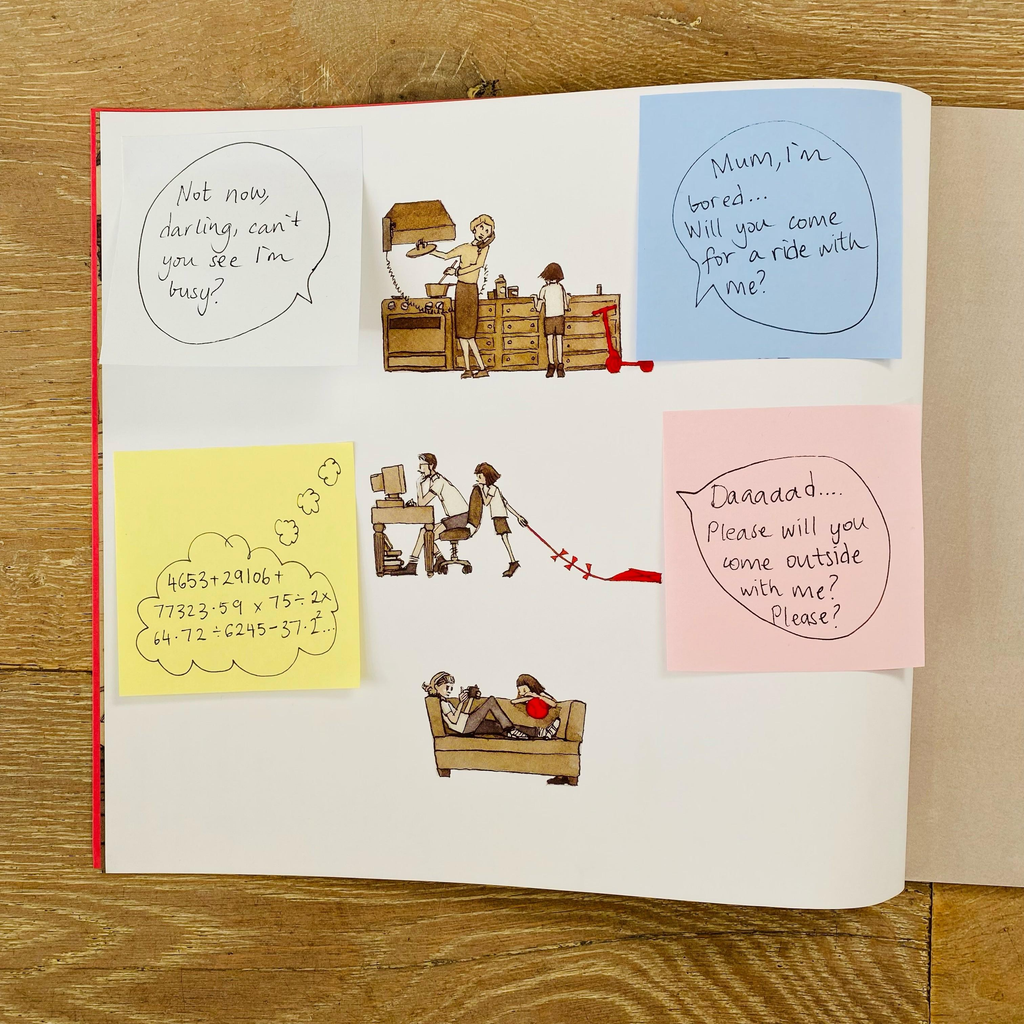
Characters + Emotions based questions
- How do you think this character feels?
- What makes you think they’re feeling that way?
- Why might the character be doing that?
- What do you think the character wants?
Personal experience related questions
- Have you ever done something similar?
- Does this place remind you of somewhere you’ve been?
- What would you do if you were this character?
For more ideas about supporting children as they read, see our guide on how to help kids with reading assignments.
How to Adapt Picture Walks for Different Reading Levels
Picture walks can work for children at different stages of reading development. The main difference is how much support you provide and how deeply you explore the illustrations.
For Beginning Readers
Keep the activity short and focus on familiar objects, characters, and actions. Ask simple questions such as “What do you see?” or “Where is the dog?”
You can model how to describe an illustration and introduce a few useful vocabulary words. Give your child plenty of time to respond, even if they answer with just a word or a short phrase.
The goal is to build confidence and help children feel comfortable talking about books.
For Developing Readers
Encourage children to make predictions and explain their reasoning. Ask them to look for clues in the illustrations and connect events across different pages.
For example, if a character is carrying an umbrella on one page and standing beside a puddle on another, ask your child what might have happened between those scenes.
This encourages them to think about cause and effect, character motivations, and the relationships between events.
For Older Children
Older readers can explore more complex questions about the story’s structure, themes, and visual details.
Ask them to consider why an illustrator chose to show a particular scene, what information the pictures reveal, or what questions they still have before reading.
You can also adapt the activity for nonfiction books. Preview photographs, diagrams, captions, and headings to help your child identify the topic and anticipate what they might learn.
The goal is to encourage thoughtful reading, not to turn every book into a long assignment.
Common Picture Walk Mistakes to Avoid
Picture walks work best when children have room to observe, think, and contribute. A few small adjustments can make the activity more enjoyable and useful.
Explaining everything before your child has a chance to think. It’s tempting to point out every detail, but try asking what your child notices first. Their observations may lead to interesting questions you hadn’t considered.
Treating predictions like right-or-wrong test answers. The purpose is to practice thinking about a story, not to guess every event correctly. Encourage children to explain their ideas and revise them when they learn something new.
Asking too many questions. A picture walk should feel like a conversation, not an interrogation. Choose a few questions that fit naturally with the illustrations, and allow time for your child to explore.
Spending so long previewing that you never read the story. Remember that the picture walk is preparation for reading, not a replacement for it. Keep the preview manageable and leave time to enjoy the book itself.
Using the same approach with every child. Some children love describing every detail, while others prefer a few short questions. Adjust the activity to suit your child’s interests, attention, and reading level.
Using Digital Books for Picture Walks
Picture walks don’t have to happen with printed books. Digital picture books can provide another way for children and parents to explore illustrations together.
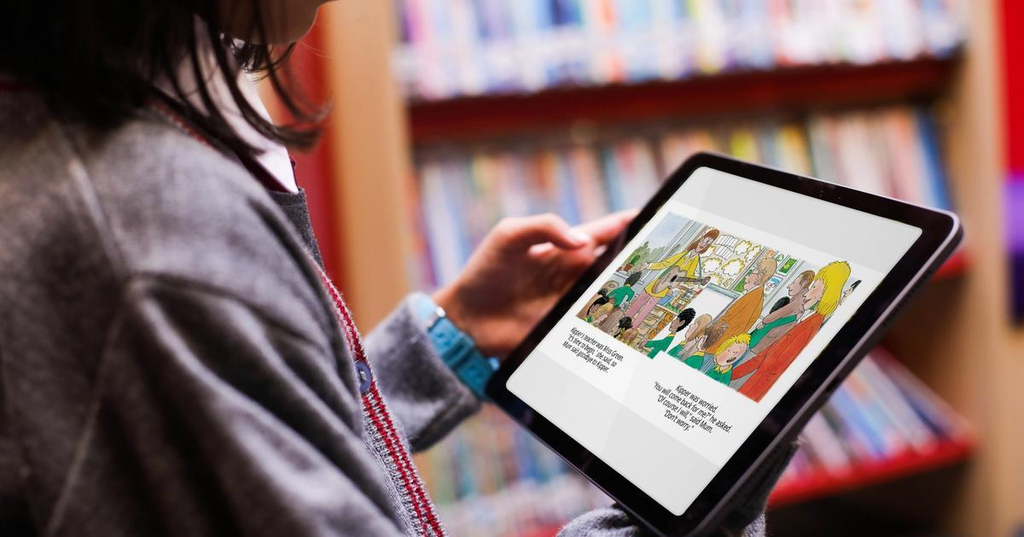
For example, you can use a digital reading platform such as Epic! to open an illustrated book, look through its pages, and talk about what your child notices before reading the text. Depending on the book and the available features, you may be able to explore the illustrations together on a tablet or computer.
The same basic steps still apply: look at the cover, notice details, make predictions, and then read the story together.
Digital books can be especially convenient when you want to explore a new topic or let your child choose from a range of stories. Just remember that the goal is still active reading and conversation, not simply flipping through pages as quickly as possible.
If your child enjoys different kinds of reading materials, our article on what counts as reading for kids explores how formats such as picture books, comics, graphic novels, and audiobooks can all fit into a child’s reading life.
Final Thoughts
Picture walks are a simple way to help children approach stories with curiosity. By taking a few minutes to explore illustrations, share observations, and make predictions, you can give your child an opportunity to think about a book before reading begins.
You don’t need to ask perfect questions or follow a strict routine. Start with the cover, look through a few illustrations, and let your child’s observations guide the conversation. As you read together, return to their ideas when it feels natural and see how the story compares with what they expected.
Over time, these small conversations can give children more opportunities to practice making predictions, explaining their ideas, and connecting details to the bigger picture. Most importantly, picture walks can make reading a more interactive experience that you and your child enjoy together.
Frequently Asked Questions (FAQ)
What is the purpose of a picture walk?
The purpose of a picture walk is to help children prepare for a story by exploring its illustrations before reading the text. This gives them opportunities to activate prior knowledge, make predictions, ask questions, and notice details that may help them understand the story.
When should you do a picture walk?
A picture walk usually takes place immediately before reading a book. You can also preview a new chapter or section of an informational book by examining its illustrations and other visual features before reading.
How long should a picture walk take?
A picture walk can take just a few minutes. The ideal length depends on the book, your child’s age, and their interest in discussing the illustrations. Keep it short enough that your child still has time and attention to enjoy the actual story.
Can you do a picture walk with a wordless picture book?
Yes! Wordless picture books are especially well suited to exploring illustrations and creating predictions. Since the story is told primarily or entirely through pictures, children can use visual clues to describe events, explain characters’ actions, and build their own narrative.
Do picture walks help with reading comprehension?
Picture walks can support reading comprehension by encouraging children to connect prior knowledge to a new story, make predictions, and think about visual clues. They work best as a supplement to reading, discussion, and other literacy activities rather than as a replacement for reading the text.