

It can be frustrating when you are trying to help kids remember what they read, but your child finishes a book and then cannot remember much about it. You may ask what happened in the story, who the main character was, or what they learned, only to get a blank stare.
If you are trying to figure out how to help kids remember what they read, the good news is that remembering is a skill children can develop with practice.
Sometimes kids need help slowing down and thinking about what they are reading instead of simply moving from one page to the next. Other times, the book may be too difficult, the topic may not interest them, or they may understand each sentence without putting the bigger picture together.
The goal is not to turn every reading session into a quiz. Instead, small conversations and simple strategies can help children pay attention to important information and make more connections while they read.
Why Do Kids Forget What They Read?
There are several reasons a child might struggle to remember a book.
Sometimes the reading itself takes so much effort that there is not much attention left for understanding the story. A child who is working hard to sound out words may finish a paragraph without really thinking about what those words mean.
Other children can read the words accurately but have trouble identifying which information matters most. They may remember one small detail while forgetting the main event or central idea.
Interest matters too. It is much easier to remember something when you are genuinely curious about it.
Even adults can read a page and realize afterward that they have no idea what they just read. Children experience the same thing, especially when they are tired, distracted, or reading something that feels difficult.
12 Ways to Help Kids Remember What They Read
So, what can you actually do to help your child remember more of what they read? The good news is that you do not need complicated activities or a bunch of extra worksheets. These simple strategies can be worked into everyday reading and conversations, whether your child is reading a story, a graphic novel, or a nonfiction book.

1. Ask Your Child to Retell What They Read
One of the simplest ways to help kids remember what they read is to have them retell the story or information in their own words.
You do not need to ask a long list of comprehension questions. Try something simple such as, “What happened?” or “Tell me about what you just read.”
For younger children, you might ask them to explain what happened at the beginning, middle, and end. Older children can explain the main problem, important events, and how the story ended.
Retelling gives children a reason to stop and organize what they remember instead of immediately moving on to the next page.
2. Stop and Talk About the Book
Children do not always need to wait until the end of a book to think about what they are reading.
Pause occasionally and ask a quick question about what just happened. You might ask, “Why did she do that?” or “What do you think will happen next?”
These small conversations encourage children to connect different parts of the story. They also give you an opportunity to notice when your child has misunderstood something.
Try not to interrupt every few sentences, though. Too many questions can make reading feel like an assignment instead of something enjoyable.
3. Help Kids Notice the Main Idea
One reason children forget what they read is that they try to remember everything.
That is not always possible, and it is not necessary.
Instead, help your child think about the most important part of what they just read. After a section of nonfiction, you might ask, “What is the most important thing we learned?”
For a story, ask, “What was the biggest thing that happened?”
Over time, children can become better at separating important information from smaller details.
4. Connect New Information to Something Your Child Already Knows
New information is often easier to remember when children can connect it to something familiar.
For example, if you are reading about penguins, your child might remember more if you talk about a penguin documentary they watched or a previous book about Antarctica.
Stories work the same way. A child might understand a character’s problem more easily if they have experienced something similar themselves.
Ask questions such as, “Does this remind you of anything?” or “Have you ever seen something like this before?”
These connections give children another way to organize and remember what they are reading.
5. Encourage Kids to Make Predictions
Before turning the page, ask your child what they think might happen next.
The prediction does not have to be correct. The important part is getting children to think about the story and use information they have already read.
When children make predictions, they are actively processing the story instead of simply looking at the words.
You can also return to the prediction later and ask, “Were you right? What actually happened?”
That comparison gives children another opportunity to think about the events in the book.
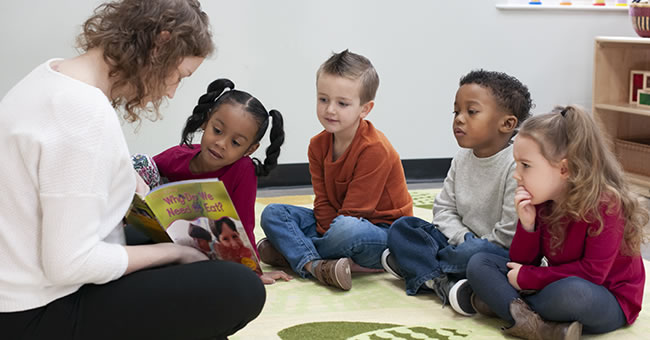
6. Talk About Characters and Their Choices
For fiction, characters can give children an easy way into deeper thinking.
Ask why a character made a particular choice, how they were feeling, or what they might do next. These questions encourage children to pay attention to character behavior and motivation.
You can also ask whether your child agrees with a character’s decision or would have done something differently.
The more children think about why things happen in a story, the easier it can become to remember those events later.
7. Use Pictures and Illustrations as Memory Clues
Pictures are not just decoration.
For younger readers especially, illustrations can provide important clues about characters, settings, emotions, and events.
After reading a page, ask your child what they notice in the picture. Sometimes an illustration will help them remember something they missed in the text.
This can be especially helpful for children who are still developing their reading skills.
8. Ask Kids to Explain What They Learned
Nonfiction books require a slightly different approach from stories.
Instead of asking your child to retell a plot, ask them to explain what they learned. You might say, “What is one thing you didn’t know before reading this book?”
You can also ask your child to teach the information back to you.
If they can explain how something works in their own words, that is a good sign that they are processing the information rather than simply recognizing the words on the page.
9. Use Short Reading Sessions When Necessary
Longer reading sessions are not always better.
A child who is tired or struggling may remember very little after reading for a long time. Shorter sessions can give them more opportunities to stop, think, and talk about what they have read.
This does not mean children should avoid challenging books. It simply means that the amount of reading should be realistic for the child and the situation.
If your child has trouble staying focused during reading, you can also try some of the strategies in our guide on How to Help Kids Stay Focused While Reading.
10. Let Kids Choose Some of Their Books
Interest can have a huge effect on attention.
A child who chooses a book about dinosaurs may pay much closer attention than they would to a book chosen for them about a completely unfamiliar topic.
Giving children some control over what they read can make it easier for them to become invested in the information or story.
You can still guide their choices by offering a few appropriate options. The goal is to give children a chance to discover what makes them want to keep reading.
11. Read the Book More Than Once
There is nothing wrong with rereading a favorite book.
The first reading may be about figuring out what happens. During a second reading, children may notice details they missed the first time.
Rereading can also help younger children become more familiar with vocabulary, characters, and story structure.
If your child wants to read the same book again and again, let them. Familiar books can provide valuable reading practice while also giving children the chance to notice something new.
12. Give Kids a Chance to Talk About What They Read
Reading does not have to end when the last page is finished.
Talk about the book while you are eating dinner, driving somewhere, or getting ready for bed. Ask what your child liked, what surprised them, or which part they remember best.
These conversations can help children revisit the information without feeling like they are taking a test.
How to Help Kids Remember What They Read Without Quizzing Them
Comprehension questions can be useful, but children do not need to answer a worksheet full of questions every time they finish a book.
In everyday reading, simple conversation can accomplish many of the same things.
Instead of asking ten questions in a row, try one or two that encourage your child to explain their thinking. “What was your favorite part?” can lead to a conversation about characters, events, vocabulary, or the main idea without making the experience feel like homework.
The goal is to encourage children to think about what they read, not to catch them forgetting something.
Helping Kids Remember What They Read in Nonfiction Books
Remembering information from nonfiction can be especially challenging because there may not be one continuous story.
Help your child look for headings, photographs, captions, diagrams, and repeated ideas. These features can show them which information the author considers important.
After reading a section, ask your child to share one or two things they learned. You can also encourage them to explain the topic to someone else.
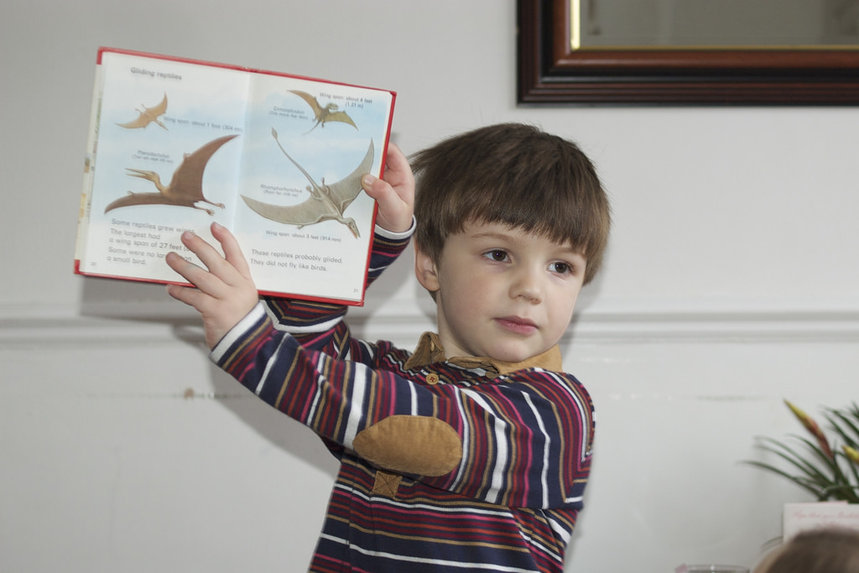
For children who love facts, this can become a fun part of reading. They may even enjoy finding new information specifically because they know they will get a chance to tell someone about it afterward.
What If My Child Can Read the Words but Does Not Remember the Story?
This is a common situation.
A child can become very focused on decoding individual words while losing track of what those words mean together. In that case, slowing down and talking about the story can help.
You can also check whether the book is too difficult. If a child is spending most of their energy figuring out unfamiliar words, remembering the overall story becomes much harder.
Reading aloud together can help too. It allows children to focus more of their attention on meaning, vocabulary, and the story itself.
If your child can read the words but often struggles to understand or remember what they mean, our guide My Child Can Read But Doesn’t Understand What They Read goes into this issue in more detail.
Let Kids Read in Different Ways
Reading does not always have to happen in exactly the same way.
Some children enjoy reading independently, while others benefit from reading with an adult. Audiobooks, digital books, read-alouds, and books with strong visual elements can all provide different ways to engage with a story or topic.
Digital libraries can also make it easier for children to explore subjects that interest them. Epic, for example, gives children access to a large collection of books across different subjects and reading levels, which can make it easier to find something that holds their attention.
Make Remembering Part of the Reading Experience
Children do not need to memorize every detail of every book they read.
What matters is gradually becoming better at understanding, connecting, and remembering the information that is important.
A quick conversation, a prediction, a retelling, or a connection to something your child already knows can all help.
Over time, these small habits can become part of the way children naturally approach books.

Final Thoughts
Learning how to help kids remember what they read does not require complicated activities or a stack of worksheets.
Often, the most useful strategies are simple. Ask your child to retell what happened. Talk about an interesting detail. Make a connection to something they already know. Let them explain what they learned.
Most importantly, give children opportunities to read things they actually find interesting. When a child is curious about a story or topic, paying attention and remembering what they read can become much easier.
The goal is not for children to remember every single sentence. It is to help them become active readers who understand what they are reading, think about it, and carry some of those ideas with them after the book is closed.
FAQ: Helping Kids Remember What They Read
Why Does My Child Forget What They Read?
Children may forget what they read because they are struggling with the words, reading something that is too difficult, losing focus, or having trouble identifying the most important information. Sometimes they understand individual sentences without connecting them into a bigger idea.
How Can I Help My Child Remember a Story?
Ask your child to retell the story in their own words. You can also talk about the characters, important events, the main problem, and what happened at the end. Keeping the conversation simple can make it feel less like a test.
Should I Ask Comprehension Questions After Reading?
You can, but you do not need to ask a long list of questions every time. One or two thoughtful questions can encourage children to think about what they read without making reading feel like another assignment.
For more ideas, see our guide to 25 Reading Comprehension Questions for Kids.
What If My Child Can Read but Cannot Explain What Happened?
Try slowing down and discussing the story as you read. Your child may be able to decode the words without fully processing their meaning. Reading aloud together can also give them more opportunity to focus on understanding the story.
Does Rereading Help Kids Remember What They Read?
Yes. Rereading gives children another opportunity to notice details, understand vocabulary, and make connections. It is perfectly fine for children to return to books they already know and enjoy.
How Can I Help My Child Remember Nonfiction?
After reading a section, ask your child to explain one or two things they learned. Encourage them to use headings, pictures, diagrams, and captions as clues. Teaching the information to someone else can also help reinforce what they learned.
Related Reading Resources
- My Child Can Read But Doesn’t Understand What They Read
- How to Help Kids Stay Focused While Reading
- 25 Reading Comprehension Questions for Kids
- How to Read Aloud to Kids: A Parent’s Guide to Making Storytime Fun
- How to Build a Reading Routine for Kids That Actually Sticks